Engineered High-Density Racking & Storage Inventory
Explore our heavy-duty industrial pallet racking systems. Each configuration is precision cold-rolled from high-tensile structural steel (Q235B / Q355B) and compliant with CE CPR No. 2435-CPR-8605159.
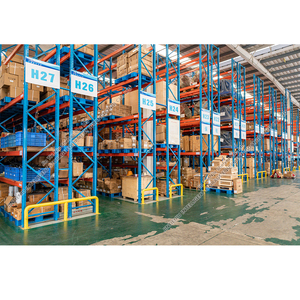 1000KG / Layer
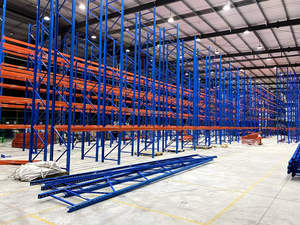 5-Layer Multi-Tier
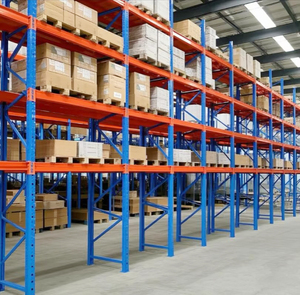 Standard Teardrop
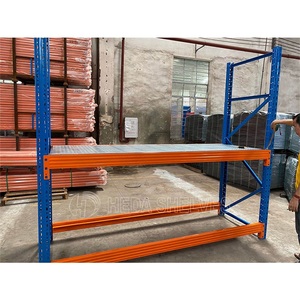 1500KG / Layer
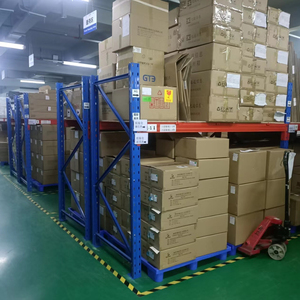 Selective 100%
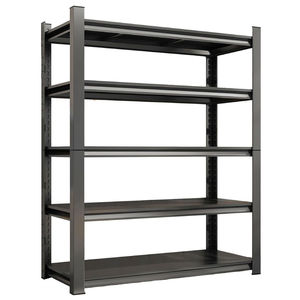 Logistics Core
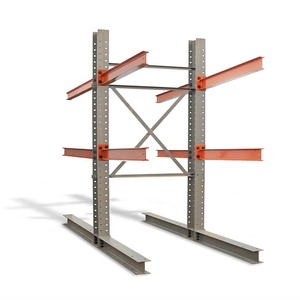 Motorised Dynamic
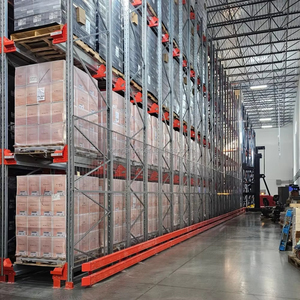 AS/RS Semi-Auto
Engineering Structural Integrity into High-Density Racking
In modern high-cube fulfillment centres and cold-storage operations, optimizing storage volume cannot come at the expense of structural dynamics. Discover how our cold-formed profiles, load deflection ratios, and structural beam connectors exceed baseline worldwide standards.
Engineering Benchmark: High-density racking systems experience intense dynamic stresses caused by continuous forklift maneuvers, shuttle braking moments, and seismic ground accelerations. HEDA Shelves utilizes cold-rolled Q235B and Q355B structural coil steel, engineered to achieve a maximum deflection threshold of L/200 under static design load (and L/300 for automated crane/shuttle corridors), fully harmonized with EN 15512, AS 4084:2023, and FEM 10.2.02 guidelines.
| Racking Topology | Volumetric Density | Selectivity Profile | Operating Principle | Standard Safe Working Load | Optimal Industry Application |
|---|---|---|---|---|---|
| Radio Shuttle System | Ultra-High (85–90%) | Lane-Dependent (Batch) | Automated FIFO / LIFO | 500 – 2,000 kg / pallet | Cold Storage, FMCG, Beverage, High-SKU Depth |
| Drive-In / Drive-Through | High (70–80%) | Low (Single SKU per lane) | LIFO (Drive-In) / FIFO | 1,000 – 1,500 kg / pallet | Freezer Warehouses, Raw Materials, Seasonal Bulk |
| Push-Back (Carts/Rollers) | High (65–75%) | Medium (1 SKU per lane) | Strict LIFO (Gravity Return) | 800 – 1,400 kg / pallet | Medium Turnover 3PL, Food Buffer Zones |
| Pallet Flow (Gravity Roller) | Ultra-High (80–85%) | Lane-Based FIFO | Pure Gravity FIFO | 500 – 1,500 kg / pallet | Perishables, Pharmaceuticals, High-Volume Dispatch |
| Double-Deep Selective | Moderate (55–60%) | 50% Direct Access | LIFO per pair | 1,000 – 2,500 kg / pallet | General Distribution, Industrial Components |
| Standard Selective | Baseline (35–45%) | 100% Immediate | Random Access FIFO/LIFO | 500 – 4,000 kg / beam level | Universal 3PL, Multi-SKU Retail, Spare Parts |
Omega Upright Section Geometry
Our upright frames feature a proprietary continuous multi-bend omega profile (up to 13 distinct folding facets). This geometry radically elevates the radius of gyration, counteracting torsional flexure and local elastic buckling under heavy concentrated column loads.
- 50mm & 75mm teardrop/diamond punch pitches
- Material thickness: 1.8mm to 2.5mm continuous roll-formed
- Engineered footplates for dual anchor M12/M16 embedment
Interlocking Connector Endplates
Beam connectors utilize 3-, 4-, or 5-claw high-ductility cast and forged connectors welded robotically to stepped and interlock box beams. Precision stamping ensures an interference fit that absorbs moment rotations under heavy load distribution.
- Spring-steel safety lock pins prevent accidental dislodgement
- Interlocking box beams resist lateral buckling forces
- Dynamic structural moment calculation per EN 15512
Surface Chemical Conversion & Coating
To withstand abrasive warehouse environments and temperature swings in cold storage (-30°C to +40°C), all cold-formed parts undergo a 10-step pre-treatment including spray degreasing, ultrasonic rust removal, and zinc phosphating prior to powder application.
- Thermoset pure polyester/epoxy-polyester resin powder
- Standard 60–90 µm coating thickness, 500hr salt spray test
- Optional ISO 1461 hot-dip galvanising for open sheds/docks
Guangzhou Heda Shelves Co., Ltd. Factory Authority
Founded in 2001, Guangzhou Heda Shelves Co., Ltd. has grown from an industrial shelving pioneer into an international heavy-duty racking powerhouse. Operating across an advanced 30,000 square meter intelligent manufacturing base staffed by over 300 skilled specialists, our monthly production capability consistently reaches 30,000 metric tons of structural and cold-formed storage systems.
We serve as an engineering-led production bridge for multinational warehouse operators, 3PL logistics networks, cold-chain operators, and local equipment dealers. Our team delivers complete end-to-end support: from site survey review and automated 3D layout simulation to calculation packets ready for local municipal engineer sign-off.
Direct Engineering Support & Turnkey Delivery
Procuring offshore heavy-duty storage racking requires meticulous technical oversight and risk mitigation. HEDA Shelves removes project risk by pairing factory direct pricing with professional mechanical, civil, and logistics engineering capabilities:
-
Free 3D CAD & BIM Structural Modeling: We calculate optimum aisle clear distances, turning radiuses for reach/counterbalanced trucks, and flue clearances within 24 hours of receiving your floor plan.
-
Regional Standards Engineering: Frame configurations are mathematically optimized against Australian standard AS 4084 and New Zealand seismic specification NZS 1170.5, complete with member stress calculations.
-
Complete Customs & Tariff Packs: Accurate HS classification (7308.90), Certificates of Origin (ChAFTA, RCEP), and comprehensive packing lists with numbered bundles ensure zero clearance hold-ups.
Strategic Trends Driving High-Density Racking Development
The warehousing landscape is shifting rapidly toward automated, dense, and sustainable paradigms. Understanding these technological advancements is essential for warehouse owners aiming to future-proof their capital investments.
4-Way Shuttle & AS/RS Hybrid Integration
Static drive-in racking is increasingly replaced by 4-way radio shuttle AS/RS platforms. By employing autonomous low-profile shuttles that navigate lateral rails and vertical lifters, facilities achieve up to 90% floor-to-ceiling volumetric usage with zero forklift lane traffic, eliminating human collision damage.
High-Yield Ultra-Thin Cold-Rolled Steels
Advancements in micro-alloyed metallurgy permit using thinner, ultra-high-yield steels (e.g., Q355B and automotive-grade high-strength strip). This shift lowers dead-weight structural load by up to 14% without compromising deflection resistance, mitigating freight overhead and embodied carbon metrics.
Embedded IoT & Structural Health Telemetry
Next-generation high-density uprights are integrating strain-gauge sensors and fiber-optic telemetry directly into frame columns. Real-time stress, fork strike impact alerts, and continuous tilt monitoring connect directly to Warehouse Management Systems (WMS) for predictive maintenance.
Nonlinear Dynamic Seismic Modeling
As logistics facilities expand near tectonic fault systems (e.g., New Zealand, Pacific Rim, Japan, California), pallet racking calculations are moving from equivalent static force methods to non-linear dynamic time-history simulation, requiring heavy-duty ductile baseplates and continuous diagonal spine bracing.
Zero-VOC Powder Coatings & Circularity
Supply chain sustainability audits now demand environmental product declarations (EPD) for warehouse steelwork. Eco-friendly thermo-cured powder systems that emit zero Volatile Organic Compounds (VOCs) and closed-loop scrap steel recycling are becoming mandatory in tier-1 international procurement tenders.
Modular Rack-Supported Mezzanine Hybrids
Industrial land scarcity has spurred the rise of hybrid rack-supported structures. By using standard heavy-duty upright frames to concurrently support pallet bays on the lower tier and suspended multi-tier steel decking floors above, warehouses multiply picking faces without increasing building footings.
Global Sourcing Dynamics: Transitioning from Resellers to Direct Tier-1 Fabricators
Purchasing enterprise warehouse racking systems has moved away from speculative third-party catalog sourcing toward direct technical engagement with tier-1 accredited manufacturers.
Total Landed Cost Modeling
Sophisticated logistics directors evaluate racking procurement beyond ex-factory unit price. Freight container stowage optimization, high-cube nesting upright bundles, and standardized knocked-down frames drastically reduce shipping volume, delivering 18–25% savings in net landed cost per pallet position.
Verification of Traceable Metallurgy
Global safety mandates now require mill test certificates (MTC) confirming chemical composition (Carbon, Manganese, Silicon limits) and mechanical tensile yield strengths for every production batch. Sourcing direct from CE/ISO manufacturers eliminates the risk of brittle, unverified steel entering busy distribution hubs.
Decoupling Intermediate Markups
By interfacing directly with HEDA Shelves' dedicated engineering office, international clients bypass 30–50% distributor markups while gaining direct access to custom bay spans, specialized column protector dies, and custom brand-matched powder coat finishes without extended lead times.
High-Density Pallet Racking Procurement FAQ
Essential engineering, compliance, and logistics questions answered by HEDA Shelves' technical director.
How do CE certification and EN 15512 standards affect pallet racking structural compliance?
Can your high-density systems be engineered to comply with AS 4084 (Australia) and NZS 1170.5 (New Zealand)?
What is the primary difference in throughput and density between Drive-In and Radio Shuttle systems?
How do you handle biosecurity and timber packaging regulations for international customs clearance?
What technical data must buyers supply to receive an engineered 3D CAD warehouse layout?
- Architectural Floor Plan: Building footprint indicating column locations, fire exits, and dock door coordinates.
- Clear Height Metrics: Height under the lowest overhead obstruction (lighting, truss girders, or sprinkler lines).
- Pallet Specifications: Width × Depth × Height including goods overhang, along with minimum and maximum pallet weights.
- Material Handling Fleet: Forklift make, model, mast collapsed/extended height, and minimum right-angle stacking aisle turning width.
- Stock Characteristics: Total SKU count, required stock rotation (FIFO vs LIFO), and local seismic design criteria.
What is your quality protocol for steel beam-to-column welded connections?
Ready to Maximize Your Warehouse Storage Capacity?
Connect directly with Guangzhou Heda Shelves' senior racking engineers. Send your warehouse floor plan today to receive a complete 3D layout simulation, structural load capacity calculations, and factory-direct pricing within 24 hours.