Blog
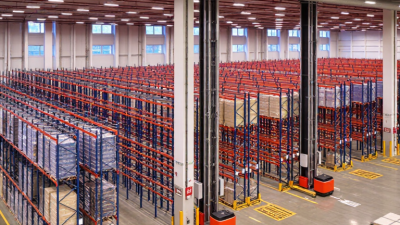
2026 Best Pallet Racking Systems for Global Warehouses?
Global warehouses are entering a more demanding operating cycle. E-commerce volume, labor shortages, and volatile inventory are reshaping storage decisions. Pallet Racking remains central because it converts vertical space into accessible inventory capacity.
MHI’s 2024 Annual Industry Report found that 55% of supply chain professionals expect major operational change within the next one or two years. The same report highlights growing investment in automation, analytics, and connected equipment. Gartner has also reported that many supply chain leaders are increasing technology budgets to improve resilience and visibility. These findings matter for rack selection. A narrow-aisle system may increase storage density, while selective racking can protect fast access and simpler operations. Automated storage may reduce travel, but it demands cleaner data, disciplined maintenance, and stronger technical support.
There is no universal answer.
John Paxton, former President and CEO of MHI, stated, “The supply chain is the backbone of our economy.” His point extends beyond transportation. A rack layout affects replenishment speed, forklift traffic, worker exposure, and future expansion. This 2026 guide compares selective, drive-in, push-back, pallet flow, cantilever, and automated Pallet Racking systems for global warehouses. It considers capacity, aisle width, climate, seismic exposure, installation quality, and total ownership cost. Standards and local engineering requirements still need professional verification. A cheaper frame can become expensive after repairs, delays, or poor slotting.
Some assumptions remain imperfect. Demand forecasts change. Facility drawings can hide real workflow problems. The best system is therefore not the densest one. It is the safest, most adaptable design for the inventory actually moving through the building.
Read more »
 By:Liam
- October 15, 2026
Why Choose Pallet Rack Systems for Global Warehouses?
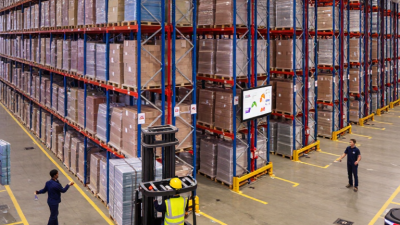
Why Choose Pallet Rack Systems for Global Warehouses?
Global warehouses face growing pressure from fragmented supply chains, labor shortages, and faster customer expectations. MHI’s 2024 Annual Industry Report identifies resilience, workforce challenges, and technology adoption as major supply chain priorities. Pallet Rack Systems address these pressures by using vertical space more effectively. They can increase storage density without expanding the building footprint. That matters when industrial rents remain high in major logistics markets. A properly planned rack aisle can also create clearer travel paths for forklifts, pickers, and automated equipment.
DHL’s 2024 Logistics Trend Radar highlights robotics, artificial intelligence, and sustainable operations as important logistics developments. Pallet Rack Systems can support these developments when their dimensions match pallet sizes, handling equipment, and warehouse software. Selective racks offer direct access to each pallet. Drive-in racks improve density but reduce selectivity. Push-back systems balance both needs. The right choice depends on product turnover, load weight, fire protection, seismic conditions, and local engineering requirements. There is no universal layout.
That assumption needs testing.
Experienced warehouse designers normally begin with inventory data, not attractive rack photographs. They measure SKU velocity, pallet height, aisle clearance, and future growth. A small error can create damaged goods, blocked travel routes, or wasted cubic capacity. Regular inspections and documented maintenance also protect long-term reliability. The Rack Manufacturers Institute and regional safety authorities provide useful guidance, but site-specific approval remains essential. Pallet Rack Systems are valuable because they combine structure, access, and adaptability. However, their performance depends on disciplined design, installation, training, and continuous review.
Read more »
 By:Elowen
- October 15, 2026
Why Choose a Pallet Storage Racking System?
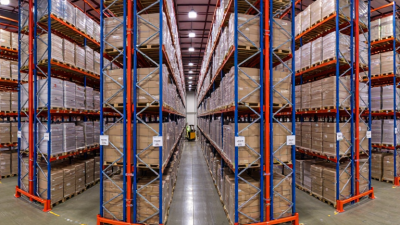
A Pallet Storage Racking System gives warehouses a disciplined way to use vertical space, protect inventory, and improve pallet access. Instead of spreading goods across the floor, operators can create clear storage levels above each other. A 48-by-40-inch pallet may occupy a defined bay, while forklifts move through planned aisles with fewer obstructions.
The value is practical.
Warehouse consultant and operations expert Taiichi Ohno stated, “Without standards, there can be no improvement.” This principle applies directly to pallet storage. Rack height, beam capacity, pallet condition, aisle width, and loading procedures should follow documented standards. A reliable system also needs visible load notices, stable floor anchoring, proper pallet placement, and scheduled inspections. Small details matter. A damaged beam can affect an entire bay.
Experience shows that the cheapest layout is not always the safest or most efficient. A narrow aisle may increase storage density, yet it can reduce maneuvering room for certain forklifts. A taller rack may create more capacity, but it can demand stronger equipment, better training, and stricter inspection routines. These trade-offs deserve honest evaluation.
No system is perfect.
A strong Pallet Storage Racking System should match the building, pallet dimensions, product weight, handling equipment, and daily workflow. It should also leave room for change. Inventory profiles shift, and rushed expansions often create weak points. Careful planning, competent installation, and regular review help turn storage racks into a dependable operational asset rather than simply a steel structure.
Read more »
By:Elowen
- October 15, 2026