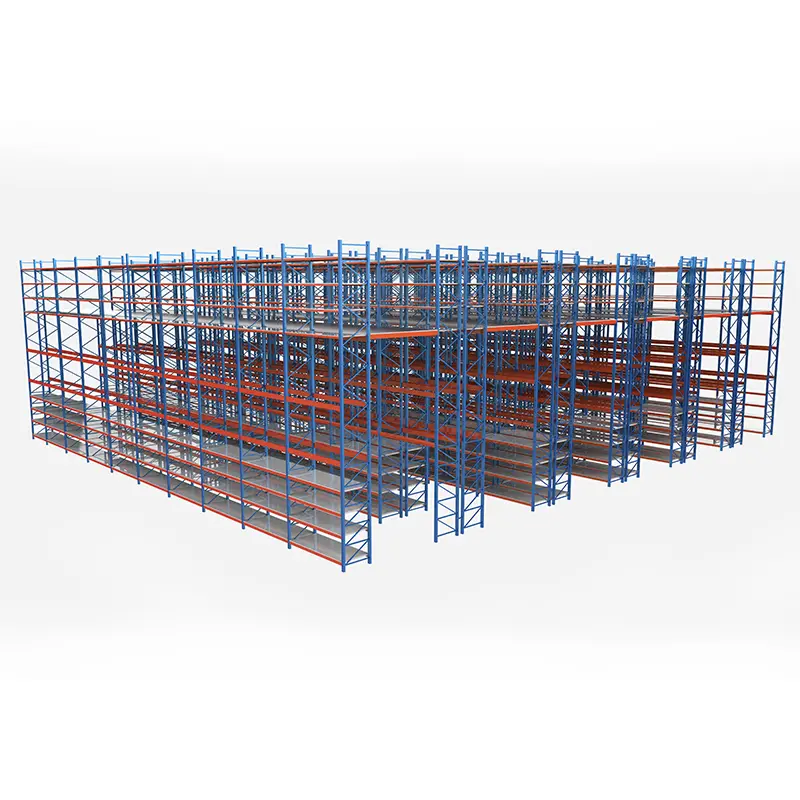
Maximize Pallet Positions with Precision 3D CAD Modeling
Tailored around standard Australian 1165 × 1165 mm pallets, Euro pallets, and regional seismic criteria.
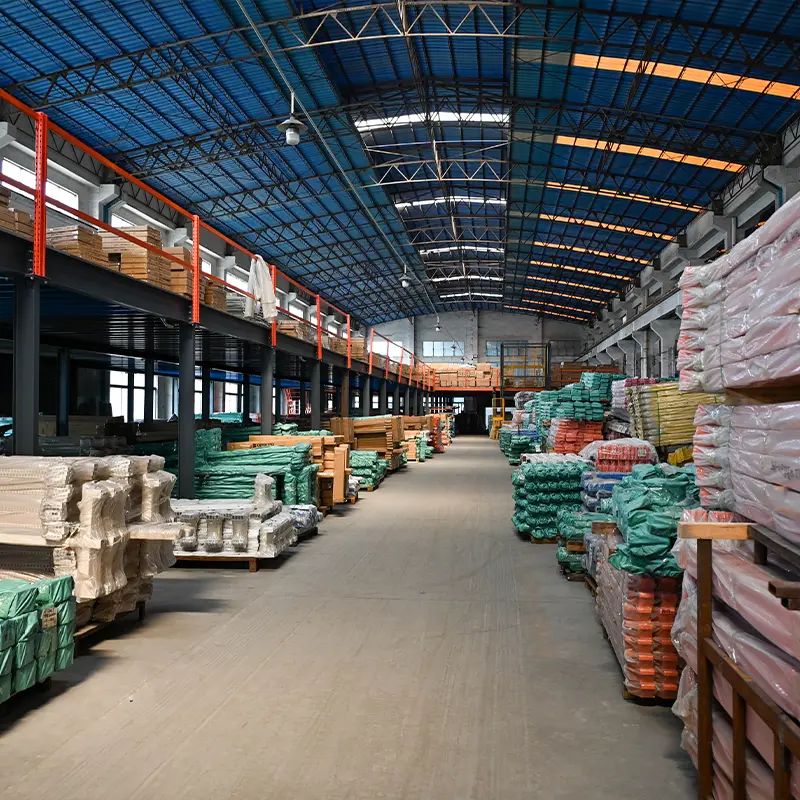
30,000 Tons Monthly Output: Rigorous In-House Testing
From computerized profile roll-forming to automated electrostatic coating, every batch meets global standards.
- 100% SKU SelectivityInstant access to every pallet face
- AS 4084 & EN 15512Full structural calculation packs
- Up to 4,500 kg / LevelCold-rolled box beam strength
- Zero-Demurrage ExportingISPM-15 & steel stillage packaging
Selective Pallet Racking: The Foundational Pillar of Industrial Warehousing
Selective pallet racking remains the world’s most versatile, ubiquitous, and economically proven warehouse storage structure. Unlike compact or high-density accumulation systems that force First-In, Last-Out (FILO) retrieval protocols, selective racking delivers unrestricted 100% immediate access to every pallet position. For high-velocity distribution centers, third-party logistics (3PL) providers, pharmaceuticals, and manufacturing buffer stores handling varied Stock Keeping Units (SKUs), selective systems eliminate unnecessary pallet double-handling, minimize product damage, and support rapid inventory turnaround.
Manufactured by Guangzhou Heda Shelves Co., Ltd., our heavy-duty selective racking architectures are engineered from certified Q235B and high-yield Q355B structural steel coils. Each upright frame features continuous multi-bend omega profiles roll-formed in precision cold-rolling lines, distributing vertical compressive loads and dynamic horizontal stresses with superior structural stability. Whether utilizing standard counterbalanced forklifts, narrow-aisle reach trucks, or automated wire-guided turret machines (VNA), our configurations match warehouse ceiling profiles and pallet specifications precisely.
| Configuration Type | Typical Aisle Width (AST) | Selectivity | Floor Space Efficiency | Compatible Forklift Fleets | Recommended Application |
|---|---|---|---|---|---|
| Wide Aisle (Standard Selective) | 3,200 mm – 3,800 mm | 100% Direct | 40% – 45% footprint | Counterbalanced, Standard Reach Trucks | General warehousing, fast-moving retail, diverse multi-SKU hubs |
| Narrow Aisle (Reach Truck Optimized) | 2,600 mm – 2,900 mm | 100% Direct | 50% – 58% footprint | Reach Trucks, Articulated Forklifts | Distribution centers balancing density and rapid single-pallet access |
| Very Narrow Aisle (VNA) | 1,600 mm – 1,900 mm | 100% Direct | 65% – 72% footprint | VNA Turret Trucks, Wire/Rail-Guided Cranes | High clear-height automated facilities (up to 16m+), expensive real estate |
| Double-Deep Selective | 3,000 mm – 3,400 mm | 50% Direct (FILO) | 60% – 65% footprint | Pantograph / Deep-Reach Forklifts | Bulk storage with 2 to 4 pallets per SKU, cold storage staging |
Omega-Profile Upright Columns
Cold-formed with 11 to 13 load-distributing bends, with standard pitches at 50mm, 75mm, or 76.2mm (3 inches) for flexible vertical beam level adjustments. Manufactured in column depths from 800mm to 1200mm, with steel wall thicknesses spanning 1.8mm to 2.5mm.
Interlocking Step & Box Beams
Roll-formed continuous closed twin C-sections or step profiles joined via automated robotic seam welding. Features 3-claw or 4-claw connectors with integral spring steel safety locking pins to eliminate beam displacement during aggressive forklift operations.
Protective Hardware Suite
Includes heavy-gauge steel upright column guards, wrap-around post protectors, bull-nose end-of-aisle barriers, wire mesh drop-over decking, pallet backstops, and flanged pallet support bars engineered for irregular or undersized pallet bases.
Future Procurement & Product Development Trends (2026–2030)
Global warehouse procurement is experiencing an unprecedented structural pivot driven by automation integration, rising land lease costs, corporate carbon compliance, and AI-assisted supply chain logistics. Procurement directors are no longer buying static steel; they are investing in adaptive, compliant, and scalable physical architectures.
1. Hybridization with Automated Mobile Robots (AMRs) and Automated Guided Vehicles (AGVs)
Traditional static selective pallet racking is evolving rapidly into robotic-collaborative structures. Emerging procurement tenders mandate racking basements engineered with wider bottom clearances, integrated LiDAR reflective targets, and millimeter-level floor anchor tolerances to facilitate simultaneous operations between manual counterbalanced trucks and autonomous floor-level pallet movers. Forward-thinking operations choose selective racking layouts that can convert seamlessly into Automated Storage and Retrieval Systems (ASRS) or shuttle racking without tearing down base structural uprights.
2. High-Strength Low-Alloy (HSLA) Steels and Embodied Carbon Standards
With environmental reporting frameworks such as CBAM (Carbon Border Adjustment Mechanism) gaining traction across Europe and Australasia, warehouse developers demand higher weight-to-load structural efficiency. Guangzhou Heda Shelves Co., Ltd. is leading this transition by leveraging high-yield Q355B micro-alloyed cold-rolled steel. This enables thinner profile gauges that preserve structural deflection safety margins (L/200) while reducing total steel consumption by 12% to 18%, significantly slashing ocean shipping freight mass and downstream carbon liabilities.
3. Digital Twin Modeling & Real-Time Deflection Sensing
The next generation of high-bay selective pallet racking systems incorporates structural monitoring readiness. Procurement specifications increasingly require beam designs capable of housing strain gauges, digital load signage, and RFID-tagged pallet position sensors. These sensors feed real-time structural health data into warehouse Warehouse Management Systems (WMS), alerting facility directors to over-capacity loading, uneven weight distribution, or forklift impact shock before plastic deformation occurs.
4. Direct-to-Factory Engineering Procurement Models
To mitigate the volatile margins of local brokers and avoid communication delays, multinational logistics providers and retail enterprises are procuring racking directly from experienced manufacturers. Guangzhou Heda Shelves Co., Ltd. supports this procurement shift by delivering complete localized engineering submittal packs—including full finite element analysis (FEA) reports, 3D Building Information Modeling (BIM) files, anchor pull-out test data, and localized regulatory calculations—enabling smooth sign-off by local structural engineers.
Structural Safety, Seismic Calculations & AS 4084 / EN 15512 Standards
Racking failures carry catastrophic operational, commercial, and human costs. For industrial purchasers, adhering strictly to global structural design standards is non-negotiable. At Guangzhou Heda Shelves Co., Ltd., our engineering department designs selective pallet racking systems based on rigorous international standards, including AS 4084 (Steel storage racking), EN 15512 (European steel static storage systems), and RMI ANSI MH16.1 (Specification for the Design, Testing and Utilization of Industrial Steel Storage Racks).
In seismic zones like New Zealand (governed by NZS 1170.5), Papua New Guinea, and seismically active regions across the Pacific, selective pallet racking must resist dynamic overturning moments, torsional shear, and floor displacement accelerations. We customize upright baseplates, heavy-gauge floor gussets, enlarged concrete chemical expansion anchor patterns, and cross-bay bracing towers to withstand site-specific spectral acceleration factors (Z values). Load charts and rack safety signage are customized to detail maximum allowable unit loads per beam pair and frame bay capacity under varying beam-level spacing configurations.
25 Years of Factory-Direct Racking Excellence
Founded in 2001, Guangzhou Heda Shelves Co., Ltd. is a premier Chinese manufacturer of heavy-duty pallet racking, industrial shelving, and warehouse mezzanine systems. Operating a modern 30,000 square meter specialized manufacturing facility equipped with advanced automated roll-forming mills, high-precision laser profiling equipment, and robotic welding stations, our team of over 300 experienced engineers, technicians, and logistics specialists delivers exceptional storage solutions globally.
With an active monthly output surpassing 30,000 tons of structural steel storage equipment, we provide comprehensive OEM and ODM support for warehouse operations, logistics distributors, and racking installation contractors throughout Australia, New Zealand, the Pacific Islands, Southeast Asia, Europe, and the Americas.
- 10,000+ Completed ProjectsWorldwide warehouse installations successfully delivered
- 30,000 Tons Monthly CapacityMassive steel processing scale ensuring dependable delivery schedules
- Free 3D CAD / BIM LayoutsTurnaround within 24 hours tailored to your operational specifications
- Direct Export ComplianceISPM-15 dunnage and steel stillages clearing strict biosecurity checks
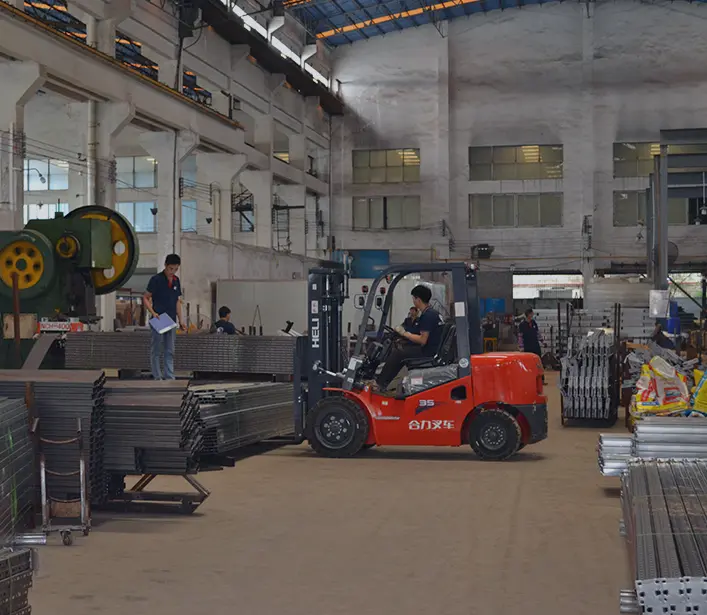 Inside our 30,000 m² heavy-duty racking plant

- 2001Year Founded
- 0+R&D & Engineering Staff
- 0tMonthly Steel Capacity
- 0m²Advanced Factory Space
The 10-Stage Precision Manufacturing Workflow
Every upright, beam, and connector pin produced by Guangzhou Heda Shelves Co., Ltd. passes through a rigorous quality assurance protocol ensuring unmatched structural reliability.
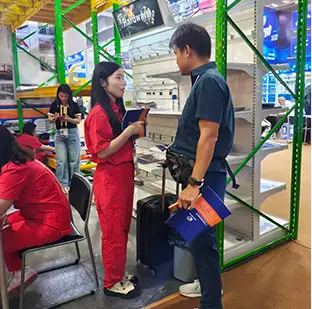
Data Intake
Analyzing pallet sizes, rack clear heights, forklift models, and seismic requirements.
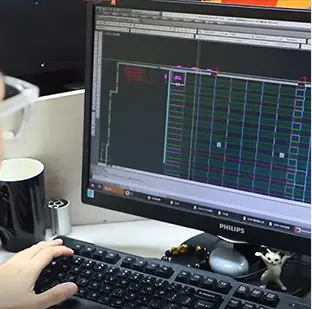
Structural CAD/FEA
Detailed finite element stress analysis, 3D layouts, and AS 4084 load calculations.
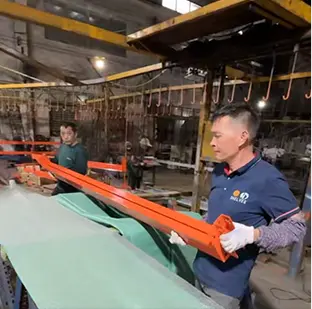
Precision Forming
Automated punch lines, continuous roll forming, and robotic seam welding.
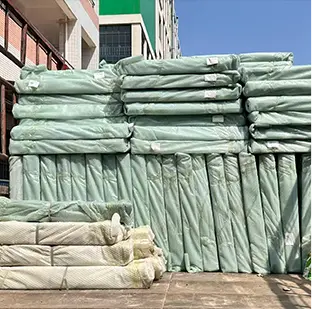
Stillage Shipping
Steel bundled crates, ISPM-15 dunnage, labeled parts, and installation blueprints.
Certified In-House Production Process
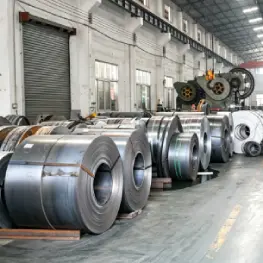
Raw Steel Spectral Test
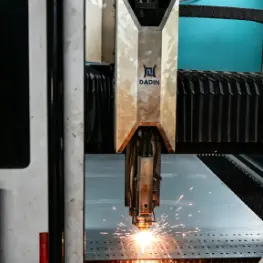
Precision CNC Slitting
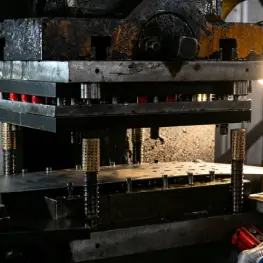
Continuous Pitch Punching
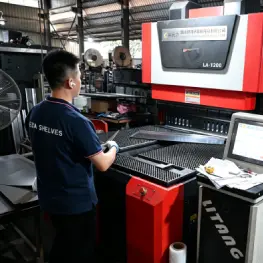
Multi-Stage Cold Bending
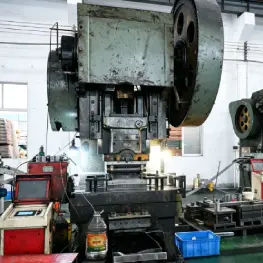
Continuous Roll Forming
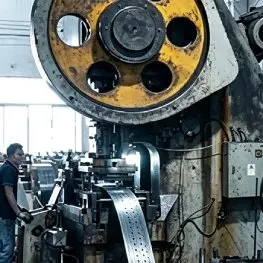
Surface Deburring & Polish
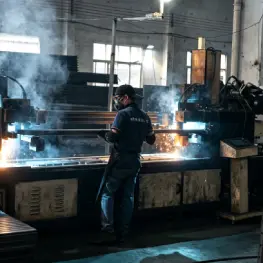
Robotic Seam Welding
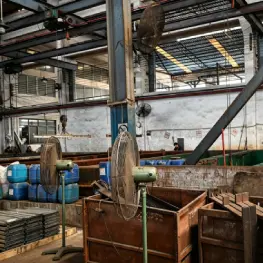
Pickling & Phosphating
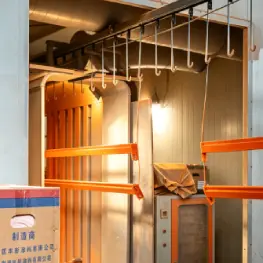
Electrostatic Powder Cure
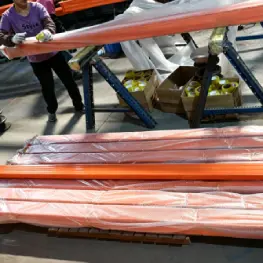
Load Testing & Packing
Certifications Global Procurement Teams Can Audit
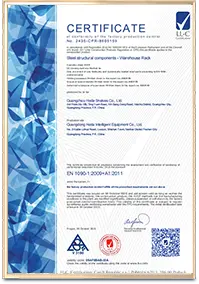
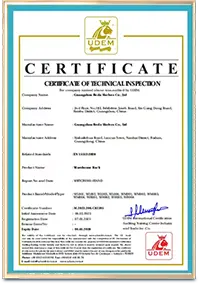
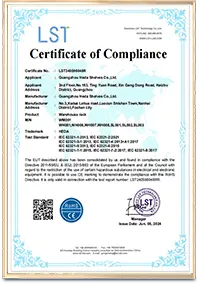
Guangzhou Heda Shelves Co., Ltd. enforces transparent quality credentials. Our raw steels, robotic welds, and structural designs are independently validated to ensure zero friction during local building and work-safety sign-offs.
- CE Certified Structural SteelworkCertificate Reference: 2435-CPR-8605159
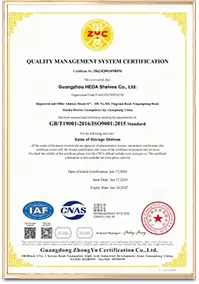
- ISO 9001:2015 Quality Management SystemRegistration No. 18624Q00169R0M
- Environmental & Safety ComplianceRoHS compliant powder coating materials, heavy metal free


Worldwide Selective Racking Deployments
Real installations demonstrating our engineering capabilities in heavy industrial storage, high-bay retail buffers, and multi-tier logistics hubs.
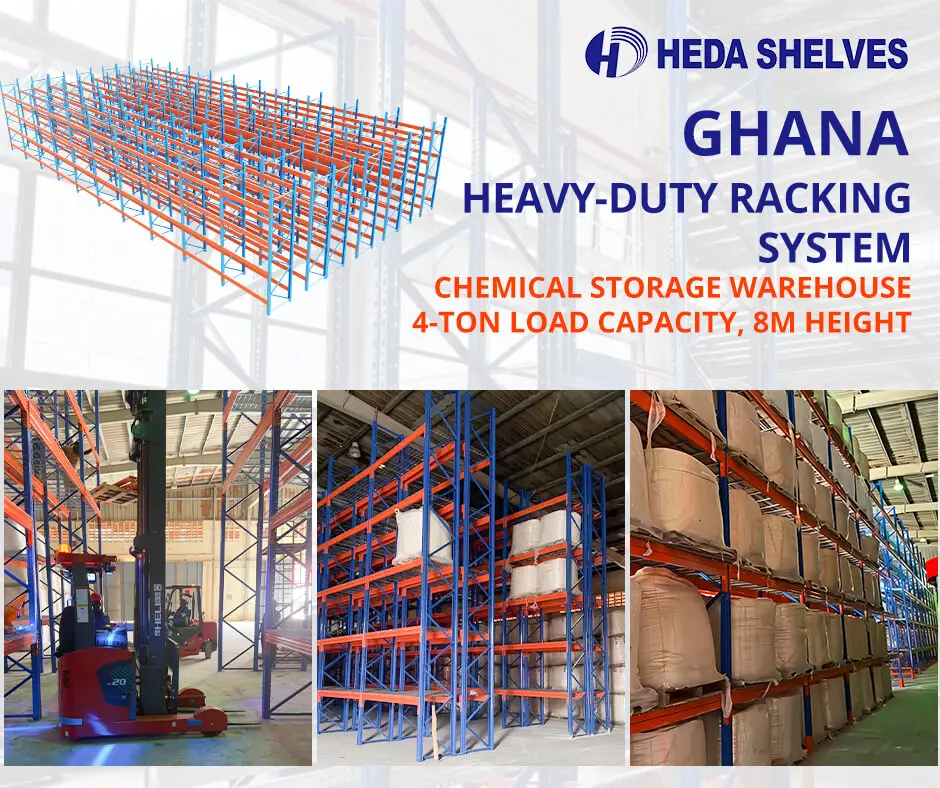
Heavy Duty Drum & IBC Selective Racking
Reinforced beam levels engineered for corrosive liquid containment, high localized load capacity, and complete AS 1940 compliance.
Review Technical Study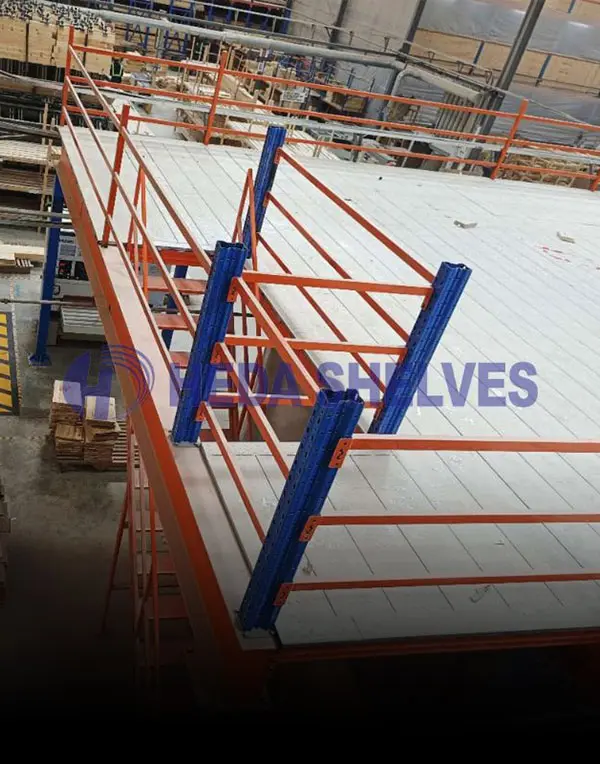
Rack-Supported High-Density Picking Complex
Integrated selective pallet storage beneath with structural catwalk mezzanine levels above, doubling picking productivity.
Review Technical Study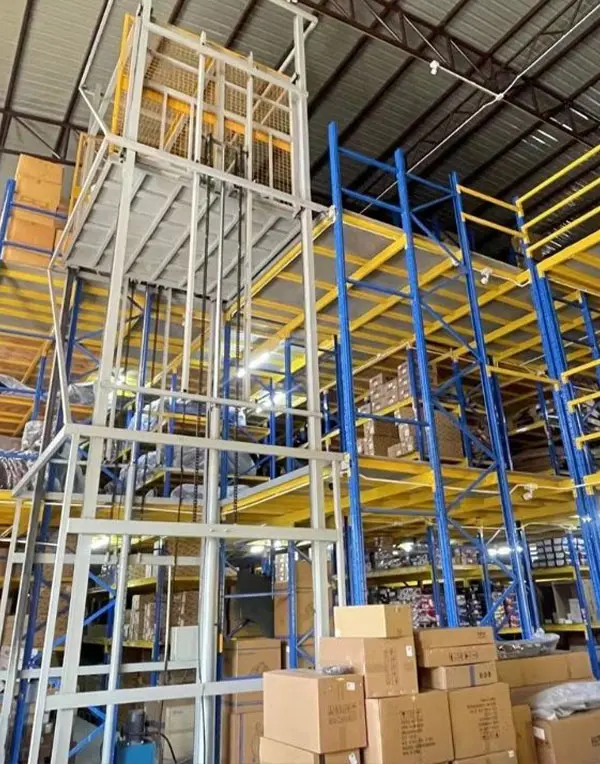
High-Bay Selective Racking for Automotive Distribution
Configured with heavy drop-over wire decking, column guards, and load tables matching varied automotive SKU weights.
Review Technical StudyTrusted by global industrial brands, 3PL giants, and supply chain distributors





Selective Pallet Racking: Frequently Asked Questions
Comprehensive engineering, regulatory, and procurement insights answering questions global warehouse managers, logistics directors, and structural certifiers ask most.
Send an Inquiry
What structural criteria determine beam deflection limits in selective pallet racking?
Beam deflection limits are strictly governed by international building codes including AS 4084 and EN 15512. Under design Uniformly Distributed Load (UDL), the maximum permitted vertical elastic deflection for a horizontal beam must not exceed L/200, where L represents the clear span of the beam between upright column faces. For instance, on a common 2,700 mm beam pair holding two standard 1,000 kg pallets, the mid-span vertical sag must not exceed 13.5 mm. Exceeding this threshold induces dynamic eccentric loads on column connections, compromises the safety pin locking action, and impairs forklift operator sightlines.
How does selective pallet racking balance storage density against SKU accessibility compared to drive-in and shuttle systems?
Selective pallet racking offers 100% direct access to every pallet face, eliminating the honeycombing effect common in high-density systems. While drive-in or radio shuttle systems increase floor storage density to 70–80% by consolidating forklift access aisles, they enforce LIFO (or batch FIFO) stock rotations, increasing double-handling for diverse inventories. Selective racking requires roughly 35–40% floor footprint utilization for goods, but it accommodates standard counterbalance and reach trucks, carries lower upfront capital cost per pallet position, and delivers peak picking agility across thousands of unique SKUs.
Can Guangzhou Heda Shelves Co., Ltd. design selective racking systems compliant with AS 4084 and NZS 1170.5 seismic regulations?
Yes. Guangzhou Heda Shelves Co., Ltd. routinely manufactures selective racking engineered around AS 4084 (Steel storage racking) principles and the seismic parameters of NZS 1170.5 (Structural design actions - Earthquake actions - New Zealand). Our engineering department supplies complete calculation packs, upright column section properties, moment connection test curves, anchor shear and pullout values, and 3D CAD blueprints. This documentation allows third-party chartered professional engineers (CPEng) in Australia and New Zealand to verify and sign off on site-specific Producer Statements (PS1) with confidence.
What are the essential packaging protocols to ensure quarantine compliance for Australian DAFF and New Zealand MPI?
Biosecurity non-compliance leads to expensive fumigation delays and port demurrage. Guangzhou Heda Shelves Co., Ltd. bundles structural uprights, beams, and accessories on welded heavy-gauge steel transport stillages or certified heat-treated timber dunnage that is clearly stenciled with the ISPM-15 IPPC mark. Containers are thoroughly vacuum-cleaned and inspected prior to stuffing, accompanied by detailed Packing Declarations, Clean Container Declarations, and ChAFTA/ASEAN/Pacific Certificates of Origin to facilitate swift customs clearance at Sydney, Melbourne, Brisbane, and Auckland ports.
What are the primary cost factors influencing selective pallet racking projects in 2026-2030?
Project procurement economics depend on five key factors: structural steel grade (Q235B vs. higher tensile Q355B which reduces raw material mass), upright profile gauge (typically ranging from 1.8mm up to 2.5mm), beam roll-form dimensions (80mm to 160mm box beams), surface finish (epoxy polyester electrostatic powder coating vs. hot-dip galvanizing for coastal or cold-store facilities), and freight packing geometry. Working directly with Guangzhou Heda Shelves Co., Ltd. eliminates intermediary trader markups and secures factory-direct prices per pallet position.
How do you configure beam lengths for Australian standard pallets versus European or American pallets?
Beam length is determined by pallet width and required lateral clearances. For the standard Australian timber pallet (1165 mm × 1165 mm), standard beam levels are engineered at 2591 mm or 2743 mm lengths with an 838 mm or 900 mm frame depth. For European pallets (1200 mm × 800 mm), 2700 mm beams accommodate three pallets per level, paired with a 1100 mm frame depth. For American pallets (48 in × 40 in / 1219 mm × 1016 mm), 96-inch or 108-inch beam spans are paired with 42-inch frame depths. This ensures compliance with standard 75mm minimum lateral clearance rules between pallets and adjacent upright posts.
Request a Complimentary 3D CAD Racking Layout
Send our senior engineering team your warehouse parameters to receive a custom 3D layout, load table calculations, and a factory-direct quote within 24 hours.