Market Intelligence & Evolution Global Procurement Trends & Future Engineering Vectors
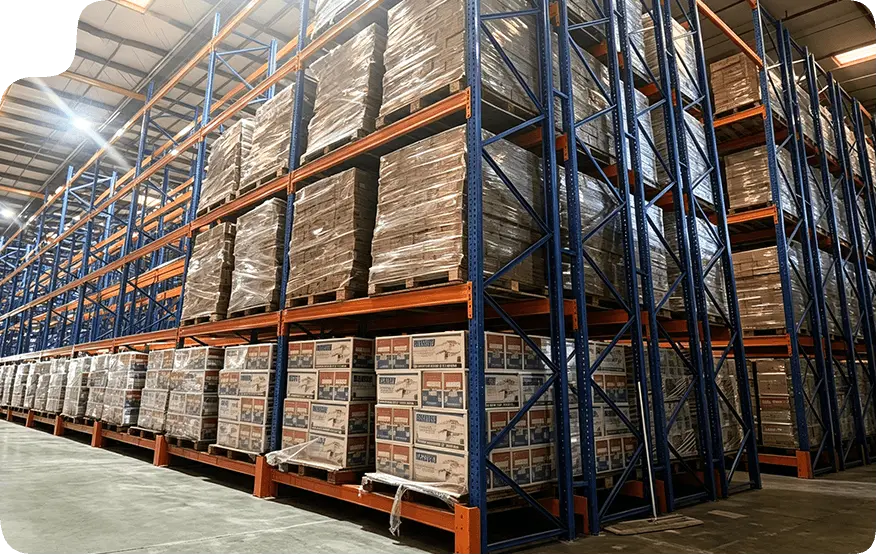
Modern industrial supply chains face escalating real estate costs, volatile energy rates, and stricter safety governance. Consequently, enterprise procurement of Drive-In Racking Systems has evolved from basic steel fabrication into rigorous mechanical and spatial engineering.
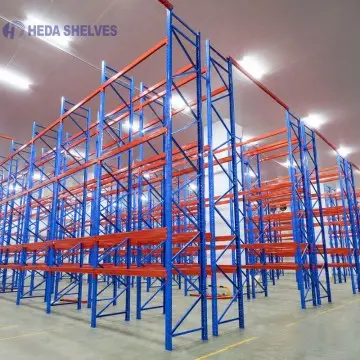
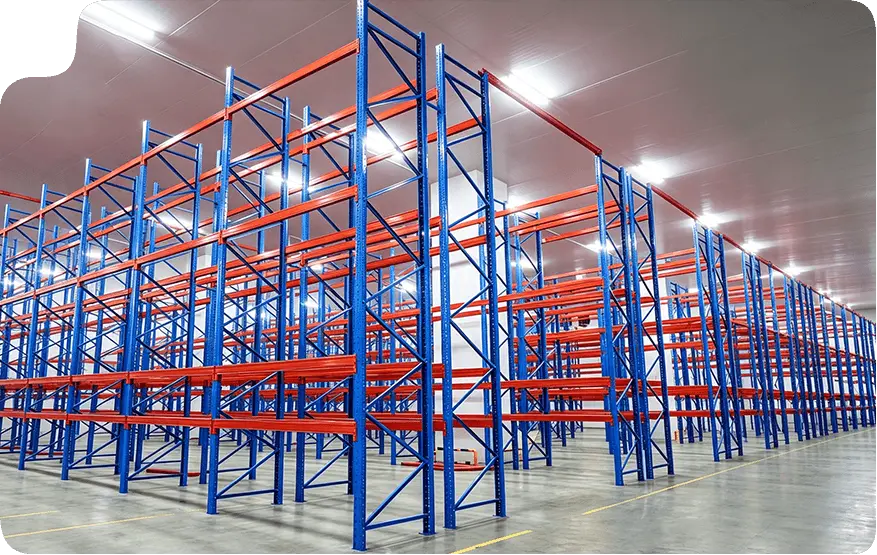
1. Cold-Chain Volume Density Over Total Footprint: Cold storage operators are confronting peak electrical tariffs across major logistics hubs. Because a drive-in racking system eliminates service aisles, refrigerated airspace utilization rises from 45% in standard selective systems to nearly 85%. Global cold chain procurement prioritizes ultra-dense multi-deep drive-in corridors to cut refrigeration costs per pallet cubic meter.
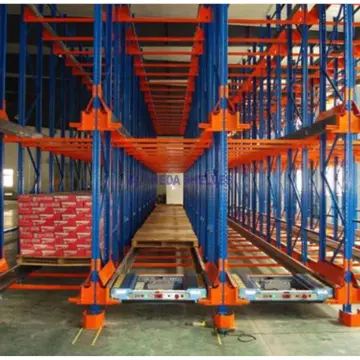
2. Transition Toward Shuttle Hybrid Architecture: Forward-thinking warehouses demand future-proof structures. Guangzhou Heda Shelves Co., Ltd. designs drive-in systems with standardized lane cross-sections and modular upright punching that can be retrofitted with autonomous radio shuttle runners, transforming manual drive-in lanes into semi-automated high-throughput channels without rebuilding structural uprights.
3. Advanced Impact Protection & Telematics Safety: With forklifts physically operating within the racking bays, collision mitigation is paramount. Contemporary procurement specifications mandate heavy-duty rolled channel ground tracks, reinforced upright bottom shoes, wrap-around column guards, and ductile steel grades that absorb dynamic wheel impacts.
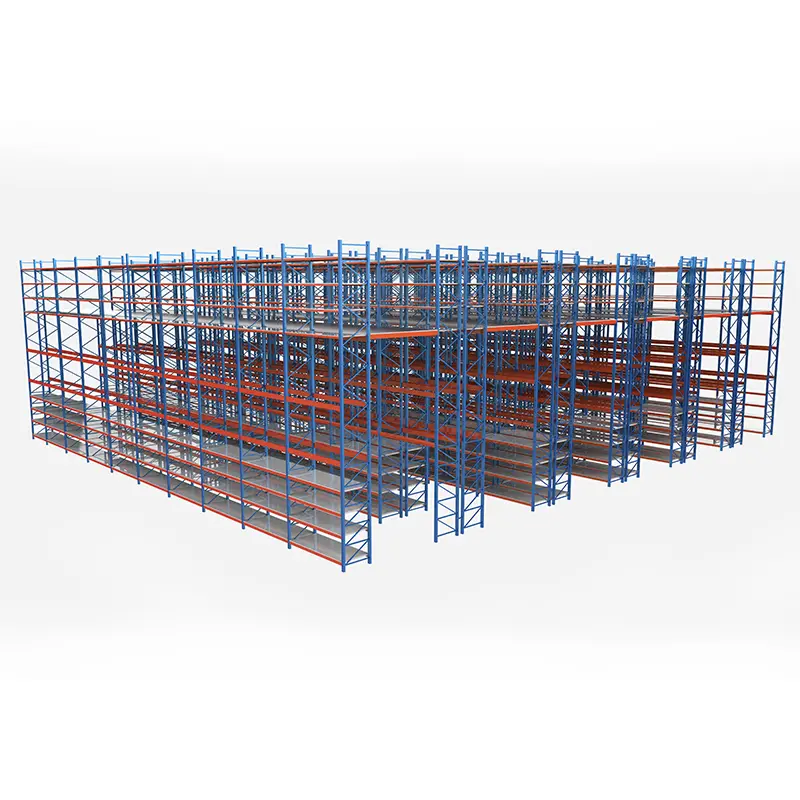
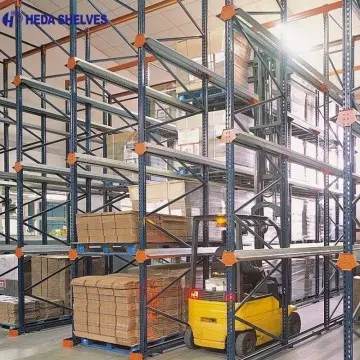 Standard Drive-In