Technical Architecture The Engineering Logic of Shelving-Supported Mezzanine Platforms
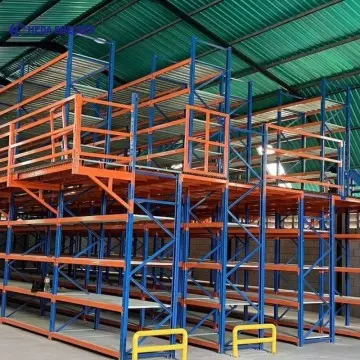
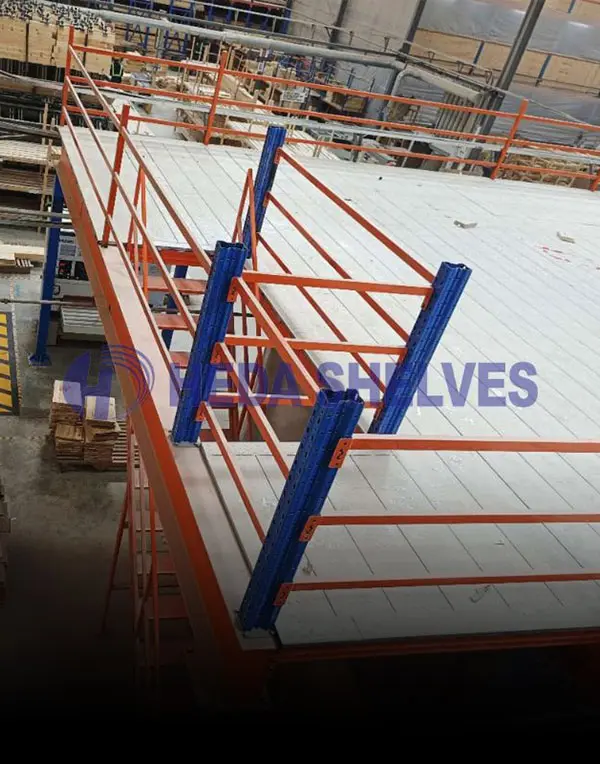
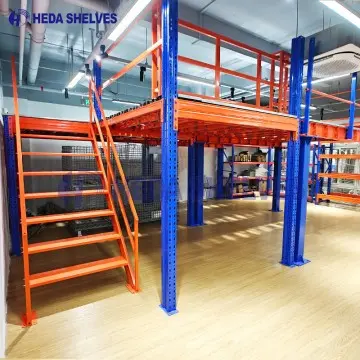
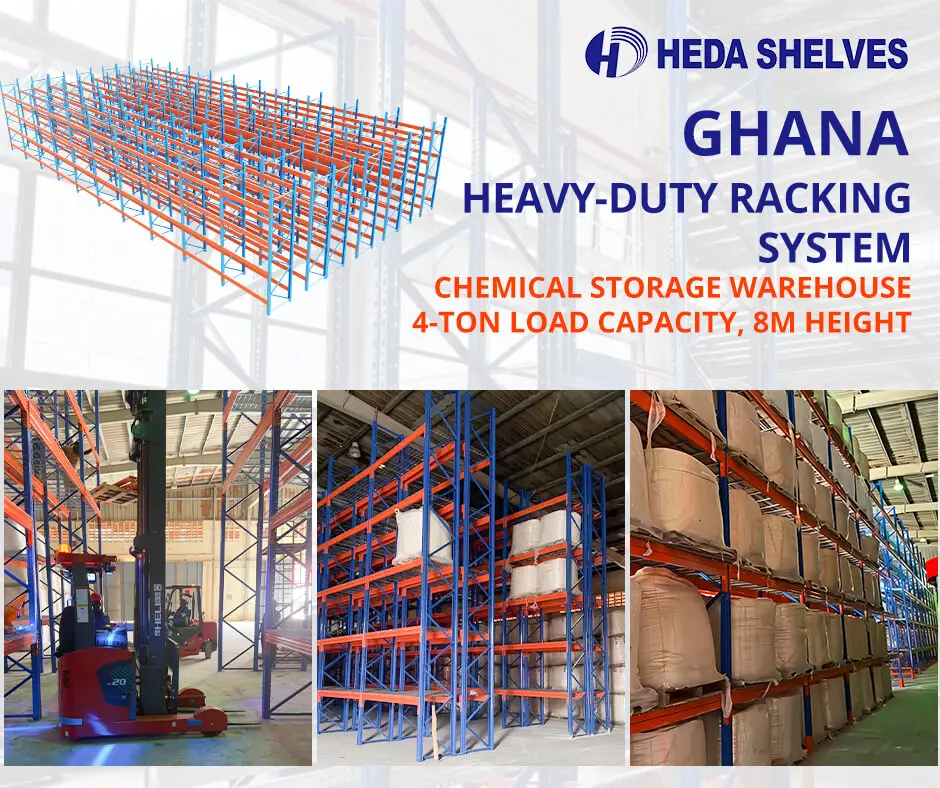
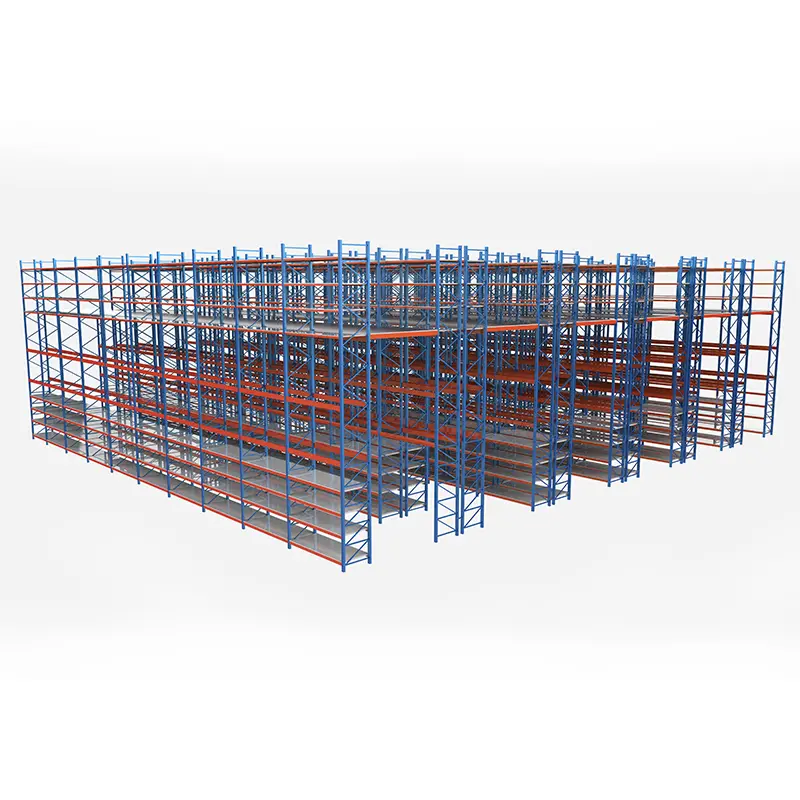
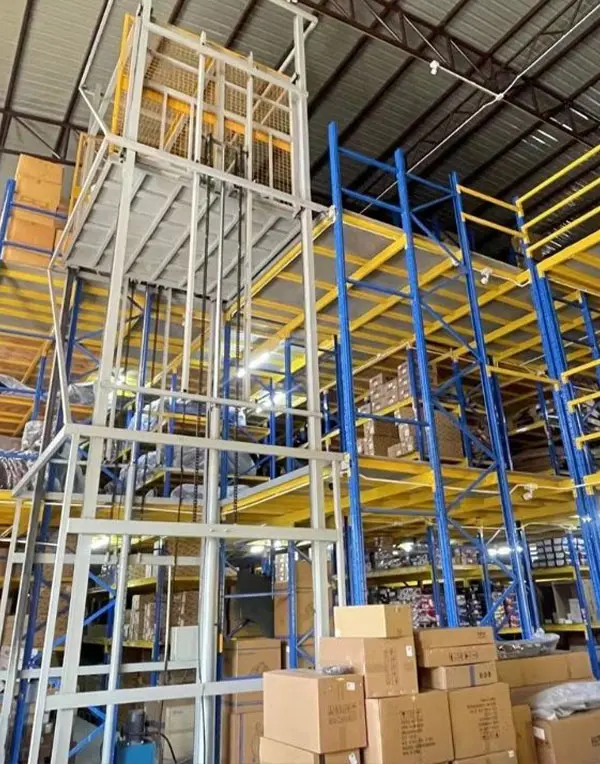
In high-density distribution and parts storage facilities, floor space rental rates and footprint limitations represent an aggressive operational headwind. A shelving-supported mezzanine floor system—often referred to in logistics engineering as a multi-tier catwalk shelving system—bypasses the capital-intensive requirement for independent structural I-beam columns. Instead, it utilizes high-tensile cold-rolled steel shelving uprights as the primary load-bearing columns that support overhead primary joists, secondary bearers, and walking floor decks.
Guangzhou Heda Shelves Co., Ltd. designs these platforms using premium Q235B cold-rolled structural steel, precision-engineered to simultaneously resist dead loads (steel dead weight, shelf components), product payloads (200 kg to 800 kg per shelf level), dynamic live loads (personnel traffic, order picking carts up to 300 kg/m² to 500 kg/m²), and regional seismic base shear forces. By transferring overhead loads evenly through densely spaced upright columns directly into the warehouse concrete slab, point-load stress is drastically minimized, often avoiding the high foundation footings needed for structural mezzanines.
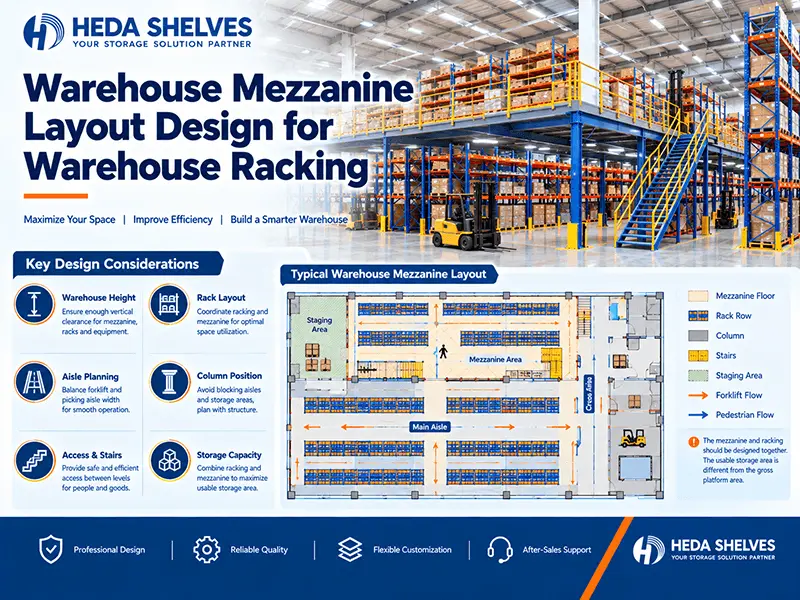
This technical configuration delivers up to 100% to 200% vertical footprint multiplication. The ground level functions as a high-density picking zone, while upper catwalk tiers provide identical access to high-velocity stock, all accessible via integrated industrial staircases, pallet safety swing gates, vertical reciprocating conveyors (VRC), or pneumatic chutes.

 High Velocity Pick