[email protected] Supplying Australia, New Zealand & the Pacific Islands
High-Density Dynamic Storage Engineering

Push Back Pallet Rack: High-Density Dynamic Storage Architecture

Why Global Warehouse Directors Choose Cart-Based Push Back Racking Over Drive-In and Radio Shuttle Systems to Maximize Cube Utilization and Cut Forklift Cycle Times.

Free 3D CAD design for push back pallet rack systems
Tailored Structural Design

Increase Pallet Capacity by Up to 90%

Eliminate wasted access aisles. Store 2 to 6 pallets deep per lane with fully independent SKU selectivity across every beam level.

Certified structural push back rack steel manufacturing
Precision Bearings & Nested Carts

AS 4084, ISO 9001 & CE Certified Toughness

Manufactured from certified high-tensile structural steel with flanged steel wheels, low-friction sealed bearings, and fail-safe safety stops.

  • 2 to 6 Pallets DeepScalable nested cart systems
  • Zero Forklift EntryAisle-only loading minimizes collision
  • Engineered ComplianceAS 4084 & NZS 1170.5 ready
  • Heavy Dynamic LoadsUp to 1,500 kg per pallet cart
Engineering Superiority

Push Back Pallet Rack Mechanics: Principles & Lane Configuration

A comprehensive technical guide into nested-cart kinetic accumulation, eliminating dead storage space, and optimizing high-throughput LIFO inventory profiles.

Inquire Now

The modern Push Back Pallet Rack represents one of the most mechanically elegant, durable, and space-efficient dynamic accumulation storage solutions engineered for logistics hubs. Operating on an inclined structural steel rail track assembly (typically pitched between 1.5% and 3% grade), push back racking utilizes a series of nested rolling carts that move under gravity. When loading, the forklift places the first pallet on the topmost cart. The second pallet gently pushes the first cart backward, uncovering the next underlying cart. Unloading reverses this process: when the front pallet is lifted and backed away, gravitational deceleration smoothly advances the trailing carts to the picking face.

Unlike standard drive-in systems where lift trucks must enter the structural frame—risking severe upright impacts and requiring high operator skill—push back rack systems keep lift truck operations 100% confined to the central operating aisle. Furthermore, every lane operates completely independently: unlike drive-in bays that mandate an entire vertical column to hold identical inventory, push back racking allows each individual beam tier to carry a distinctive SKU.

  • Up to 90% Density IncreaseTransforms selective aisles into dense dynamic storage bays
  • Full Perimeter Pallet SupportHeavy-duty carts prevent board deflection and loose stringer drops
  • Standard Forklift FriendlyWorks with counterbalance, reach, and articulated forklift fleets
  • Lowest Maintenance in ClassPure mechanical kinetic physics with no electronics or motors
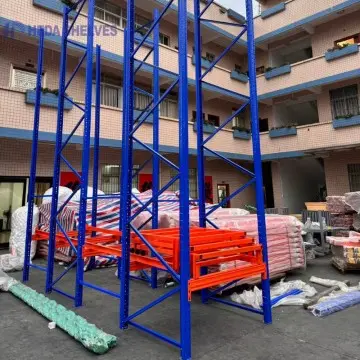
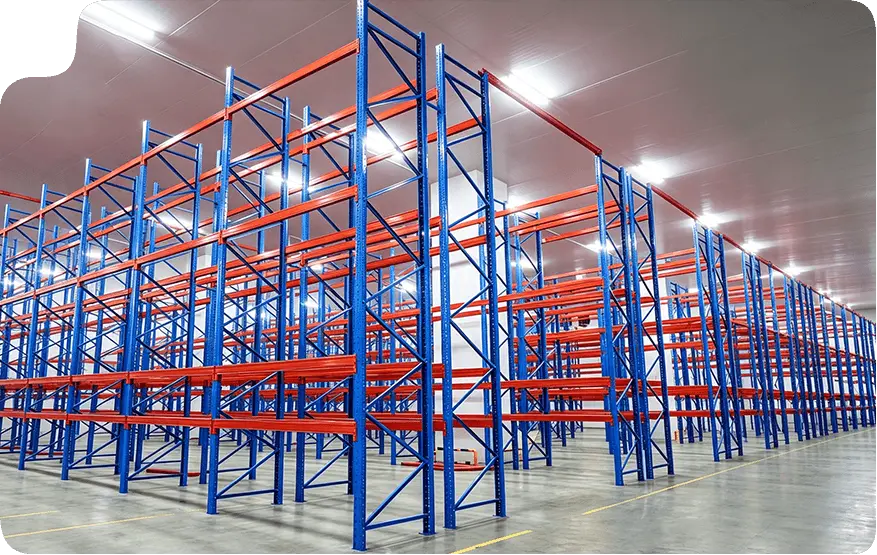
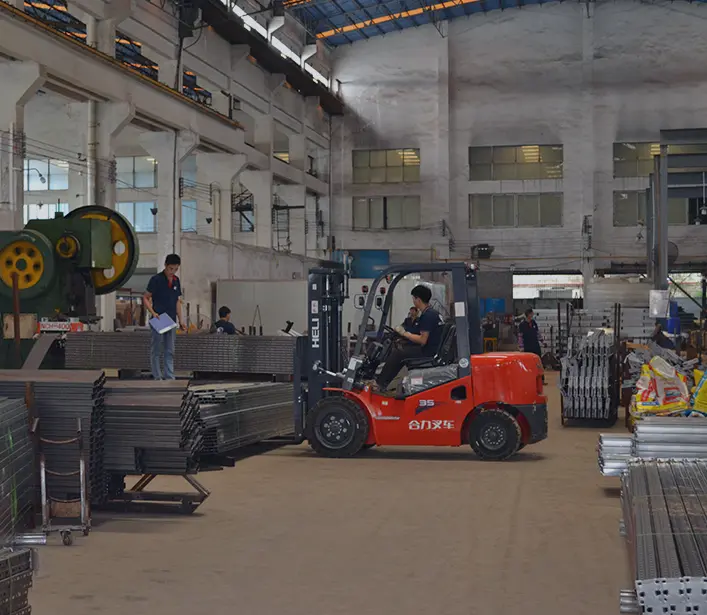
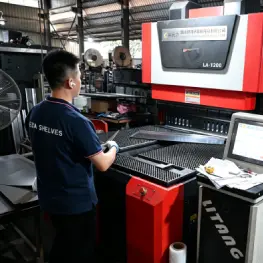
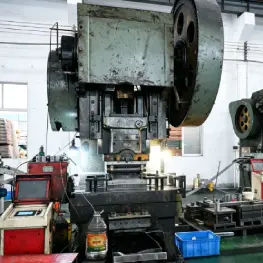
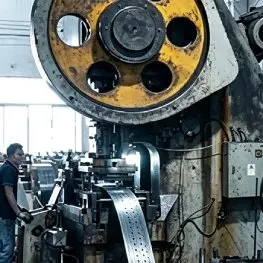
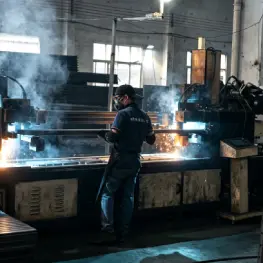
Engineered Push Back Pallet Rack Systems in Factory
Engineering Evaluation Matrix

Comparative Analysis: Push Back vs. Competing Storage Systems

Make data-driven capital expenditure decisions. Compare density, accessibility, forklift damage resistance, and total operational cost metrics.

Storage System Storage Density SKU Selectivity Forklift Cycle Speed Rack Impact Vulnerability Maintenance Cost
Push Back Pallet Rack High (Up to 90% vs Selective) Lane-Level Independent (LIFO) Fast (Aisle access only) Very Low (Trucks stay out) Minimal (Pure mechanical gravity)
Drive-In Racking High (Up to 85%) Bay-Level (Restricted LIFO) Slow (Careful driving required) Extremely High (Frequent collisions) High (Constant upright repairs)
Selective Pallet Racking Low (High aisle ratio) 100% (Direct individual access) Fast Low to Moderate Very Low
Radio Shuttle Racking Very High (Deep lane 10+) Lane-Level (FIFO or LIFO) Moderate to Fast Low High (Batteries, sensors, motors)
Inquire Now for Expert System Sizing
Enterprise Strengths

Guangzhou Heda Shelves Co., Ltd.: Global Rack Manufacturing Authority

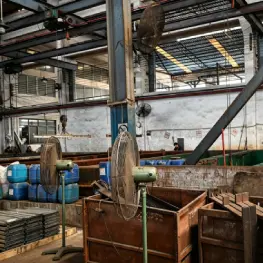
Established in 2001, Guangzhou Heda Shelves Co., Ltd. has grown into an international engineering and manufacturing powerhouse in the materials handling sector. Spanning a state-of-the-art 30,000 m² heavy-industrial manufacturing production base, our enterprise is powered by over 300 experienced engineers, structural technicians, and skilled logistics specialists. Our monthly cold-formed steel manufacturing capacity surpasses 30,000 metric tons, allowing us to easily handle multi-thousand-pallet turn-key automated and dynamic rack installations globally.

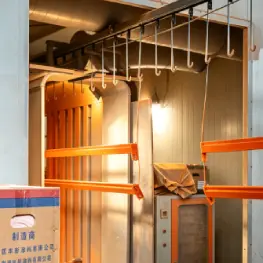
Over the past 25 years, Guangzhou Heda Shelves Co., Ltd. has engineered and successfully exported more than 10,000 large-scale warehouse storage installations worldwide, serving importers, logistics developers, and distributor networks across Australia, New Zealand, North America, Southeast Asia, and the Pacific Islands. Our complete in-house manufacturing process integrates precision raw steel slitting, automated CNC roll-forming lines, robotic upright punching, continuous seam welding, pickling phosphating pre-treatment, and automated electrostatic powder coating.

Every push back pallet rack system leaving our facility is accompanied by structural calculation packs, section properties verified against AS 4084 (Steel storage racking) design principles, ISPM-15 compliant timber or rigid steel transport stillages for rapid DAFF/MPI biosecurity clearance, and detailed installation guides.
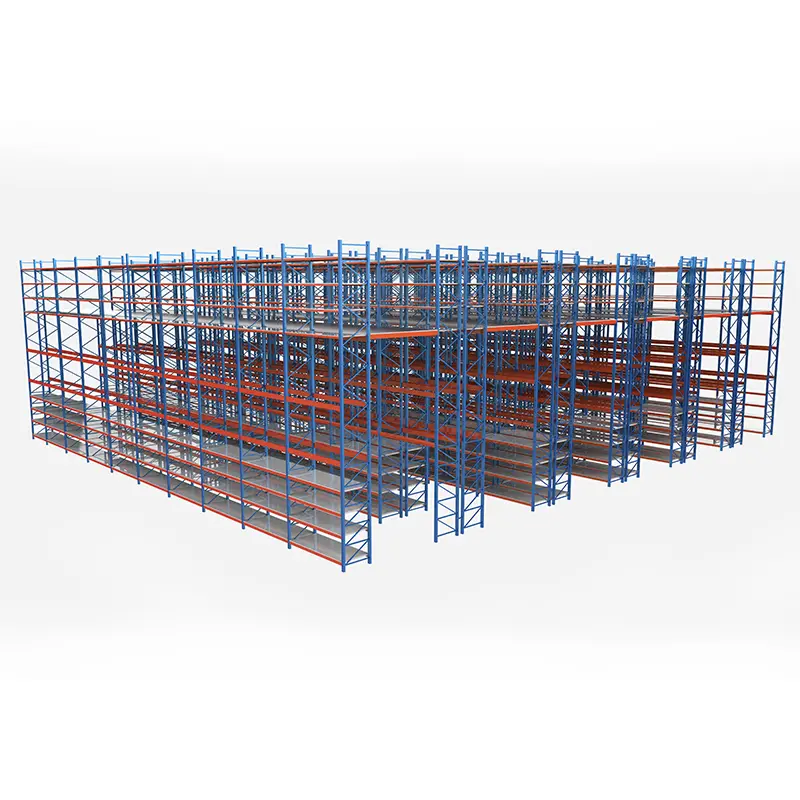
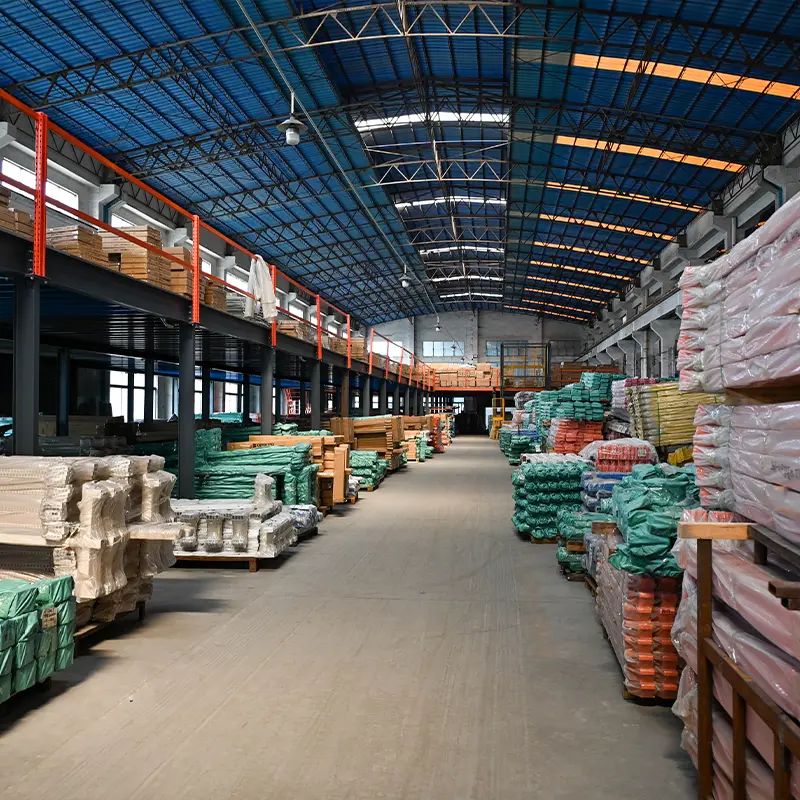
Guangzhou Heda Shelves Co., Ltd. factory manufacturing facility Inside our 30,000 m² manufacturing plant
Global logistics distribution footprint
  • 2001
    Year Established
  • 0+
    Technical Team
  • 0t
    Monthly Output
  • 0m²
    Factory Site Area
Certified Engineering Compliance

Tested, Validated, and Quality Certified Rigor

Procuring push back pallet racking directly from Guangzhou Heda Shelves Co., Ltd. provides certified quality security. All components are subjected to rigorous finite element analysis (FEA), static structural load testing, and rolling fatigue evaluations.

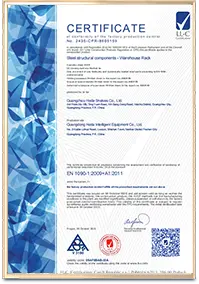
  • CE Certified ProductionCompliance Certificate No. 2435-CPR-8605159
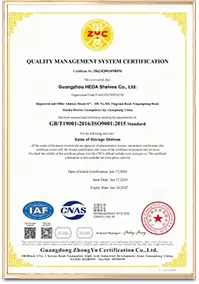
  • ISO 9001:2015 Management SystemRegistration No. 18624Q00169R0M
  • AS 4084 & NZS Seismic CompatibilityEngineered load tables & baseplate anchoring
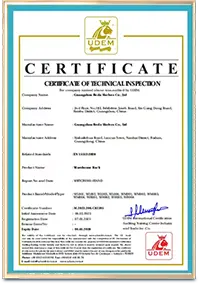
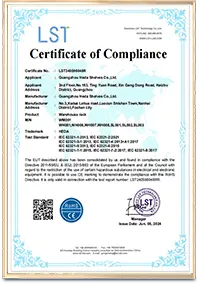
ISO quality management certification CE conformity mark RoHS compliance certification
CE Certificate Guangzhou Heda Shelves Co., Ltd.
ISO 9001 Certificate Guangzhou Heda Shelves Co., Ltd.
RoHS Certificate Guangzhou Heda Shelves Co., Ltd.
Structural Test Report Push Back Pallet Rack
Manufacturing Integrity

The 10-Step Push Back Racking Manufacturing Process

Precision execution at every production station guarantees carts roll smoothly, tracks remain rigid under load, and paint finishes withstand industrial abuse.

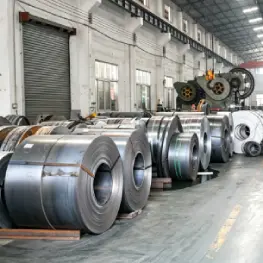
Raw structural steel coil test
Step 01

Raw Steel Verification

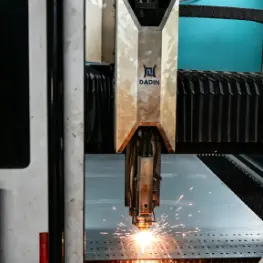
High precision laser and steel slitting
Step 02

Precision Steel Slitting

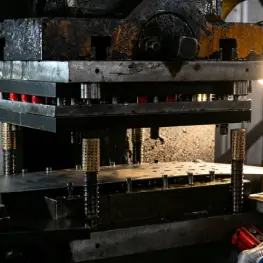
CNC automatic column punching
Step 03

CNC Column Punching

Multi-stage cold bending
Step 04

Cold Bending Forming

Continuous roll forming line
Step 05

Precision Roll Forming

Mechanical surface polishing
Step 06

Mechanical Polishing

Robotic welding cart components
Step 07

Robotic Cart Welding

Chemical pickling and phosphating
Step 08

Chemical Pre-treatment

Automated powder coating curing line
Step 09

Powder Coating Line

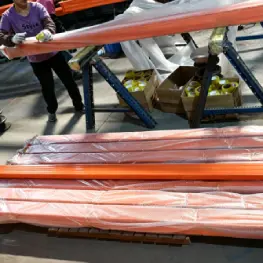
Quality inspection and export packing
Step 10

Final QC & Bundling

Procurement Knowledge Base

Push Back Pallet Rack FAQ: What Global Buyers Ask

Comprehensive engineering clarifications addressing the most critical technical and operational questions posed by warehouse designers, operations directors, and international procurement teams.


Inquire Now
How does a Push Back Pallet Rack system work during loading and unloading?

A Push Back Pallet Rack functions using an inclined steel track assembly (typically set at a 1.5% to 3% pitch) and nested rolling carts. The first pallet is placed by a standard forklift directly onto the topmost cart. To deposit a second pallet, the forklift operator pushes the front pallet gently backward, exposing the underlying second cart for pallet placement. This sequence can repeat up to 6 pallets deep per lane. During unloading, removing the front pallet lets gravity smoothly roll the trailing carts forward to the aisle face at a controlled, secure rate.

What is the primary operational difference between Push Back and Drive-In racking?

The primary difference is accessibility, cycle speed, and risk of structural impact. In drive-in racking, forklifts must drive directly inside the structural upright bays, increasing transit time and upright collision risks. In push back racking, the lift truck stays strictly within the main aisle. Furthermore, push back racking offers independent lane access—each beam level can hold a different SKU—yielding much higher selectivity and cutting forklift operating cycle times by up to 40%.

Can Push Back Pallet Racks accommodate irregular, broken, or varied pallet sizes?

Yes. Push back systems with nested structural carts are more tolerant of irregular or lower-grade wooden pallets than pallet flow (roller) systems. In cart-based push back racks, the pallet sits flat and supported across full structural cross-members rather than resting directly on delicate rollers or open beam flanges. We can design customized carts for Australian standard (1165 x 1165 mm), Euro (1200 x 800 mm), and US (1200 x 1000 mm) pallets within the same warehouse layout.

How does Guangzhou Heda Shelves Co., Ltd. ensure structural compliance with AS 4084 and seismic loads?

Our engineering division models all dynamic and static racking structures using finite element calculations referenced to the Australian Standard AS 4084 and relevant seismic codes such as New Zealand's NZS 1170.5. We calculate upright column gauge thickness, footplate anchor embedment, back-to-back bracing, and mechanical stop thresholds to ensure full compliance and smooth sign-off by local structural certifiers.

What maintenance is required for dynamic push back cart assemblies?

Push back racks have minimal maintenance overhead because they rely on passive kinetic gravity rather than electrical motors, sensor logic, or hydraulic lines. Routine maintenance involves keeping track channels clear of wood splinters or plastic debris, checking safety end-stops, and semi-annual checks of the heavy-duty flanged wheel sealed bearings. This simplicity makes push back racking a dependable, low-maintenance high-density storage investment.

Trusted by international enterprises and regional distributors

Push Back Pallet Rack Manufacturing Facility
Factory-Direct Proposal

Request a Tailored Push Back Pallet Rack Engineering Proposal

Send our senior engineering team your warehouse floor dimensions, ceiling height, and pallet load parameters to receive a custom CAD layout and complete cost estimate within 24 hours.

Building Floor PlanDimensions, columns, dock doors & obstacles
Clear Ceiling HeightUnderside of roof truss, lights & ESFR sprinklers
Pallet Specifications1165×1165mm AU, 1200×1000mm, or Euro sizes
Load Capacity ProfileAverage and maximum payload weight per pallet
Forklift Fleet TypeCounterbalance, reach, mast lift height & turning radius
Operating AtmosphereAmbient, cold room (-20°C), or coastal corrosion zone