Adjustable Heavy Duty
Heavy-duty structural storage configurations verified for high throughput, seismic stability, and compliance with European CE standards (Certificate No. 2435-CPR-8605159).
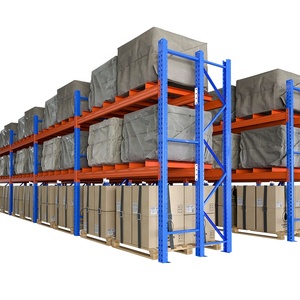
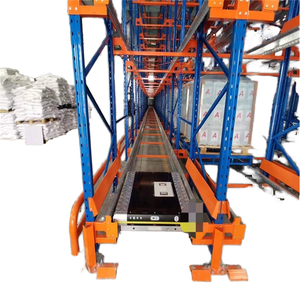
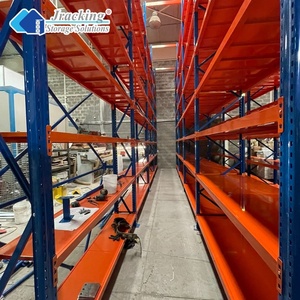
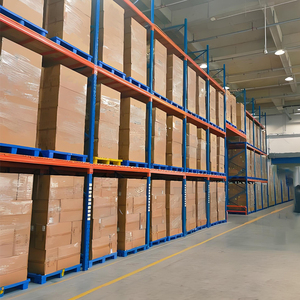
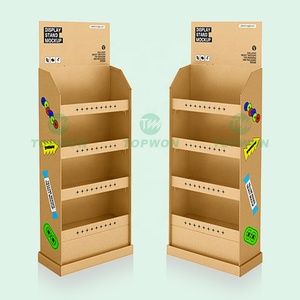
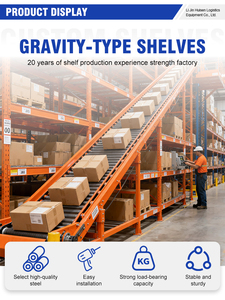
In modern industrial intralogistics, Push Back Racking Systems represent one of the most efficient high-density Last-In, First-Out (LIFO) storage configurations available. Unlike static selective racking that requires dedicated forklift access aisles for every double row, or drive-in racking that exposes structural uprights to severe vehicular impacts, a push rack system uses an inclined structural track and nested carriage assembly to store pallets up to 6 positions deep.
Achieving compliance with European Union harmonized standards—specifically EN 15512 (Steel Static Storage Systems: Adjustable Pallet Racking Systems - Principles for Structural Design) and execution standards under EN 1090-1 / EN 1090-2 (Execution of Steel Structures and Aluminium Structures)—requires rigid engineering tolerances, advanced metallurgical profiling, and precise kinetic calculations.
Multi-tiered carts manufactured from heavy-gauge structural steel nested on low-profile inclined tracks. Pallets rest on independent platforms, eliminating wood-to-metal pallet drag and preventing load-jam failure modes.
Precisely calibrated gradient of 25mm to 35mm per linear meter allows smooth gravitational roll-down controlled by speed dampeners, stopping runaway pallet kinetic surges when front pallets are extracted.
Certified factory production control (FPC) ensures cold-formed upright profiles and laser-cut cart tracks maintain yield strength limits, verified by automated ultrasonic weld testing and non-destructive mechanical stress evaluation.
Structural reliability in high-bay push back systems is heavily determined by beam deflection thresholds and dynamic horizontal thrust forces during loading. When an operator pushes the incoming pallet against existing loads, the mast forces transfer dynamically through the cart wheels onto the inclined rails and structural cross-beams. According to EN 15512, maximum permissible vertical beam deflection must not exceed L/200 for static load, but for dynamic push back racking, our factory sets an internal engineering parameter of L/300 to avoid cart binding.
| System Type | Pallet Depth | Typical Incline (%) | Deflection Criteria | Standard Compliance | Optimal SKU Density |
|---|---|---|---|---|---|
| Cart-on-Rail Push Back | 2 to 6 Pallets | 2.5% – 3.2% | ≤ L/300 | EN 15512, FEM 10.2.02, CE CPR | Medium to High (5-10 Pallets/SKU) |
| Full-Width Roller Push Back | 2 to 4 Pallets | 1.8% – 2.5% | ≤ L/250 | EN 15512, AS 4084:2023 | Medium (Irregular pallet footprints) |
| Drive-In Racking (Comparison) | 4 to 10 Pallets | 0% (Flat rail) | ≤ L/200 | EN 15620, ISO 9001 | High (Risk of mast collision) |
| Radio Shuttle System | 10 to 40+ Pallets | 0% (Automated) | ≤ L/350 | CE Machinery Directive 2006/42/EC | Extremely High Throughput |
By preventing horizontal rail deflection, nested cart wheels (mounted on permanently sealed, anti-friction chrome steel bearings) travel without the common jamming problems reported with low-cost, non-certified alternatives.
Logistics directors and engineering procurement teams are facing rising industrial real estate costs, tighter regional seismic compliance mandates, and urgent decarbonization requirements. Sourcing push racks is no longer merely comparing unit steel weights—procurement managers are evaluating lifecycle performance, cold-chain capabilities, and modular compatibility.
Refrigerated warehouse space costs 3 to 4 times more than ambient storage. The rapid expansion of cold-chain logistics demands push back systems equipped with specialized low-temperature polyalphaolefin (PAO) synthetic greases that remain operational at -30°C without crystallizing, preventing premature cart motor and bearing lockups.
Under EU CBAM (Carbon Border Adjustment Mechanism) and ESG supplier codes, international factories must supply full Environmental Product Declarations (EPD). Tier-1 manufacturers are transitioning to high-tensile hot-rolled Q355B coils optimized for lower weight-to-load ratios, cutting embodied carbon per pallet position by up to 18%.
Modern distribution centers are pairing front-face push back rack arrays with automated mobile robots (AMRs) and automated counterbalanced forklifts. Standard cart front-stoppers are being redesigned with laser-reflective positioning sensors and mechanical guide flanges to accommodate automated robotic forks without human intervention.
Following updated seismic zones in New Zealand (NZS 1170.5), Australia (AS 4084:2023), and Mediterranean Europe (Eurocode 8), procurement requires dynamic multi-modal spectral analysis. Push racks require dual-axis baseplates, thickened bottom upright anchors, and row spacers designed to withstand inter-story lateral drift without cart dislodgement.
Low-cost fabricators often omit cart anti-lift mechanisms or use soft nylon rollers that develop flat spots under heavy long-term loads. Enterprise procurement contracts now demand lifetime fatigue evaluations and drop-in roller cassette modules that can be replaced in minutes without dismantling entire bays.
Cleanroom pharmaceutical and food-grade storage mandates smooth, zinc-plated or RoHS-compliant electrostatic polyester powder coatings free of toxic heavy metals. For cross-border ocean logistics, suppliers must provide fumigation-free all-steel transport cradles or certified ISPM-15 treated timber to avoid customs quarantine delays.
Established in 2001, Guangzhou Heda Shelves Co., Ltd. operates an advanced 30,000 square meter integrated manufacturing facility with over 300 experienced engineers, CNC tooling experts, and logistics system specialists. Supplying warehouse operators, integrators, and racking distributors worldwide, our factory combines advanced mechanical engineering with high-capacity roll forming.
Our structural production holds CE Certification No. 2435-CPR-8605159 under the EU Construction Products Regulation, alongside ISO 9001:2015 Quality Management System No. 18624Q00169R0M. Verification dossiers are openly shared with client engineering consultants prior to contract placement.
With high-speed automated roll-forming lines, automated punching matrices, and robotic gantry welding systems, our plant easily produces over 30,000 metric tons of certified steel racking components per month, guaranteeing reliable lead times on 50+ container turnkey warehouse installations.
Our in-house design office provides full CAD structural drawings, 3D parametric renderings, and site-specific calculation packages (including AS 4084, NZS 1170.5, and EN 15512 data) free of charge to streamline approval with local municipal building certifiers.
Every beam, upright column, push back carriage, and nested rail assembly is produced through our tightly monitored 10-step manufacturing protocol:
Direct technical answers to the most common questions raised by warehouse managers, structural engineers, and logistics procurement directors when sourcing CE-certified push back rack systems.
Submit your warehouse floor layout, clear ceiling height, pallet dimensions, and SKU parameters. Our senior structural logistics engineers will generate a complimentary 3D CAD proposal, load table calculation, and competitive factory-direct quote within 24 hours.