Architectural Mechanics of Industrial Push Back Pallet Racking
Push back pallet racking represents the optimum equilibrium point in modern material handling between extreme high-density floor conservation and operational SKU accessibility. Unlike conventional static drive-in racking that forces material handlers to navigate inside the steel framework, or selective pallet racking that demands excessive operating aisles, a push back system utilizes an inclined structural rail system combined with a series of nested, telescoping roller carts. Pallets are deposited and retrieved strictly from a single front operating face, configuring the system for efficient Last-In, First-Out (LIFO) inventory buffering.
When the primary pallet is lifted onto the top cart by a standard reach or counterbalanced forklift, the operator gently pushes it back to expose the subsequent nesting carriage for the next unit load. System gradients are calibrated precisely between 1.5% and 2.5%, allowing gravity to smoothly return remaining pallets to the pick face at an engineered velocity when a front unit is extracted. Manufactured with certified high-tensile hot-rolled or cold-formed Q235B and Q355B structural steel, our push back systems eliminate forklift-rack structural impacts, radically decrease operating cycle times, and expand effective warehouse storage footprint utilization by 75% to 200% compared to conventional layouts.
2 to 6 Pallet Depths
Telescoping nested carts engineered with low-profile, heavy-duty flange wheels and sealed bearings.
Calibrated Incline Geometry
Factory-machined rail profiles prevent pallet drift, cart binding, or uncontrolled rollbacks.
Universal Pallet Compatibility
Designed around Australian Standard 1165×1165mm, Euro 800×1200mm, and GMA 40×48in pallets.
Engineered Racking & Industrial Storage Solutions
Explore our factory-direct, CE-certified warehousing configurations, precision-manufactured for heavy industrial distribution hubs, cold chain terminals, and multi-tier picking centers.
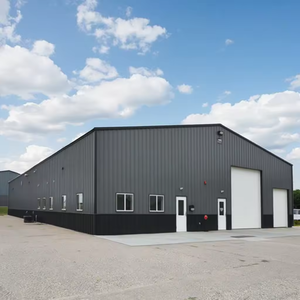
1000sqm Quick-build Prefabricated Steel Structure Warehouse Shed
High-strength wind-resistant industrial framing engineered for integration with high-bay dynamic push back systems.
Get a Quote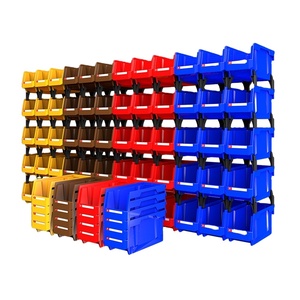
Wall Mounted Stackable Plastic Storage Bin Organization Rack
Heavy-duty hardware, screw, nut, and component picking storage arrays designed to flank bulk reserve pallet staging.
Get a Quote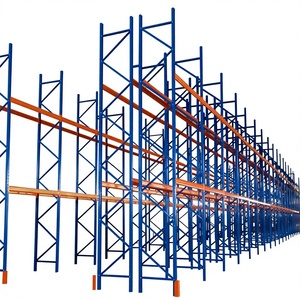
Hongxin Powder-Coated Multi-Level Heavy-Duty Steel Racking
Adjustable uprights and cross-beams fabricated with high-yield steel for high-density space-saving warehouse setups.
Get a Quote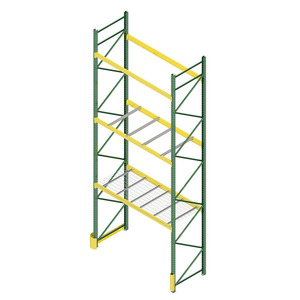
Heavy Duty Cold Storage Narrow Aisle Industrial Pallet Racking
Specialized low-temperature powder coatings and hot-dip galvanizing suitable for sub-zero freezer push back conversions.
Get a Quote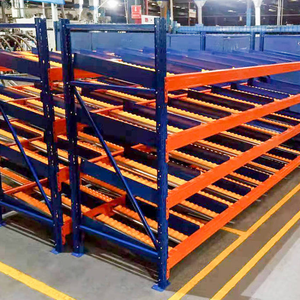
Steel Carton Flow Racking Shelving with Dynamic Roller Tracks
Gravity-fed sliding case storage providing seamless split-case picking under top-level bulk push back pallet reserves.
Get a Quote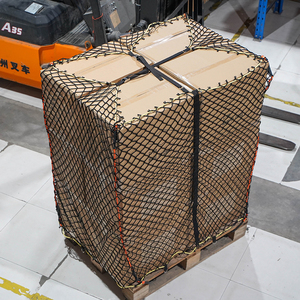
Industrial High-Tenacity Reusable Pallet Safety Containment Nets
Anti-spill protection nets engineered to prevent dislodged goods in high-velocity push back dynamic rack lanes.
Get a Quote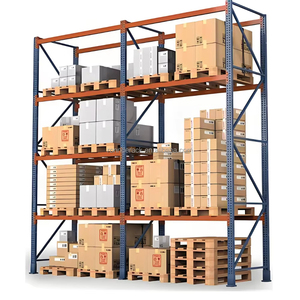
China Warehouse Heavy-Duty Structural Pallet Rack Upright Frames
Reinforced column profiles and bracing geometry certified to support high dynamic push back cart weight transfers.
Get a Quote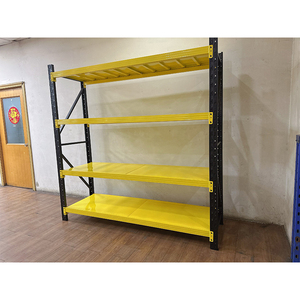
Factory Heavy-Duty Metal Warehouse Storage Rack Modules
Modular, high-rigidity structural shelving adaptable for warehouse display, logistics cross-docks, and distribution hubs.
Get a QuoteFuture Sourcing & Procurement Trends (2026–2030)
Global supply chain directors and warehouse facility engineers are evolving their capital expenditure frameworks toward precision-engineered, compliant, and climate-resilient storage systems.
Certified Engineering Traceability
Procurement policies now strictly mandate mill certs (EN 10204 Type 3.1) and verifiable adherence to structural building codes including Australian Standard AS 4084-2023, European EN 15512, and US RMI ANSI MH16.1. Exporters incapable of supplying full finite-element design calculations are systematically excluded by corporate compliance.
Pre-Engineered Hybrid Automation
Greenfield facilities increasingly invest in "automation-ready" push back racking infrastructure. This allows facilities to initiate operations with conventional counterbalanced forklifts, while preserving exact rail, cart, and flue tolerances required to integrate AGVs (Automated Guided Vehicles) and AMR reach trucks in downstream expansion stages.
Scope 3 & Lifecycle Durability
International buyers in Oceania, Europe, and North America evaluate structural steel lifecycle carbon footprints. Modern tenders favor suppliers using energy-efficient continuous roll-forming lines, lead-free zero-VOC thermosetting powder coatings, and biosecurity-compliant container packing methodologies that eliminate fumigation waste.
Technological Advancements in Push Back Racking
Key innovations elevating modern push back systems from passive gravity lanes into mission-critical, low-maintenance dynamic handling engines.
Low-Profile Telescoping Carts
Historical push back systems lost significant vertical clear height due to bulky wheeled beds. Contemporary cold-rolled precision nested cart design minimizes total stack height to under 120mm across a 5-deep lane, preserving valuable vertical bay clearances and accommodating extra storage beam tiers in height-restricted warehouses.
Kinetic Dynamic Dampeners
In high-mass loading (exceeding 1,200 kg per pallet), uncontrolled velocity during pallet retrieval presents pallet damage or dislodgement risks. Our integrated centrifugal speed retarders and mechanical end-stop shock absorbers ensure gradual, decelerated movement of nested carriages regardless of operational temperature.
Seismic-Resilient Mechanical Anchoring
Standard dynamic racking can unseat rolling carts during ground acceleration events. Advanced push back systems feature captive inter-locking rail lips, ensuring carriages remain permanently anchored within the guide channels under intense lateral and longitudinal seismic shaking (NZS 1170.5 & ASCE 7 compliant).
Engineered Quality from Guangzhou Heda Shelves Co., Ltd.
Established in 2001, Guangzhou Heda Shelves Co., Ltd. is an industry-leading manufacturer and exporter of heavy-duty warehouse storage systems. Operating from our 30,000 square meter ISO 9001:2015-certified fabrication facility, our 300+ structural engineers, draftsmen, and technicians turn raw certified steel into turnkey distribution layouts for world-class enterprises.
30,000 Tons Monthly Capacity
Equipped with automated continuous roll-forming lines, robotic welding work cells, multi-station CNC punching presses, and dual automated electrostatic powder coating lines.
Free Structural 3D & CAD Design
Our in-house design engineering office delivers compliant warehouse layout CAD drawings, 3D visualizations, and comprehensive structural calculation packs within 24 to 48 hours.
International Compliance Direct
CE Certification (No. 2435-CPR-8605159), ISO 9001:2015 (No. 18624Q00169R0M), RoHS certified, with designs engineered to Australian AS 4084, New Zealand NZS 1170.5, and FEM standards.
Biosecurity-Ready Packaging
All ocean shipments are bundled on custom engineered steel stillages or ISPM-15 heat-treated certified timber, facilitating hassle-free DAFF (Australia) and MPI (New Zealand) customs clearance.
Door-to-Port Export Logistics
Direct weekly sailings from South China ports (Guangzhou/Shenzhen/Nansha) to Sydney, Melbourne, Brisbane, Auckland, Tauranga, Los Angeles, Rotterdam, and Jebel Ali with transit times of 2 to 4 weeks.
OEM & Private Label Programs
We engineer and manufacture customized upright hole pitch layouts, specialized connector tabs, and custom brand powder coat finishes for domestic racking integrators and distributors globally.
Frequently Asked Questions by Industrial Buyers
Essential technical, logistical, and commercial inquiries answered by our structural engineering and export operations division.
Push back racking provides superior productivity over drive-in systems in low-temperature cold rooms. Because forklifts never enter the rack bay, pallet load/retrieval cycles are up to 300% faster. Each lane operates independently on a distinct cart system, allowing multiple SKUs per bay level rather than dedicating entire vertical tiers to one product, drastically curbing honeycombing loss in high-expense frozen cubic footage.
Yes. One of push back racking's primary mechanical advantages over pallet flow (roller bed) systems is that pallets rest entirely on structural steel rolling carts rather than rolling directly on small skate wheels. Even lower-grade wooden pallets with cracked bottom boards or varying skid configurations (including Australian 1165×1165mm four-way pallets) travel securely without risk of splinter jamming.
Push back racks concentrate large aggregate static and dynamic masses onto smaller slab contact footprints. We calculate upright point loads with calibrated seismic considerations according to local engineering codes (e.g., AS 4084 / FEM 10.2.02). We provide baseplate thickness specifications, anchor bolt tensile/shear ratings, and require concrete compressive strength minimums (typically 25–30 MPa) prior to manufacturing sign-off.
Standard manufacturing cycles for custom-engineered push back projects range from 15 to 25 days depending on total tonnage, cart level complexity, and finishing requirements. Standard ocean freight from South China to Australasia takes 12–18 days, to the US West Coast 14–20 days, and to Northern Europe 25–32 days. Full export documentation sets are issued digitally prior to vessel docking.