Precision Storage & Industrial Racking Systems
Engineered to international load-bearing parameters, AS 4084 compliance baselines, and certified against CE and ISO 9001:2015 benchmarks for maximum seismic and operational stability.
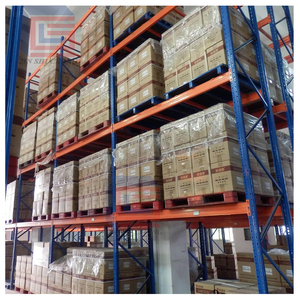
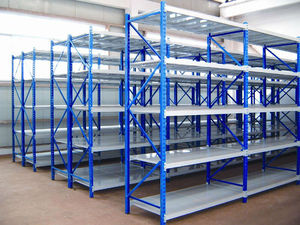
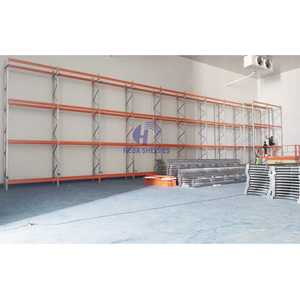
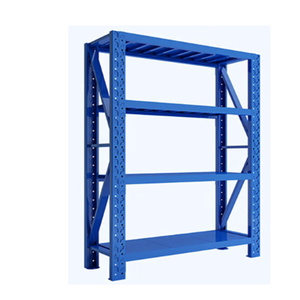
Why Tier-1 Importers Rely on HEDA Shelves
Operating a modernized 30,000 m² heavy industrial production workshop backed by 25 years of engineering authority in high-density storage hardware and international project logistics.
30,000 m² Integrated Facility
Founded in 2001, our facility runs continuous roll-forming lines, automated punching centers, robotic continuous welding jigs, and automated phosphate pre-treatment coating lines.
30,000 Tons Monthly Capacity
Scale without supply chain volatility. Our raw-coil purchasing power directly through Baosteel and Ansteel guarantees uniform yield tensile strengths and reliable project delivery schedules.
Free 3D & CAD Layouts
Over 300 technical engineers generate finite element calculation models, clear height optimization schematics, and complete pallet position plans within 24 hours of receiving site data.
Certified AS 4084 Engineering
Engineered to international building standards including Australian AS 4084, European FEM 10.2.02, and US RMI guidelines, complete with verified load chart signage for local certification sign-off.
Biosecurity-Ready Packaging
Engineered for global customs compliance. We utilize customized heavy-gauge steel stillages or ISPM-15 heat-treated certified timber, eliminating quarantine inspection bottlenecks at Australian DAFF and NZ MPI ports.
Global Preferential FTA Documentation
Our direct export compliance division issues comprehensive commercial invoices, detailed packing lists, and Form A/CO (Certificate of Origin), allowing buyers to capitalize on tariff relief under ChAFTA and RCEP agreements.
Emerging Procurement Trends in Industrial Storage (2025–2030)
Evaluating total cost of ownership (TCO), high-density footprints, and structural sustainability across overseas logistics supply lines.
1. Vertical Cube Saturation Over Floor Expansion
With warehouse industrial land rates up over 35% across major transshipment clusters, supply chain operators are swapping low-profile selective racking for very narrow aisle (VNA) and multi-level rack-supported mezzanines reaching up to 16 meters clear height. Procurement prioritizes millimeter-accurate upright alignment to eliminate rack deflection.
2. Semi-Automated Shuttle Fleet Transition
Traditional drive-in racking is giving way to high-density radio shuttle racking. Instead of forklifts entering deep structural bays—which drives up frame impact hazards and operational cycles—automated 4-way shuttles retrieve pallets along dedicated guide rails, trimming forklift cycle intervals by over 50% and protecting rack structural integrity.
3. Site-Specific Environmental Coating Metallurgy
Buyers are looking beyond generic indoor paint. Near-coastal sites in Oceania, cold storage freezers (-30°C), and chemical plants demand specialized surface treatments: automated continuous hot-dip galvanizing (HDG) or zinc-rich primer pre-treatments rated to surpass 1,000 hours of neutral salt spray testing under ASTM B117 standards.
Future Development Trends in Modern Warehousing Racks
How the union of cold-rolled material science, automated picking, and dynamic seismic modeling is reshaping heavy-load storage hardware.
High-Strength Micro-Alloy Steel
Shift towards Q355B and custom micro-alloy steels featuring higher yield strengths. This reduces steel profile wall thickness while expanding load capacities, lowering deadweight load on concrete slabs and trimming international shipping tonnage.
BIM Integration & Digital Twins
Modern layouts are built from the start within open IFC and Revit BIM protocols. This links directly into enterprise WMS platforms and automated crane paths, avoiding collisions with HVAC, sprinkler mains, and ceiling trusses.
Dynamic Seismic Damping Hardware
To meet evolving NZS 1170.5 and US IBC seismic standards, racking manufacturers are deploying energy-dissipating base plates, spring-loaded column anchors, and dynamic sway dampers that absorb ground shear without catastrophic frame collapse.
Embedded IoT Strain Sensors
Next-generation uprights feature integrated optical strain and impact-detection transponders. If an unrecorded forklift impact exceeds safety limits or beam deflection crosses L/250, floor managers receive real-time maintenance alerts via WMS.
HEDA Shelves Standard Manufacturing & Quality Parameters
Our in-house fabrication covers continuous profile roll-forming, automatic 10-stage pickling and phosphating, and automated electrostatic thermosetting powder application. Every component meets certified yield, elongation, and tolerance thresholds.
| Structural Element | Material Grade | Standard Finish | Design Reference |
|---|---|---|---|
| Upright Columns | Q355B Cold Rolled Steel | Electrostatic Epoxy Powder (70-90μm) | AS 4084 / FEM 10.2.02 |
| Load Beams (Box/Step) | Q235B Cold Rolled Steel | Interlocking 3/4-Claw Connectors | EN 15512 Safety Baseline |
| Frame Bracing | C-Profile Tubular Steel | Zinc Galvanized or Powder Coat | Seismic Bracing NZS 1170.5 |
| Cold Room Arrays | High-Yield Structural Steel | Hot-Dip Galv ISO 1461 (85μm+) | ASTM B117 Salt Spray Tested |
Frequently Asked Questions on Factory-Direct Racking Procurement
Essential technical, compliance, and logistics details to review when importing industrial steel storage systems directly from China.
How do you verify compliance with AS 4084 / EN 15512 standards?
We supply a comprehensive technical engineering dossier for every order. This includes 2D CAD layouts, finite element upright analysis, beam deflection data (designed to L/200 or L/250 under full load), steel mill material test reports (MTR), and localized capacity signage so your local chartered engineer or certifier can sign off with complete confidence.
What parameters are required to generate an accurate 3D CAD design?
Please share your warehouse architectural floor plan (identifying building columns, roller shutter clear dimensions, egress doors, and floor joint cuts), clear underside roof height (clear of lights and sprinkler drops), exact pallet dimensions (width, depth, overall height including cargo overhang), gross load weight per pallet, and forklift model specifications (mast lift height, aisle turn minimums, and mast collapsed height).
How are maritime transit damage and port quarantine risks mitigated?
Upright frames and beams are bundled with steel strapping over protective heavy corrugated corner board and shrink-wrapped with waterproof VCI stretch film. Components rest on custom heavy steel skids or ISPM-15 certified heat-treated pine blocks marked with IPPC stamps. This guarantees full clearance through Australian DAFF, New Zealand MPI, and international customs without treatment holds.
Can HEDA Shelves engineer racking systems for high-seismic zones?
Yes. For seismically active regions like New Zealand, Japan, and the US West Coast, our engineers design according to local acceleration parameters (referencing NZS 1170.5 or IBC Chapter 16). We incorporate heavy base-plates, oversized anchor bolts, reinforced column back-to-back ties, and K-bracing along the spine to safely handle seismic ground shear.
What are the lead times for manufacturing and international ocean freight?
Factory production lead times typically range from 15 to 25 days depending on project tonnage and surface finish (powder coat vs. hot-dip galvanizing). Direct sea freight from Guangzhou or Shenzhen ports takes approximately 12–18 days to major Australian ports (Sydney, Melbourne, Brisbane), 18–24 days to New Zealand (Auckland, Tauranga), and 20–30 days to North American and European gateways.
Do you offer private labeling (OEM) and custom branding for regional distributors?
Yes. As an original equipment manufacturer (OEM) for leading racking brands across Oceania, Europe, and the Americas, we support custom electrostatic powder coat colors (matching standard RAL schemes), precision laser-cut brand marks on upright caps, custom beam connector hole configurations, and client-branded packaging and load signage.