Featured Industrial Racking Systems & Components
Standardized cold-formed structural assemblies, dynamic high-density platforms, and impact-resistant accessories fabricated for international logistics hubs, retail distribution centers, and high-throughput 3PL facilities.
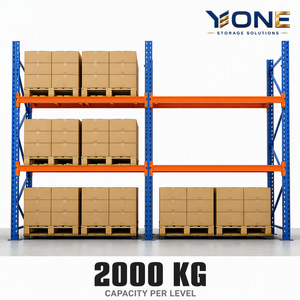
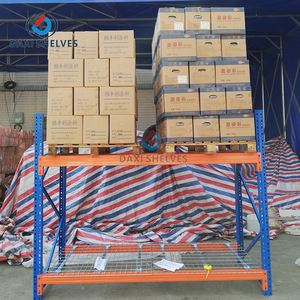
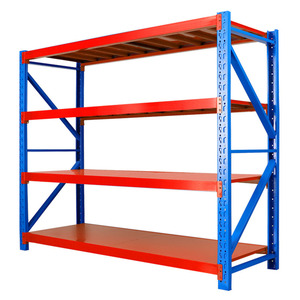

Structural Integrity, Metallurgy & Compliance Engineering
Designing static and dynamic industrial racking is a precise civil-structural engineering practice. We balance cold-rolled section elasticity, steel ductility, seismic accelerations, and live-load deflection margins.
In modern high-bay logistics, pallet storage racks are mission-critical load-bearing structural frameworks subject to high axial compression, lateral wind or seismic displacement, and concentrated cyclic fork-truck impact dynamics. Racking systems manufactured by Guangzhou Heda Shelves Co., Ltd. are fabricated under strict mechanical testing benchmarks conforming directly to AS 4084:2023 (Steel storage racking), European FEM 10.2.02 / EN 15512 standards, and American RMI (MH16.1) specifications.
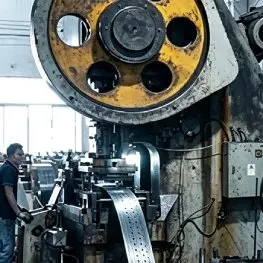
Material integrity begins at the atomic crystalline level: we utilize certified prime Q235B and Q355B hot-rolled structural steel strip, cold-formed through multi-stage rolling cassettes to produce omega-profile vertical uprights with uniform wall thickness and minimized residual manufacturing stress. Continuous punch patterns (50mm or 75mm increments) undergo FEA (Finite Element Analysis) stress-concentration mitigation, avoiding localized micro-fracturing along column web corners. When calculating beam deflection under uniform distributed loads (UDL), our engineers enforce a conservative deflection limit of $L/200$, preventing permanent plastic deformation and guaranteeing smooth pallet interface margins throughout multi-decade operating cycles.
| Storage System Type | Volumetric Density | Pallet Selectivity | Stock Rotation Strategy | Cost per Pallet Position | Ideal Industrial SKU Profile |
|---|---|---|---|---|---|
| Selective Pallet Racking | FIFO (First-In, First-Out) | Multi-SKU 3PL, FMCG, retail inventory with rapid turnover | |||
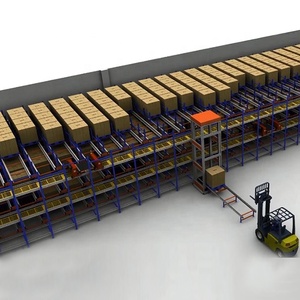
| Automatic Radio Shuttle | Configurable FIFO / LIFO | Cold rooms, bulk beverage, automated manufacturing lines | |||
| Drive-In / Drive-Through | Strictly LIFO (FIFO if Drive-Thru) | Cold chain meat/dairy, seasonal agricultural harvests | |||
| Push Back (Cart System) | LIFO Gravity Feed | Deep lane buffers, staging lanes, dynamic picking docks | |||
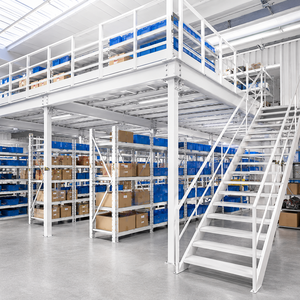
| Rack-Supported Mezzanine | Direct Manual Access | Automotive spares, e-commerce order sortation, apparel | |||
| Heavy Duty Cantilever | Unrestricted Frontal | Timber yards, structural steel tubing, PVC piping, gypsum sheets |
Future Procurement & Technological Trends Shaping 2025–2030
How tier-one global logistics operators, procurement directors, and warehouse architects are optimizing capital expenditures, total cost of ownership (TCO), and automated system compatibility.
1. Automation-Ready Hybrid Infrastructure
Global procurement is rapidly pivoting away from rigid, single-purpose static shelving. Warehouses must now be engineered with tighter vertical plumb tolerances (under 1:1000 deflection) to accommodate Autonomous Mobile Robots (AMRs), Automated Storage and Retrieval Systems (ASRS), and dynamic radio shuttles. Procuring OEM racking capable of transitioning from manual forklift loading to unmanned robotic shuttle automation protects capital assets from technological obsolescence.
2. Cold-Chain Densification & Energy TCO
Refrigerated and frozen distribution centers (-25°C to -30°C) represent the highest operating energy cost per cubic meter in the supply chain. Buyers are aggressively transitioning from conventional aisles to dense deep-lane shuttle racks, cutting wasted refrigeration overhead by up to 50%. Material specifications demand specialized low-temperature alloy formulations and embrittlement-resistant powder coatings to eliminate steel stress fatigue under extreme thermal contraction.
3. Seismic Engineering & Life Safety Regulations
Insurance underwriting mandates and stricter regional building codes across the Pacific Rim, Australasia (AS 4084 / NZS 1170.5), and the Americas have elevated seismic rack engineering. B2B buyers now mandate site-specific structural verification: oversize footplates, doubled mechanical or chemical slab anchor configurations, specialized base-isolation dampers, and reinforced vertical row spacer bracing capable of absorbing dynamic lateral kinetic resonance.
Engineering & Metallurgy Development Trends
Continuous R&D across our 30,000 m² production base drives enhanced load-to-weight ratios, modular interchangeability, and anti-corrosive longevity.
1. Finite Element Analysis (FEA) Profile Optimization: Legacy racking relied on oversized gauge thickness to compensate for crude roll-forming geometry. Our modern beam and upright designs utilize advanced non-linear FEA simulation to engineer complex cold-rolled multi-rib profiles. This geometry relocates structural stiffness toward the outer flanges, elevating torsional rigidity while decreasing unnecessary deadweight by 12–15%. This gives overseas clients reduced shipping container weights and lower landed ocean freight costs per pallet location.
2. Advanced Multi-Hook Connector Dynamics: Traditional racking relies on simple pin locks prone to shearing under forklift impacts. HEDA Shelves utilizes robotically welded 4-claw and 5-claw cold-stamped beam end connectors featuring a reverse-taper wedge lock. As downward pallet weight increases, the mechanical interlock wedges tighter into the column teardrop or diamond punching, effectively suppressing joint rotation and stiffening the overall structural grid against frame sway.
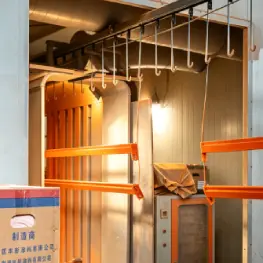
3. 10-Stage Surface Treatment & Eco-Friendly Electrostatics: To eliminate rust creep and coating delamination in high-humidity or marine-adjacent distribution facilities, our finishing lines deploy automated degreasing, ultrasonic cleaning, multi-stage acid pickling, zinc phosphating, and electrostatically applied thermo-hardened polyester powder coatings. The final cure delivers an impact-resistant, scratch-proof surface exceeding 500 hours of continuous salt-spray testing per ASTM B117 standards.
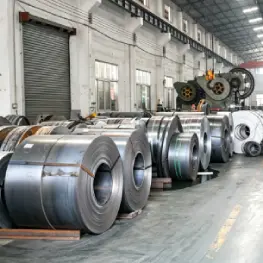
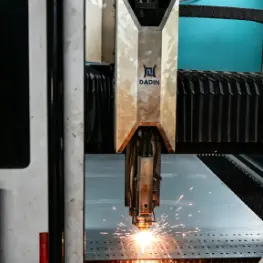
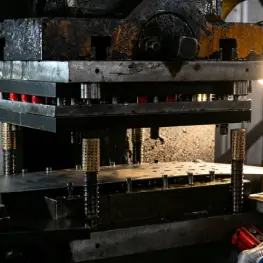
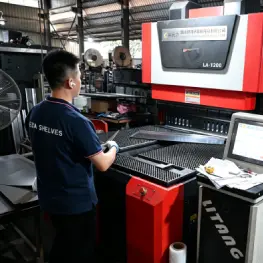
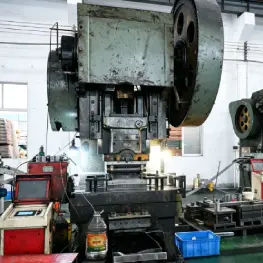
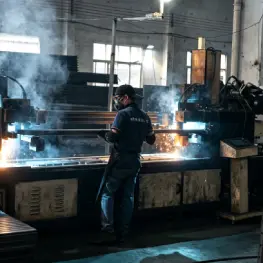
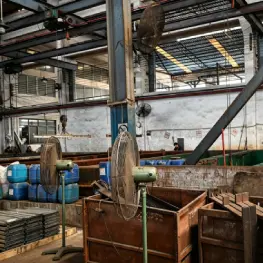
HEDA Shelves Certified 10-Stage Precision Manufacturing Workflow
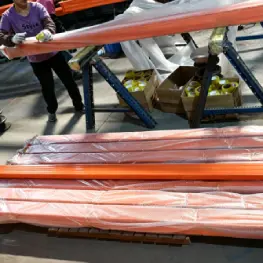
Guangzhou Heda Shelves Co., Ltd.
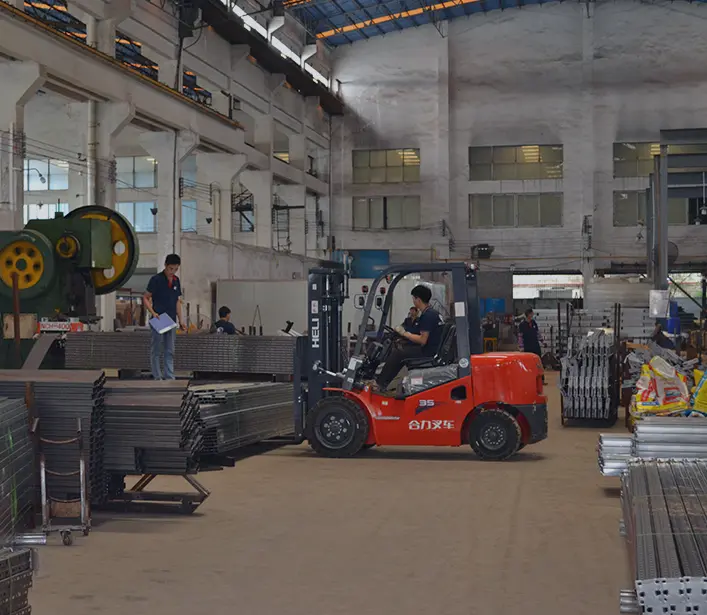
Established in 2001, HEDA Shelves has expanded into a global heavy-duty intralogistics manufacturer operating a 30,000 m² intelligent fabrication hub with over 300 experienced engineers, structural technicians, and export specialists.
-
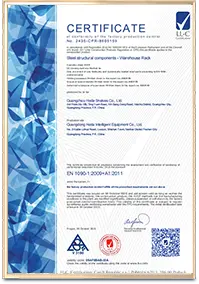
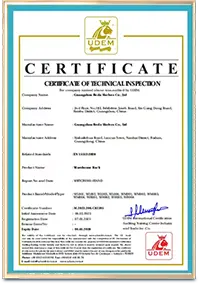
CE Certification Verified: Certificate No. 2435-CPR-8605159 confirming full European standard structural conformity.
-
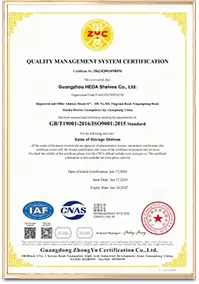
ISO 9001:2015 Quality Management: Certificate No. 18624Q00169R0M verifying end-to-end traceability from coil receipt to dispatch.
-
AS 4084 / NZS 1170.5 Compliance Packs: We generate independent PE structural section calculations, load plaques, and weld certificates for local council sign-off in Australia and New Zealand.
-
ISPM-15 & Biosecurity-Compliant Packaging: Heavy-gauge steel stillages or heat-treated timber dunage that clears Australian DAFF and NZ MPI biosecurity inspections without costly port-side fumigation delays.
-
Direct OEM/ODM Branding: Custom color powder coatings (RAL palette match), laser-cut customer brand logos, and customized packaging for regional distributor resale.
Frequently Asked Technical & Operational Questions
Everything global procurement officers, general contractors, and warehouse managers need to know about purchasing, shipping, structural engineering, and installation.
1. Can you supply structural calculations and engineering sign-off for AS 4084 (Australia) or seismic codes (New Zealand NZS 1170.5)?
2. What information is required to receive a full 3D CAD layout and quotation?
1. Architectural floor plan (DWG or PDF): Building length, width, column grid spans, door locations, and fire exits.
2. Clear ceiling height: Distance to the lowest obstruction (sprinklers, HVAC ducts, lighting fixtures, roof haunches).
3. Pallet load specifications: Dimensions (e.g., 1165x1165mm Australian standard, 1200x1000mm ISO, 1200x800mm Euro), maximum gross load weight per pallet, and overhang margins.
4. Material handling equipment: Forklift make/model, maximum mast lift height, minimum turning radius, and right-angle stack aisle width requirements.
3. How does HEDA Shelves manage biosecurity, pest control, and fumigation for customs inspection?
4. What are typical factory lead times and ocean transit durations for bulk OEM orders?
5. Can you accommodate private labeling, custom RAL colors, and distributor OEM partnerships?
6. How do you guarantee beam load capacity and eliminate connection deflection?
Initiate Your Engineered Warehouse Project
Our in-house structural engineering department generates full 3D CAD spatial layouts, optimized pallet capacity models, and verified structural calculations within 24 to 48 hours. Submit your floor plan or schedule an engineering consultation today.
Instant Project Consultation
Connect directly with our senior application engineering group to review building parameters, seismic demands, and OEM pricing.
Get a Quote