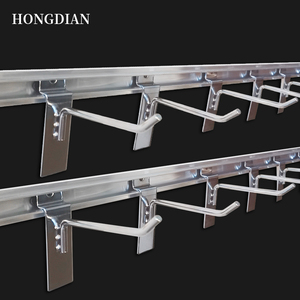
 Retail & Shop
HONGDIAN Wall-Mounted Hook Display Racks For Supermarkets
Perforated modular upright panels engineered for convenience stores and hypermarket fast-moving consumer goods merchandising.
Precision-machined roll-formed profiles, engineered brackets, and structural wall mountings built to international compliance protocols.
Retail & Shop
Perforated modular upright panels engineered for convenience stores and hypermarket fast-moving consumer goods merchandising.
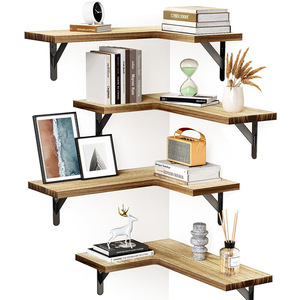 Commercial Bath
Anti-corrosive powder finish designed for hospitality and luxury residential projects demanding concealed load-bearing anchors.
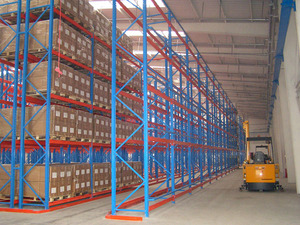 Heavy Logistics
Engineered nested cart systems integrating wall-tied anchor columns for maximum volumetric utilisation in cold storage warehouses.
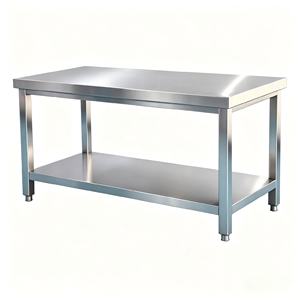 Industrial Clean
Sanitary grade SUS304 fabrication featuring reinforced undershelves, heavy-gauge perimeter rails, and adjustable leveling feet.
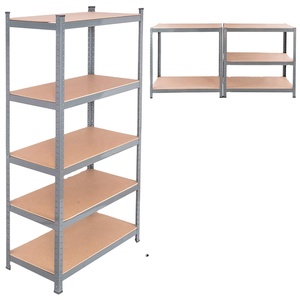 Workshop Spec
Keyhole lock interlocking column profile engineered for rapid assembly in maintenance bays, toolrooms, and utility facilities.
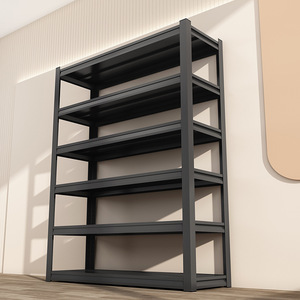 Ceiling/Wall Hybrid
Lightweight aviation alloy with high strength-to-weight matrix, corrosion-resistant chrome passivation, and ceiling/wall mount adaptors.
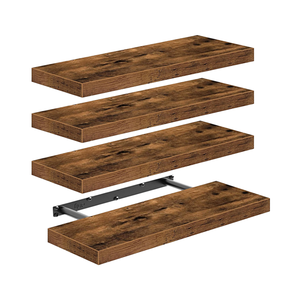 Hybrid Material
Commercial retail boutique display merging solid engineered timber panels with concealed laser-cut structural steel wall studs.
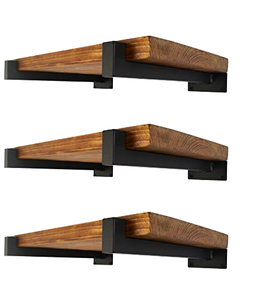 Utility Wood-Core
Sustainably sourced, kiln-dried structural wood components paired with cold-rolled steel bracing brackets for institutional storage applications.
Procuring wall-mounted racking assemblies for large-scale logistics operations, high-throughput retail stores, or commercial warehousing demands a comprehensive structural assessment that extends beyond simple cosmetic visual specs. Unlike freestanding selective pallet racks, wall-mounted and wall-tied racking systems transfer dynamic horizontal shear loads and rotational cantilever forces directly into structural building columns and civil masonry walls.
In high-density industrial contexts, structural integrity depends on the interaction between cold-formed roll profiles (often manufactured using Q235B or high-yield Q355B structural steel) and the load distribution plates anchored to concrete pilasters. Overlooking anchor shear ratings, concrete compressive strengths (PSI ratings), or steel yield variations can lead to catastrophic deflection under uniform distributed loads (UDL).
Modern B2B buyers now mandate digital load-stress simulations to detect point-load deflection before cutting steel. Certified factories run FEA models simulating dynamic pull-out torque on wall mounts under 125% operational overloads.
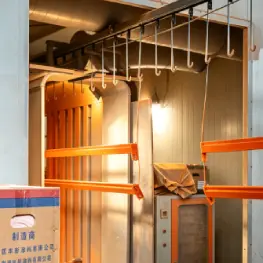
Environmental directives like RoHS and REACH are pushing manufacturing away from traditional heavy-metal phosphatising. Advanced factories now use non-toxic zirconium multi-stage pretreatments paired with TGIC-free thermoset powder coats.
In geologically active zones across Australasia, Japan, and the Americas, compliance with NZS 1170.5 and AS 4084 requires ductile slotted uprights and slotted base anchor connections designed to absorb lateral wave oscillations without bracket shearing.
Cross-reference material certifications, tensile capacities, and compliance benchmarks for heavy-load warehouse and commercial wall racking.
| Rack Type & Subsystem | Core Material Grade | Tensile Yield (MPa) | Max Load per Arm / Bay | Standards Compliance |
|---|---|---|---|---|
| Heavy Wall-Mounted Cantilever | Q235B / Q355B Hot-Rolled | ≥ 355 MPa | 800 kg – 2,500 kg / level | AS 4084, EN 15512, CE |
| Modular Retail Perforated Upright | Cold-Rolled SPCC Sheet | ≥ 215 MPa | 120 kg – 300 kg / tier | ISO 9001:2015, RoHS |
| Integrated Mezzanine Wall-Ties | Grade 50 Structural Steel | ≥ 345 MPa | 300 kg – 1,000 kg / m² | AISC 360, AS/NZS 4600 |
| Boltless Industrial Garage Shelving | Cold-Bent Profiled Coil | ≥ 235 MPa | 250 kg – 600 kg / shelf | FEM 10.2.02 Compliant |
| Sanitary Stainless Wall Stanchion | AISI 304 / 316 Marine Spec | ≥ 205 MPa | 180 kg – 450 kg / section | NSF / ANSI Standard 2, CE |
Eliminating intermediary distributors saves up to 28% in procurement spend while giving buyers direct engineering communication for bespoke bay designs.
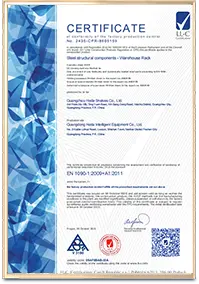
Audited material certificates (MTRs) mapped back to original coil batches protect contractors from compromised metallurgy or premature shelf failure.
Full ISPM-15 compliant heat-treated crating and dedicated steel stillages avoid costly fumigation stops at Australian DAFF and NZ MPI checkpoints.
Leveraging regional bilateral trade agreements (e.g., ChAFTA) through factory-issued Certificates of Origin yields significant duty-free advantages.
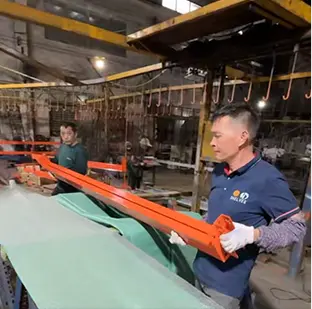
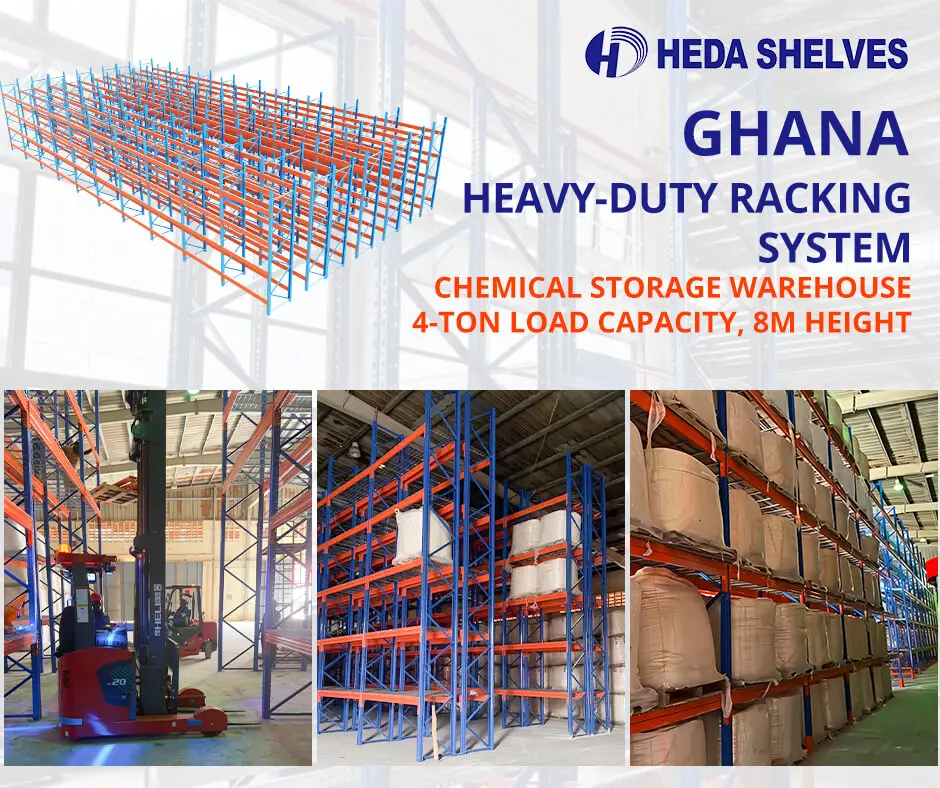
Founded in 2001, Guangzhou Heda Shelves Co., Ltd. operates a high-capacity 30,000 m² production facility powered by over 300 experienced engineers, cold-forming technicians, and certified installation planners. With an automated manufacturing capacity exceeding 30,000 tons per month, we design and produce high-performance selective, cantilever, push-back, drive-in, mezzanine, and precision wall-mounted storage configurations for commercial and industrial clients worldwide.
Essential technical, structural, and shipping guidelines for engineering teams procuring wall-mounted racking assemblies.
Pull-out tensile force (T) is calculated based on cantilever beam arm length (L), total load applied (W), and the vertical distance (h) between the upper and lower anchor bolts: T = (W × L) / h. Our engineering division provides certified calculation schedules with safety factors of 2.0 to 2.5, helping your structural engineers verify slab and wall anchoring safely.
Yes. All Heda Shelves structural components reference AS 4084 (Steel Storage Racking) criteria. We supply full section property datasheets, material stress graphs, and load capacity tables so registered local Australian structural engineers can sign off on your site installation.
For standard dry interiors, a 60–80 micron electrostatic epoxy-polyester powder coat works well. In high-humidity coastal ports, walk-in coolers, or corrosive chemical rooms, we recommend hot-dip galvanising (HDG to ISO 1461, yielding 85+ microns zinc depth) or marine-grade SUS316 stainless steel assemblies.
Standard fabrication runs take 15 to 22 business days depending on profiling volumes and custom powder shades. Ocean transit from Guangzhou or Shenzhen to Pacific/Australasian ports (Sydney, Melbourne, Auckland) runs roughly 14 to 24 days, while European hubs take 28 to 35 days.
Beams, shelves, and upright columns are bundled on dedicated custom steel stillages, protected with corner edge-guards, bubble-wrapped, and sealed with moisture-resistant poly film. Container desiccant bags are installed to prevent salt-fog condensation and transit white-rust during long ocean crossings.
To run your layout, our design office needs: architectural floor plans with pillar and dock locations, clear ceiling heights under lights or sprinkler lines, wall construction details (tilt-up concrete, brick, or stud), unit load sizes (width, depth, height), and total target SKUs. We typically turn around a full 3D CAD schematic within 24 hours.
Connect with our technical design office today. Request a free 3D CAD proposal, structural load assessment, or factory-direct price schedule for your next logistics development project.
Send an Inquiry