Top 10 Warehouse Racking Solutions Manufacturers & Supplier
An authoritative technical guide on structural load integrity, seismic certifications (AS 4084 / FEM / RMI), automation readiness, and strategic procurement frameworks for global high-bay distribution centers.
Strategic Sourcing Directive
Engineering High-Density Spatial Efficiency in Volatile Global Supply Chains
Modern warehousing operations face unprecedented industrial real estate escalations, driving the imperative to exploit vertical cubic volume rather than horizontal square footage. Selecting the proper warehouse racking partner requires evaluating cold-formed structural integrity, steel tensile properties (such as Q235B to Q355B grades), robotic throughput integration (ASRS/AMR), and adherence to multinational safety mandates including Australian AS 4084, European EN 15512, and American ANSI MH16.1 standards.
Product Solutions Directory
Engineered Racking Systems & Heavy-Duty Structural Assemblies
Explore our certified, precision-manufactured storage assemblies engineered for diverse SKU velocities, weight thresholds, and mechanical material handling vehicles.
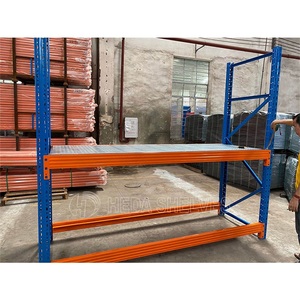
Cold-rolled box beam engineering with welded 3-claw connectors. Tailored for Australian 1165×1165mm and Euro 1200×800mm pallets with maximum deflection control under L/200 criteria.
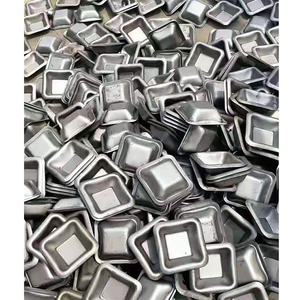
Precision-stamped heavy-gauge cup feet engineered for nesting posts. Provides self-locating alignment, ensuring dynamic forklift transport stability and post rigidity up to 4 layers high.
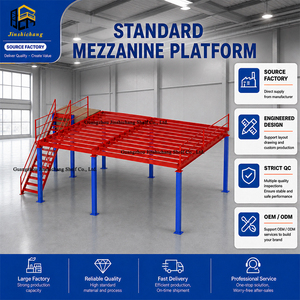
Heavy structural universal column (UC/UB) construction with custom decking options (perforated steel, durabar, or composite timber). Increases usable floor space by 100% to 200% without new civil construction.
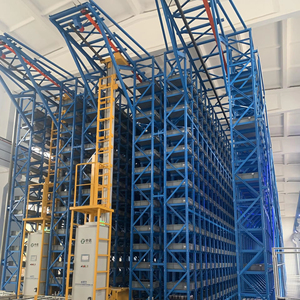
High-precision manufactured rack tolerances compatible with automatic stacker cranes, miniload units, and AMR shuttles. Integrates with enterprise WMS/WCS for continuous 24/7 uncrewed picking.
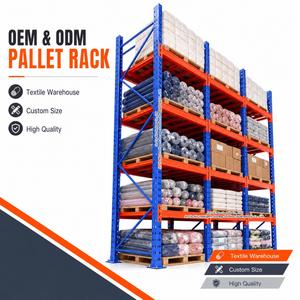
Engineered with high-tensile continuous roll-formed omega uprights. Supports substantial rolled-fabric rolls, raw industrial materials, and dense bulk cargo with up to 3500kg per level capacity.
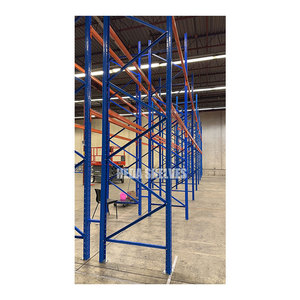
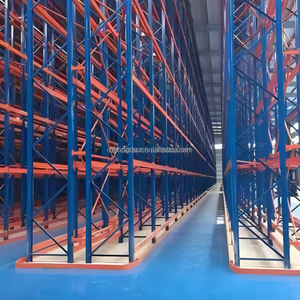
Aisle widths compressed down to 1.6m-1.8m utilized with turret trucks or wire-guided reach machines. Reclaims 45% of floor space while maintaining unrestricted 100% pallet accessibility.
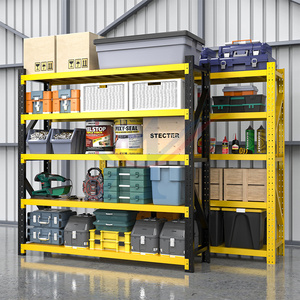
Boltless assembly mechanism with 50mm pitch height adjustments. High-adhesion electrostatic powder coating designed for durability in hardware sorting, automotive maintenance, and parts depots.
Why Global Supply Chain Leaders Partner With HEDA Shelves
Direct factory manufacturing capacity combined with multinational structural engineering rigor eliminates broker markups, mitigates compliance liability, and ensures flawless site installations.
Compliant Engineering (AS 4084 / FEM / RMI)
Our structural design team produces complete calculation packages verified against regional building codes. For Australian and NZ sites, our designs account for AS 4084-2023 requirements and NZS 1170.5 seismic factors, providing licensed engineers with clean load tables, section properties, and anchorage sign-off packages.
Complimentary 3D CAD & BIM Layouts in 24h
Avoid expensive operational bottlenecks before cutting steel. Submit your site perimeter, column centerlines, clear ceiling heights, and forklift turn radius profiles. Our CAD team renders optimized floor layouts, flue-space configurations, and picking travel paths to maximize warehouse volumetric density.
Traceable Certified Quality (CE & ISO 9001)
HEDA operates under certified ISO 9001:2015 management (Certificate No. 18624Q00169R0M) and rigorous CE Execution Class standards (CE No. 2435-CPR-8605159). Mill test certificates accompany each raw steel coil batch to verify yield strength, tensile resilience, and strict chemical composition.
End-to-End Surface Pretreatment Lines
Racking longevity depends on coating adherence. Our 10-stage automated finishing includes high-temperature degreasing, acid pickling, rust removal, zinc phosphating, and electrostatic powder curing. For exterior timber yards or coastal high-humidity settings, we deliver heavy-duty hot-dip galvanizing.
Strict Biosecurity & Export Packaging
Ocean shipments face harsh marine moisture and strict customs quarantine. All components are packed on dedicated structural steel stillages or ISPM-15 heat-treated certified timber. Shipments include full customs packs (ChAFTA, Form E, COO) to eliminate port detention risks.
Turnkey Global Project Commissioning
From pre-numbered beam components matched to architectural CAD sheets to step-by-step 3D assembly animations, our export kits minimize onsite erection hours. We offer remote installation supervision or deploy dedicated engineering crews for large-scale multi-tier mezzanines.
Industry White Paper Analysis
Future Trends in Warehouse Racking: The 2026–2030 Horizon
Procurement directors are balancing long-term asset life with shifts in supply chain design. Understanding future trends helps ensure your racking infrastructure investments remain resilient.
1. Convergence of Static Racking and Autonomous Mobile Robots (AMRs)
The standard warehouse layout is evolving from dedicated wide-aisle forklift operations toward hybrid spaces where automated guided vehicles (AGVs) and AMRs work alongside structural steel framing. This shift requires tighter manufacturing tolerances:
Tighter Deflection & Plumb Tolerances
Robotic optical systems require beam level tolerances tighter than the traditional 1/200 deflection limits. Future racking designs demand mill-level beam straightness to prevent laser guidance read errors.
Sub-Floor Baseplate Engineering
Seismic anchoring must coordinate with robot transit pathways, requiring countersunk anchor systems, flush baseplates, and reinforced floor guidance channels.
2. Green Steel Mandates & Lifecycle Decarbonization
Global Scope 3 emission targets are driving commercial real estate developers and institutional logistics operators to favor manufacturers with verifiable environmental credentials:
Transition to Low-Carbon EAF Steel: Utilizing electric arc furnace (EAF) production lines with higher scrap-metal ratios to reduce the embodied carbon of structural uprights.
Zero-VOC Powder Polymerization: Phasing out solvent-borne paints in favor of closed-loop electrostatic powder systems that reclaim and reuse 98% of overspray.
Circular Re-Usability Architecture: Specifying modular teardown connectors and reconfigurable beam slots that allow facilities to adapt layout heights without structural welding.
Procurement Due Diligence
Essential Criteria for Vetting Global Racking Manufacturers
Sourcing directly from overseas manufacturing facilities can yield 25%–40% cost efficiencies. However, mitigating operational and structural risk requires evaluating five non-negotiable procurement elements:
1. Steel Grade Verification vs. Advertised Gauge
Do not evaluate suppliers solely on profile wall thickness (e.g., 1.5mm vs. 2.0mm). Low-tensile steel roll-formed to 2.0mm can yield under lower dynamic stress than high-strength Q355B micro-alloyed structural steel at 1.8mm. Always demand original Mill Test Certificates (MTC) stating verified yield strength (Reh ≥ 355 MPa) and ultimate elongation percentages.
2. Regional Seismic Zone Engineering Packages
A racking structure functions as an unbraced or braced steel frame carrying dynamic live loads during ground accelerations. When specifying racks for earthquake-prone regions such as New Zealand (NZS 1170.5), coastal California, or Japan, confirm the supplier can calculate ductility factors, dynamic base shear, and supply oversized footplates with verified Hilti or Fischer chemical anchor patterns.
3. Packaging Integrity & Biosecurity Compliance
Improper export staging causes corrosion and physical damage during transpacific transit. Confirm your manufacturer uses custom steel-stillaged framing, water-resistant wrapping, and certified ISPM-15 treated dunnage. This eliminates clearance delays and costly fumigation penalties from agencies like Australia's DAFF or New Zealand's MPI.
4. Independent Third-Party Load Certification
Insist on structural verification by independent agencies (such as SGS, TUV, or Bureau Veritas). Reputable suppliers publish unedited test reports documenting destructive upright compression tests, beam connector shear tests, and cyclic weld endurance data.
Clear Technical Answers
Frequently Asked Questions on Heavy-Duty Racking Procurement
Direct technical answers to common questions from warehouse managers, logistics engineers, and project procurement teams.
How does HEDA ensure compliance with regional codes like Australian AS 4084-2023 or European EN 15512?
Our in-house structural engineering department builds each racking design directly from the design principles of the relevant standard. For Australian projects, we design in accordance with AS 4084-2023 ("Steel storage racking"), providing verified frame capacity curves, beam deflection limits calculated under working loads (≤ L/200), and baseplate thickness dimensions. For European installations, we produce EN 15512 static calculations. We supply all component section properties and load calculations so your registered local engineer can sign off and issue building certifier permits without structural friction.
What is the standard production timeline and ocean transit lead time for overseas container shipments?
Standard manufacturing duration at our 30,000 m² Guangzhou production facility is typically 15 to 22 business days, depending on custom color selections and total tonnage. Ocean freight to primary Oceania terminals (Sydney, Melbourne, Brisbane, Fremantle, Auckland, Tauranga) requires 14 to 24 sea days. West Coast US ports (Los Angeles/Long Beach) average 16 to 20 days, while European hubs (Rotterdam, Hamburg) average 28 to 35 days. Complete tracking details and clean ocean bills of lading are issued promptly upon departure.
What documentation and certifications are provided for local site inspectors and customs clearance?
Every export shipment includes a complete quality and customs pack: verified Mill Test Certificates (MTC) detailing steel chemical and physical metrics, certified ISO 9001:2015 and CE conformance declarations (CE No. 2435-CPR-8605159), commercial invoices, detailed container packing lists with item-by-item weights, and official Certificates of Origin (Form E or ChAFTA). These documentation sets support preferential duty treatment and help satisfy local council and safety inspectors.
Can HEDA accommodate customized seismic load configurations for locations in active earthquake zones?
Yes. Seismic engineering is a regular requirement for our engineering department. By working with the site-specific spectral acceleration data (Ss, S1) or regional seismic zone criteria (such as NZS 1170.5 for New Zealand), we re-engineer standard framing to resist lateral forces. This includes upgrading upright profile dimensions, incorporating heavy welded baseplates, specifying double-anchor patterns, and engineering heavy cross-aisle and spine bracing towers to absorb and dissipate lateral ground motion without rack collapse.
What specific details are required to generate an accurate 3D layout and firm price quote?
To generate an optimized 3D CAD design and engineering quotation, our team needs: (1) An architectural warehouse plan indicating wall dimensions, column centers, roll-up doors, and dock locations; (2) Clear internal height under the lowest roof obstruction, light fixture, or sprinkler head; (3) Pallet specifications (width, depth, overall height including cargo overhang, and gross weight); (4) Material handling equipment models, mast heights, and minimum turning radius; and (5) Specific operating requirements (such as strict FIFO rotation, batch-picking lanes, or cold-store temperature zones).
Get A Factory-Direct Engineering Consultation
Request Your Free 3D CAD Warehouse Optimization Layout
Submit your warehouse floor plans and operational parameters today. Our senior structural design engineers will provide an optimized layout, capacity calculation, and detailed factory-direct quotation within 24 hours.