Engineered Heavy-Duty Shelving & Pallet Rack Solutions
Precision-fabricated utilizing premium cold-rolled Q235B/Q355B structural steel, rigorously tested to withstand cyclic fatigue, static load extremes, and demanding forklift intralogistics environments.
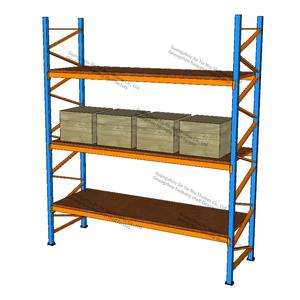 Cold Room Ready
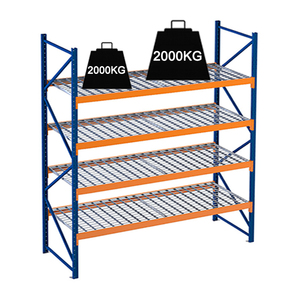 1000 - 3000 KG / Tier
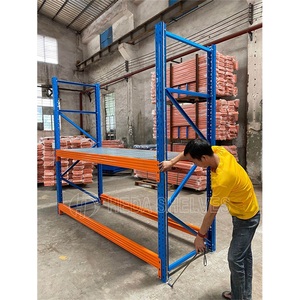 1000 - 3000 KG / Layer
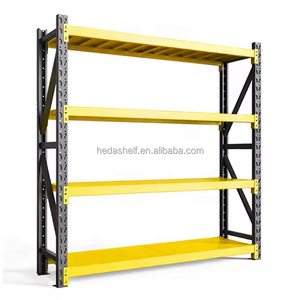
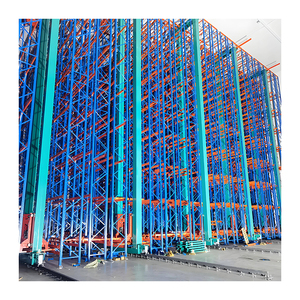 3000 KG Semi-Auto
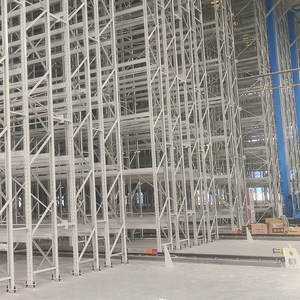 1000 KG Pallet System
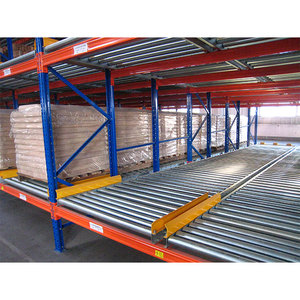 2000 KG Dynamic FIFO
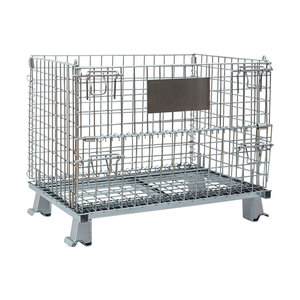 1000 KG Rigid Mesh
Top 10 Global Warehouse Shelving & Pallet Racking Manufacturers: Sourcing Benchmark
Modern warehouse logistics is defined by supply chain velocity, volatile real estate lease expenses, and the transition toward automated material handling. Deciding on an industrial racking factory requires engineering diligence far beyond comparing metric tonnage pricing. The global landscape of warehouse shelving and industrial storage systems features top-tier tier-1 manufacturers in North America, Europe, and Asia. When evaluating the Top 10 Warehouse Storage Shelving Factories & Exporters, global procurement officers and 3PL asset developers benchmark suppliers against strict finite element analysis (FEA) standards, certified yield strength, and structural compliance frameworks.
Leading global manufacturers including Dexion, SSI Schaefer, Stow Group, Mecalux, Interlake Mecalux, Nedcon, HEDA Shelves, AR Racking, Bito, and Jungheinrich dominate the modern intralogistics frontier. While Western European and North American integrators represent established domestic installations, leading international tier-1 exporters such as Guangzhou Heda Shelves Co., Ltd. (HEDA Shelves) have achieved market parity by bridging high-precision European engineering principles with advanced, cost-effective rolling and punching automation. This balance allows high-volume distribution centers across Australia, New Zealand, North America, and Southeast Asia to procure high-yield cold-rolled steel racking directly from source factories.
Strategic Engineering Metric: Global standards mandate that storage racks must sustain not only static live and dead loads but also dynamic seismic accelerations, upright forklift impact vectors, and harmonic vibrations without structural collapse. Sourcing from factories that lack certified steel tensile verification invites systemic liability under Australian AS 4084, European EN 15512, and American RMI MH16.1 codes.
| Evaluation Parameter | Top-Tier Global Exporters (e.g., HEDA Shelves) | Generic Commodity Fabricators | Critical Sourcing Impact |
|---|---|---|---|
| Steel Grade Verification | Certified Q235B / Q355B with mill tensile test certs | Uncertified secondary recycled coils, mixed scrap | Prevents sudden beam buckling under peak tonnage |
| Manufacturing Tolerances | Continuous profile roll-forming (±0.5mm variance) | Manual brake press folding, uneven pitch gaps | Guarantees seamless vertical connector wedge locking |
| Seismic Engineering | Finite Element Analysis (FEA) for NZS 1170.5 & AS 4084 | Static load tables only, no horizontal shear analysis | Mitigates legal and life-safety catastrophic failures |
| Finishing & Chemistry | 8-stage pickling, phosphating, electrostatic powder | Single-stage flash dip paint with low micron depth | Eliminates micro-flaking and subsurface rust in cold stores |
| Export Packaging & Biosecurity | Rigid steel stillages / ISPM-15 heat-treated dunnage | Loose bundling with non-compliant unbarked wood | Guarantees zero port fumigation penalties or DAFF/MPI delays |
Enterprise Authority: Why Leading Operators Source Directly from HEDA Shelves
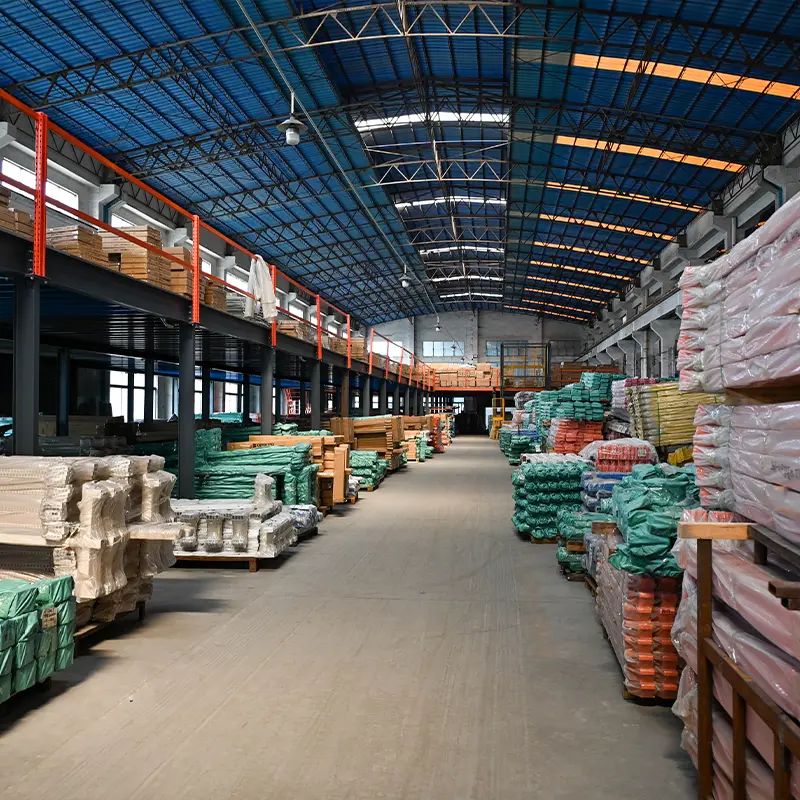
Founded in 2001 and headquartered in Guangzhou, China, Guangzhou Heda Shelves Co., Ltd. has spent 25 years establishing itself as an engineering-driven powerhouse in warehouse racking manufacturing. Spanning a specialized 30,000-square-meter facility with a monthly production run reaching 30,000 tons of cold-rolled profiles, HEDA Shelves operates as an original equipment manufacturer (OEM) and joint-design manufacturer (ODM) for Fortune 500 retailers, global Third-Party Logistics (3PL) conglomerates, and regional trade racking importers.
Precision Manufacturing Built on Verified Quality Systems
Our facility holds formal CE Certification (No. 2435-CPR-8605159) and ISO 9001:2015 Quality Management System Certification (No. 18624Q00169R0M), assuring strict conformity across raw materials, automated roll-forming, laser profiling, and welding. Racking systems deployed to Australia and New Zealand are designed in accordance with AS 4084 structural guidelines and verified against NZS 1170.5 seismic site requirements.
- 300+ Skilled Engineers & Technicians
- Free 3D CAD/BIM Layouts in 24 Hours
- Complete ChAFTA & Form E Export Documentation
- ISPM-15 Certified Timber & Custom Steel Cradles
10-Stage Closed-Loop Production Ecosystem
Quality assurance at HEDA Shelves is integrated directly into manufacturing operations. Every structural beam, teardrop upright column, diagonal brace, and footplate passes through ten coordinated fabrication stages:
Strategic Procurement Trends Shaping Warehouse Racking (2026–2030)
Industrial facility procurement is pivoting from transactional component purchasing to structural systems integration. Global economic pressures, industrial land price increases, and accelerated fulfillment SLAs are transforming how commercial storage projects are engineered and procured.
Cubic Density Optimization
Rising land values require higher vertical builds. Facilities are replacing standard wide-aisle configurations with Very Narrow Aisle (VNA) systems, four-way radio shuttle channels, and multi-tier picking mezzanines that boost cubic space efficiency by over 60%.
Automation Compatibility (ASRS)
Modern cold-rolled uprights must support the tight structural tolerances required by autonomous mobile robots (AMRs), automatic stacker cranes, and automated guided vehicles (AGVs), demanding mill-grade dimensional precision across long beam spans.
Container Freight Optimization
Freight charges impact landed unit economics. Strategic buyers prioritize manufacturers who utilize custom CAD nesting models, specialized shipping stillages, and knock-down sub-assemblies to maximize shipping cube volume and prevent transport damage.
Technical Evolution in Structural Cold-Formed Racking
Modern steel storage racks are specialized structural engineering systems. Recent innovations in micro-alloyed cold-rolled steel, closed box-beam profiling, and automated powder finishes have substantially elevated structural performance across harsh warehouse environments:
1. Finite Element Analysis (FEA) and Seismic Damping: Traditional load calculation tables have been replaced by advanced software simulations. In seismic regions like New Zealand and the Pacific Rim, rack assemblies are modeled to account for ground acceleration waves, baseplate ductility, and row-spacer elasticity under NZS 1170.5 standards. This engineering design prevents rack harmonic amplification and keeps loaded pallets from dislodging during tremor events.
2. Advanced Protective Surface Coatings: In sub-zero cold rooms (-30°C) and humid coastal logistics facilities, standard paint finishes degrade and peel. Leading manufacturing now deploys automated multi-stage pre-treatments followed by thermoset architectural-grade polyester coatings, or full hot-dip galvanization (HDG). These treatments resist moisture penetration, acidic atmospheric exposure, and physical abrasions from repetitive forklift operations.
3. Beam Connector Wedge Locking: The transition from basic bolt-secured shelves to multi-claw drop-in connectors has cut installation hours while reinforcing joint rigidity. High-strength spring safety pins ensure that upwards forklift pallet miscalculations do not detach beams from their upright columns.
Comprehensive Warehouse Racking Procurement FAQ
Direct responses to critical engineering, logistics, and compliance inquiries encountered by procurement executives and supply chain engineers when sourcing factory-direct storage systems.
How do we verify AS 4084 compliance for imported racking in Australia?
Our engineering team designs racking systems according to AS 4084-2023 principles. We provide detailed structural section properties, moment connection values, weld certifications, and layout calculation packages. This complete documentation enables your locally certified structural engineer to review, sign off, and issue safe working load capacity plaques for statutory workplace health and safety compliance.
Can you engineer racking for high-risk New Zealand seismic zones?
Yes. Utilizing your site-specific seismic coefficient data (soil class, subsoil ductility, Importance Level per NZS 1170.5), we adapt frame upright gauges, add heavy-duty diagonal brace configurations, specify oversized structural baseplates, and calculate heavy-duty chemical anchoring depths to resist seismic shear forces.
How are import biosecurity (DAFF/MPI) and fumigation rules handled?
We prevent costly biosecurity holding delays by using custom welded steel stillages for beam and upright bundles. When timber dunnage or skids are required, we source exclusively heat-treated timber bearing authenticated ISPM-15 stamps, verified by phytosanitary certificates, packing lists, and manufacturer declarations.
What is the typical shipping timeline from South China to major ports?
Ocean transit times from our Guangzhou manufacturing facility directly to major container terminals (Sydney, Melbourne, Brisbane, Fremantle, Auckland, Tauranga, Los Angeles, Rotterdam) range from 14 to 28 days depending on the steamship carrier and direct routing. Typical custom production runs average 15 to 25 business days.
What site data is required to generate a custom 3D CAD racking layout?
To provide an optimized CAD blueprint and quotation within 24 hours, our engineering desk needs: (1) warehouse architectural dimensions with column and doorway placements, (2) clear internal building height to obstructions, (3) pallet footprint, overhang, and gross weight, and (4) forklift turning radius (AST) and maximum mast reach.
How does HEDA Shelves support third-party installation teams on site?
Every shipment features color-coded tags and component part numbering linked directly to our comprehensive installation manual and CAD erection drawings. We supply bolt torque specifications, frame assembly alignments, plumb tolerance standards, and on-demand video conferencing support for your local mechanical installation contractor.