Strategic Procurement Brief: Engineering Integrity & Supply Chain Resilience
Modern warehousing, cross-docking distribution facilities, and third-party logistics (3PL) hubs demand rigorous structural durability, precise floor-space optimization, and full seismic resilience. As a premier industrial shelving units manufacturer with over two decades of metallurgical and structural roll-forming excellence, our systems are engineered in reference to international criteria including AS 4084 (Steel Storage Racking), FEM 10.2.02, and RMI standards.
Selecting the right industrial shelving units supplier is no longer merely a unit-cost transaction; it is a critical capital infrastructure decision. Structural integrity hinges on superior steel metallurgy (high-yield cold-rolled steel grades Q235B and Q355B), standardized upright perforation consistency, electrostatic powder coating longevity, and automated welding fidelity. Whether configuring multi-level selective racks, high-density drive-in systems, or dynamic conveyor channels, our engineering department delivers 3D structural CAD layouts and load factor validations tailored to your exact floor plan, forklift radius, and pallet specifications.
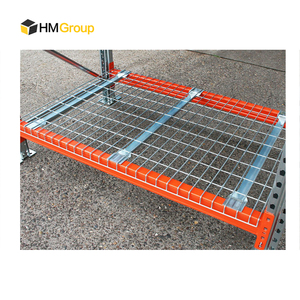
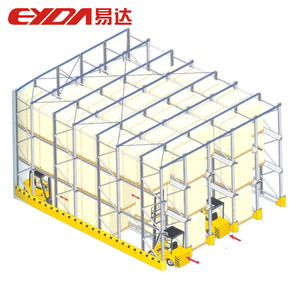
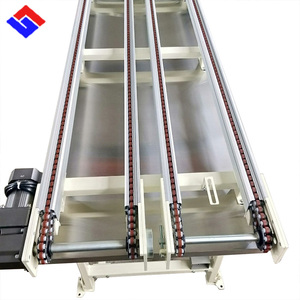
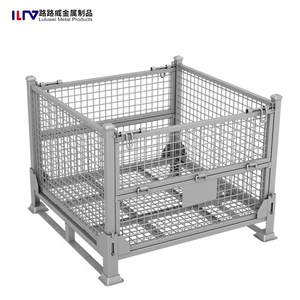
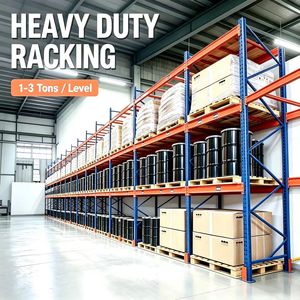
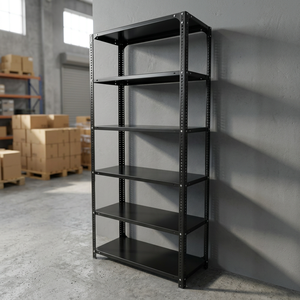
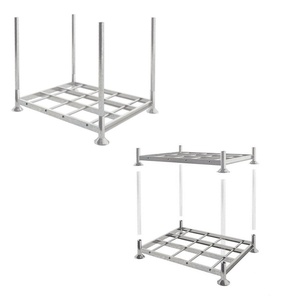
Featured Industrial Shelving & Racking Configurations
Engineered for extreme dynamic loads, high-density inventory rotation, and industrial safety compliance. Review our core high-capacity storage modules below.
Global Procurement Trends Shaping Industrial Shelving
Strategic supply chain directors are aligning capital allocation with long-term technological adaptability, environmental compliance, and total lifecycle value.
Shift Toward High-Density Automation Readiness
Traditional static shelving is transitioning toward hybrid racking architectures capable of receiving Autonomous Mobile Robots (AMRs), automatic guided shuttles, and narrow aisle (VNA) automated cranes. Global buyers now mandate strict deflection tolerances (L/200 or lower) and laser-calibrated plumbness during initial tender specifications to prevent expensive rack reconstruction when deploying automated pallet runners later.
Lifecycle Total Cost of Ownership (TCO) Prioritization
Rather than focusing entirely on initial FOB steel tonnage pricing, supply managers evaluate corrosion protection lifespan, upright column impact absorption, and standardization of interchangeable parts. Advanced multi-stage pickling, phosphating, and TGIC-free electrostatic polyester powder coatings minimize field maintenance cycles in high-humidity littoral environments, ensuring an extended operating lifespan across decades.
Standardized Seismic Verification & Traceability
Industrial logistics developers across Australasia, North America, and the European Union enforce strict certified documentation. Tenders now require mill material test reports (MTRs), cold-formed steel section properties, finite element analysis (FEA) under site-specific ground acceleration (e.g., AS 1170.4 or NZS 1170.5), and traceable ISO 9001 quality audits from the primary mill to container dispatch.
Structural & Material Advances in Industrial Racking Systems
From smart IoT structural telemetry to advanced roll-formed geometry, technological innovation is maximizing vertical cube efficiency and operating safety.
Next-Generation Roll-Forming Engineering and Automated Intralogistics
The structural efficacy of industrial shelving units has advanced substantially through computerized continuous cold roll-forming. Upright columns now feature multi-bend closed-omega or continuous-rib profiles that dramatically increase buckling resistance under high axial compression without introducing excess deadweight. Furthermore, precision CNC robotic welding lines eliminate thermal stress zones at beam-to-end-connector joints, ensuring ductile behavior and predictable seismic dissipation during dynamic ground motion.
Simultaneously, the intralogistics frontier is experiencing rapid adoption of integrated sensor technologies. Structural strain gauges, infrared beam-deflection monitors, and RFID pallet positioning tags are being embedded directly into rack uprights and dynamic gravity-flow channels. These systems deliver real-time collision alerts to warehouse management software (WMS) when a reach truck impacts an upright protector, shifting maintenance protocols from reactive spot repairs to predictive structural integrity management.
Green supply chain compliance has also stimulated the development of low-carbon, circular steel racking. By partnering with audited steelmakers employing electric arc furnaces (EAF) and utilizing high-solids, low-VOC powder finishes cured at optimized infrared thermal cycles, modern suppliers reduce the embodied carbon of high-bay warehouse installations by up to 28% without sacrificing yield strength or surface abrasion resistance.
Manufacturing Excellence Backed by Global Engineering Credibility
Founded in 2001, Guangzhou Heda Shelves Co., Ltd. operates a full-scale direct manufacturing facility delivering end-to-end turnkey storage systems to over 130 countries.
Direct Manufacturer Scale
Our 30,000 square meter factory produces over 30,000 metric tons of steel storage racking each month, supported by automated slitting, punching, roll-forming, and automated powder coating lines.
Free 3D CAD & Engineering
Our 300+ technical staff and design engineers configure complimentary 3D photorealistic renderings and full CAD structural layout blueprints based on your clear height and forklift parameters.
Certified Regulatory Compliance
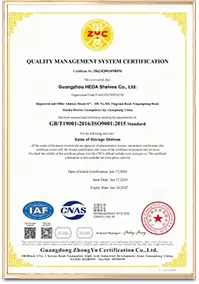
Production runs adhere to stringent CE Certificate standards (No. 2435-CPR-8605159) and ISO 9001:2015 Quality Management Systems (No. 18624Q00169R0M) with rigorous material test traceability.
Oceania & Global Port Delivery
Extensive experience supplying Australia, New Zealand, and Pacific ports. We manage ISPM-15 biosecurity wood packaging, steel stillages, DAFF/MPI compliance, and full FTA preferential documentation.
Independently Verified Certification & Testing
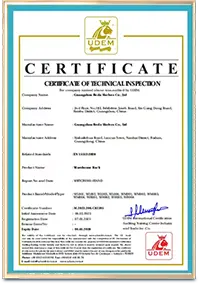
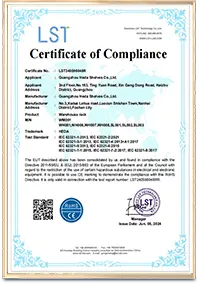
We believe in absolute procurement transparency. Structural engineers and project managers can independently verify our structural steel certifications, third-party tensile load test reports, and factory inspection records before issuing production releases.
Contact Us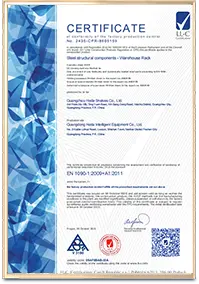
Frequently Asked Questions by Industrial Buyers & Engineers
Clear, technically precise answers to critical engineering, regulatory compliance, logistical, and design questions.
How do you calculate safe working loads (SWL) and dynamic deflection for industrial shelving?
Can your pallet racking and industrial shelving accommodate Australian AS 4084 and NZ seismic requirements?
What specific surface finish options are available for humid, outdoor, or sub-zero environments?
How do you handle biosecurity and customs clearance compliance for export shipments?
What essential warehouse dimensions and data are required to initiate a customized 3D CAD design?
Ready to Maximize Your Vertical Cube & Structural Safety?
Submit your facility floor plan or project specifications today. Our senior structural engineers will supply a comprehensive 3D CAD layout, load capacity calculation schedule, and a competitive factory-direct quote within 24 hours.