Featured Industrial Roller Racking & Warehouse Storage Systems
Direct factory configurations manufactured from high-tensile Q235B/Q355B certified structural steel. Engineered to handle loads from 500 kg to 2,000 kg per pallet position with dynamic speed-braking systems and drop-in safety components.
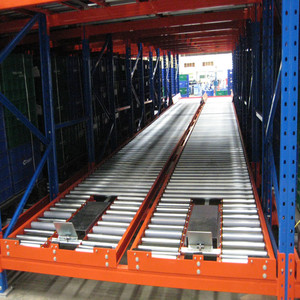
Factory Steel Warehouse Gravity Carton Pallet Flow Roller Sliding Rack
- FIFO Stock Incline: 2.5° – 3.5° Gradient
- Load: Up to 1,500 kg / Pallet Lane
- Centrifugal Speed Dampers Integrated
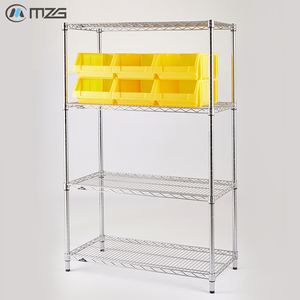
MZG Bulk Heavy Duty Warehouse Chrome Multi-Layer Metal Wire Shelving with Bins
- Finish: Anti-Corrosion Heavy Chrome
- Tier Capacity: 250 kg – 450 kg UDL
- High-Impact PP Bin Compatibility
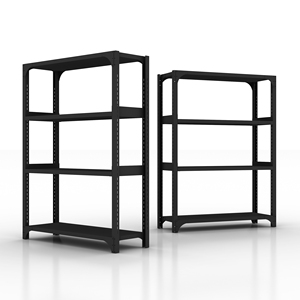
Steel Light Duty Pallet Racking & Multi-Tier Storage Rack
- 50mm Pitch Toolless Pin Adjustment
- Capacity: 100 kg – 300 kg / Level
- Powder Coated AkzoNobel Polymers
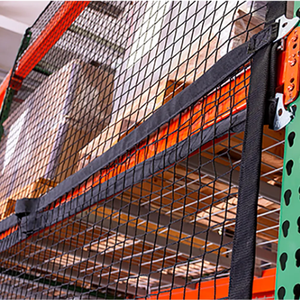
Custom Polyester Woven Pallet Cargo Net with Reinforced Rope Edge
- High-Tenacity UV-Treated Polyester
- Flue Space & Aisle Anti-Fall Restraint
- Tensile Strength: >2,500 N per Mesh
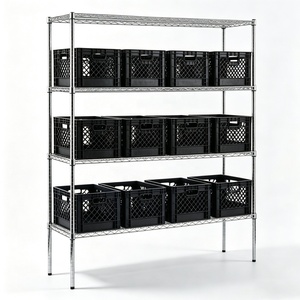
Commercial 4-Tier Heavy Duty Galvanized Metal Wire Storage Shelving
- Hot-Dip Zinc & Galvanized Wire Mesh
- Fire Sprinkler Water Penetration Compliant
- 500 kg / Tier Industrial Uniform Rating
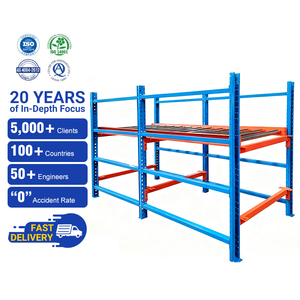
Industrial Warehouse Gravity Flow Racking & Pallet Live Storage
- Triple-Track Precision Roller Bed
- Load Capacity: 2,000 kg / Position
- Pallet Separator & Exit Stop Plates
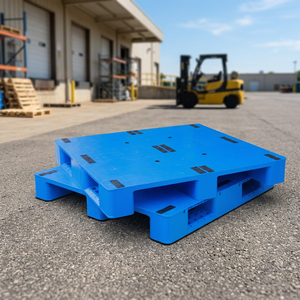
NEXARA Industrial HDPE 1200x800mm Flat Three-Runner Heavy Racking Pallet
- Static Load: 4,000 kg | Racking: 1,200 kg
- Virgin HDPE + Steel Tube Reinforcement
- 100% Flat Smooth Roller Contact Face
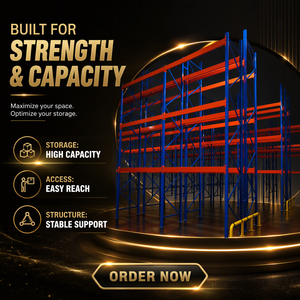
High-Density Very Narrow Aisle (VNA) Adjustable Pallet Racking System
- Maximum Vertical Bay Height: Up to 15 m
- Floor Space Utilization Ratio: ≥85%
- Floor Guidance Rails & Wire Guidance Ready
The Mechanics of Industrial Roller Pallet Racking: Gravity Kinetics, Flow Control, and Structural Deflection
Gravity roller pallet racking, also universally classified as dynamic pallet flow storage, represents the pinnacle of high-density First-In, First-Out (FIFO) material handling engineering. By utilizing slightly inclined roller conveyor tracks (calibrated strictly between 2.5% and 3.5% incline), full pallet loads utilize the force of natural earth gravity to glide from the rear charge/loading face to the front discharge/picking aisle. This design architecture eliminates interior forklift operational aisles, immediately recapturing up to 60% of redundant floor space compared to conventional selective rack layouts while enforcing strict inventory age rotation for food, pharmaceutical, cold store, and chemical distribution hubs.
In deep-lane configurations extending from 5 to over 25 pallets deep, the cumulative mass of consecutive pallets exerts immense static and dynamic hydrostatic line pressure on the lead pallet. If left unmanaged, the forklift operator attempting extraction faces extreme friction forces capable of shearing mast attachments or ejecting unstable stacked cartons. HEDA Shelves addresses this hydraulic kinetic buildup through an integrated triad of mechanical sub-assemblies:
1. Centrifugal Speed Braking Dampers: Autonomous, non-powered mechanical brake rollers are deployed at calculated pitches along each lane (typically one brake roller per pallet length). As a descending pallet exceeds 0.25 m/s, internal centrifugal internal weights engage friction linings against the inner roller sleeve, restricting terminal velocity to a steady, controlled 0.15–0.30 m/s regardless of whether the pallet weighs 300 kg or 1,500 kg.
2. Kinetic Pallet Separators (Backpressure Isolation): Positioned directly upstream of the picking position, an automatic mechanical catch locks the second and subsequent trailing pallets 150mm behind the lead pallet. The first pallet rests completely free of line backpressure at the heavy-duty structural exit stop plate. Once the front pallet is hoisted by the fork truck, the release paddle triggers, smoothly advancing the queue by one position.
3. Dual-Flange Roller Wheel Tracks & Frame Deflection Limits: To accommodate structural tolerances governed by AS 4084 (Steel Storage Racking) and EN 15512 standards, upright frames and stepped beam profiles are engineered with tight vertical deflection ratios (L/250 to L/300 under full service load). Excessive sagging along the beam alters the track gradient, resulting in stall zones where pallets hang up mid-lane. Our cold-formed structural channels and high-precision CNC roller punched frames ensure zero slope variance across 100% of operational cycles.
Dynamic Storage Systems Engineering Matrix: Comparative Operational Trade-Offs
| Storage System Type | Stock Rotation Logic | Floor Space Efficiency | Operating Energy Required | Forklift Cycle Times | Rack Strike Risk Index |
|---|---|---|---|---|---|
| HEDA Gravity Roller Pallet Flow | Strict FIFO (100% Rotation) | 80% – 90% (Ultra High) | 0 kWh (Natural Gravity) | Extremely Fast (Separate Aisle) | Minimal (No Aisle Entry) |
| Drive-In Pallet Racking | Strict LIFO (Last-In First-Out) | 70% – 80% (High Density) | 0 kWh | Slow (Deep-Bay Driving) | High (Forklift Enters Frame) |
| Radio Shuttle Automation | Flexible FIFO & LIFO | 85% – 92% (Ultra High) | Lithium Battery Recharge | Moderate (Wait for Shuttle) | Low (Shuttle Operates in Lane) |
| Push-Back Trolley Carts | Strict LIFO (Up to 6 Deep) | 65% – 75% (Medium High) | 0 kWh (Forklift Pushes Back) | Moderate (Push Resistance) | Moderate (Single Aisle Traffic) |
| Selective Pallet Racking | 100% Random Access | 35% – 45% (Low Density) | 0 kWh | Fast Pick, Slow Transit | Moderate (High Aisle Density) |
Future Procurement Trends in Industrial Pallet Racking (2025–2030)
How progressive logistics directors, 3PL procurement heads, and cold-chain facility designers are adjusting global supplier requirements to stay ahead of supply disruption, labor shortages, and ESG directives.
1. Symbiosis with AGVs & Autonomous Mobile Robots (AMRs)
Procurement specifications are shifting rapidly away from manual operator parameters. Gravity roller feed lines must now feature precision optical target reflectors, magnetic entry funnels, and millimeter-level positional alignment tolerancing (±3mm) to interface directly with counterbalanced automated guided vehicles (AGVs) without human intervention.
2. Mandatory Seismic Engineering Sign-Offs (NZS & AS/NZS)
Global insurers and local municipal councils in the Asia-Pacific (Australia, New Zealand, PNG, Fiji) enforce strict statutory building approvals. Buyers now require factory structural certification based on NZS 1170.5 ductility factor calculations, expanded cold-formed floor baseplates, reinforced anchor embedment calcs, and twin-portal longitudinal bracing.
3. Decarbonized Green Steel & Closed-Loop Powder Coatings
Enterprise tenders now mandate Environmental Product Declarations (EPD). Modern factory export procurement requires high-strength, thin-walled cold-formed steel profiles that reduce overall structural tonnage by 18% without sacrificing buckling limits, coupled with Zero-VOC, heavy-metal-free thermosetting electrostatic powders.
Technological Advancements in Roller Pallet Racking Systems
From non-wearing magnetic induction speed retarders to sub-zero freezer roller metallurgy, here are the technical innovations defining next-generation dynamic intralogistics.
Eddy-Current Magnetic Braking
Replacing mechanical internal friction pads with permanent neodymium magnetic rotors. As the roller spins faster, opposing eddy currents induce a frictionless counter-torque. The system has zero mechanical contact surfaces, completely eliminating wear debris and requiring zero brake replacements over 15 years.
Sub-Zero (-35°C) Lubrication Tribology
Standard lithium greases freeze and crystallize below -10°C, locking roller bearings and causing massive pallet stalling in cold rooms. Advanced flow tracks feature custom synthetic polyalphaolefin (PAO) ester lubricants with low-torque labyrinth seals, maintaining fluid rotation down to -35°C ambient air.
Modular Universal Split-Roller Beds
Modern distribution hubs handle mixed pallet types simultaneously (Euro 800x1200mm, US GMA 48x40in, and Australian 1165x1165mm). Innovative triple-track split cylindrical roller layouts distribute line weight across broken bottom runners, avoiding pallet deflection and drop-through jamming.
Impact-Absorbing Ductile Guide Entries
Dynamic lanes experience the highest abuse at the charging face. High-yield spring-mounted entry guide shoes and reinforced beam upright crash wraps absorb rough forklift misalignments, self-centering the incoming pallet smoothly onto the roller bed before kinetic descent starts.
Why Global Supply Chains Trust Guangzhou HEDA Shelves Co., Ltd.
Established in 2001, HEDA Shelves is an engineering-driven industrial manufacturing enterprise operating a 30,000 square meter intelligent production complex with monthly output surpassing 30,000 metric tons.
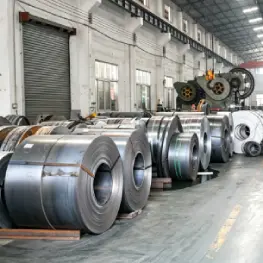
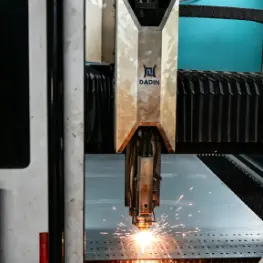
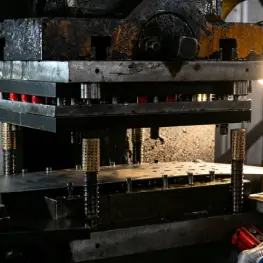
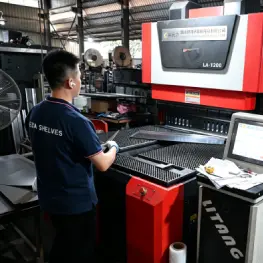
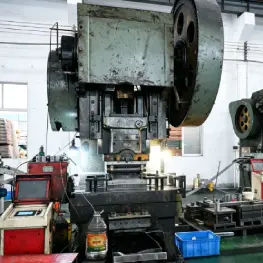
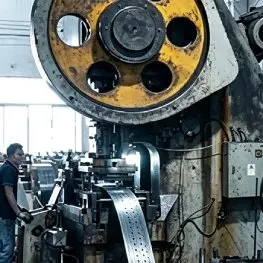
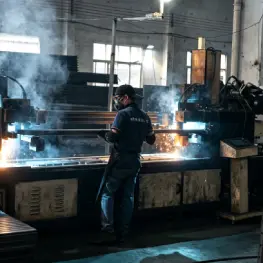
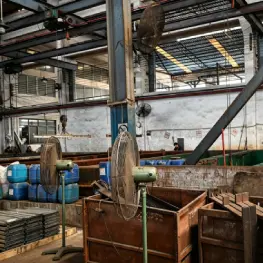
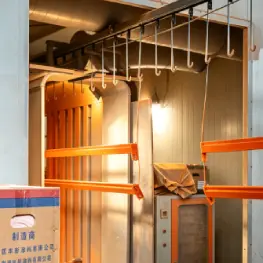
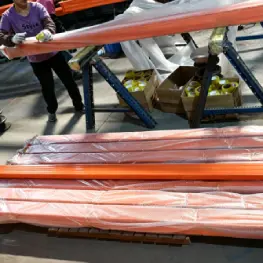
10-Stage Precision Heavy Industrial Manufacturing Process
Every upright frame, support beam, and roller bracket passes through strict metallurgical inspections and automated CNC roll-forming lines.
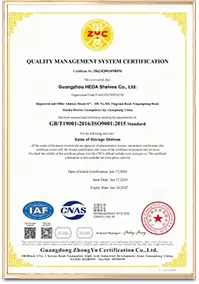
Third-Party Verified International Standards
We provide authenticated credentials and verified certificate numbers for project engineering due diligence and local council building consent applications.
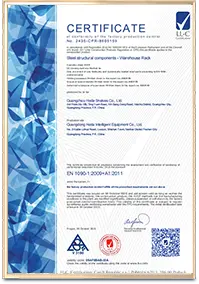
CE European Conformity
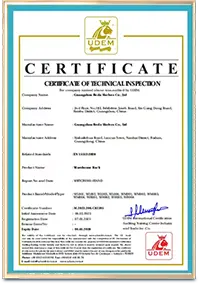
ISO 9001:2015 Quality Mgmt
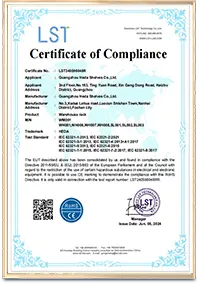
RoHS Environmental Directives
Physical Destruction Test
Frequently Asked Questions (FAQ) for B2B Importers & Engineers
Clear, technically rigorous answers addressing regulatory compliance, seismic parameters, container optimization, and dynamic roller track engineering.
How does your pallet racking comply with Australian Standard AS 4084 and European EN 15512? +
Can gravity roller and pallet racking systems be customized for high seismic zones (e.g., New Zealand NZS 1170.5)? +
How are brake roller frequencies and lane slopes determined for varied pallet weights? +
What are the lead times and shipping logistics from Guangzhou port to Australia and New Zealand? +
How does HEDA handle strict DAFF (Australia) and MPI (New Zealand) biosecurity import regulations? +
What parameters are required to generate an optimized 2D/3D warehouse layout proposal? +
Plan Your Warehouse Racking Architecture with Senior Engineers
Upload your site drawings or pallet handling criteria. Our structural design department will provide a complimentary 3D layout rendering, AS 4084 compliant capacity plan, and factory-direct export quote within 24 hours.