1. The Structural Physics: Why Static Capacity Misleads Procurement
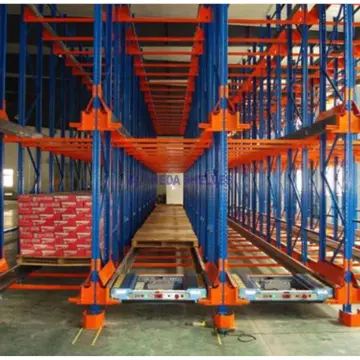
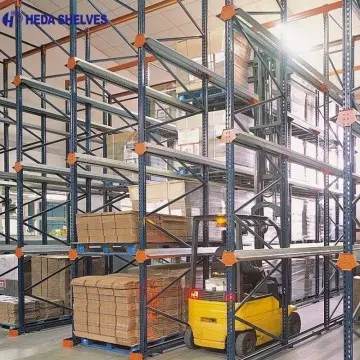
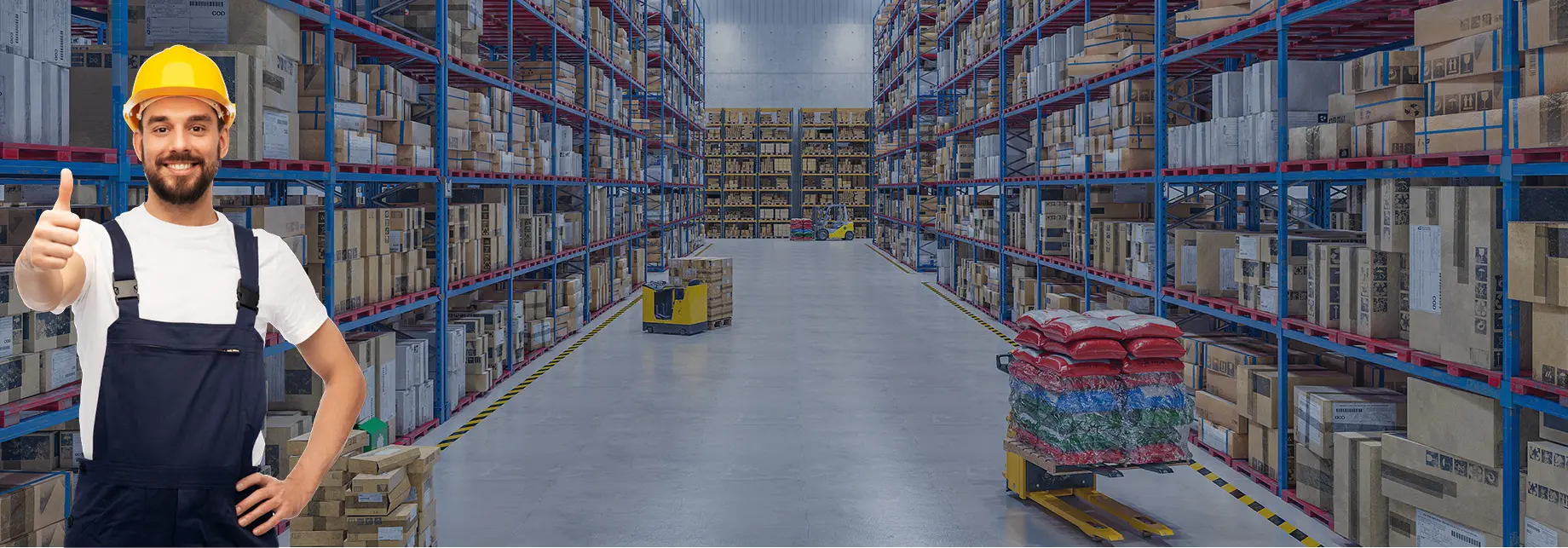
The standard failure mode in modern vertical warehouses is purchasing pallets rated for "5,000 kg static capacity" and assuming safe rackability. Static capacity assumes 100% planar support on a flat concrete foundation. By stark contrast, an industrial rackable pallet placed on selective or drive-in racking is suspended entirely across two parallel beams with an open span of 900 mm to 1400 mm.
Under unsupported conditions, gravity, live-load vibration from passing lift equipment, and environmental temperature fluctuations induce continuous tension on the pallet's bottom deck and compression on the top surface. According to ISO 8611 (Pallets for materials handling) and international racking codes (such as Australia's AS 4084 and Europe's EN 15512), racking deflection must not exceed L/100 (1% of the unsupported span) or a maximum of 12.7 mm (0.5 inches). When a non-certified pallet exceeds this threshold, catastrophic creep sets in: the pallet sags, reducing the effective bearing contact on the beam flanges, introducing dangerous rotational torque to the rack beam, and risking catastrophic structural collapse.
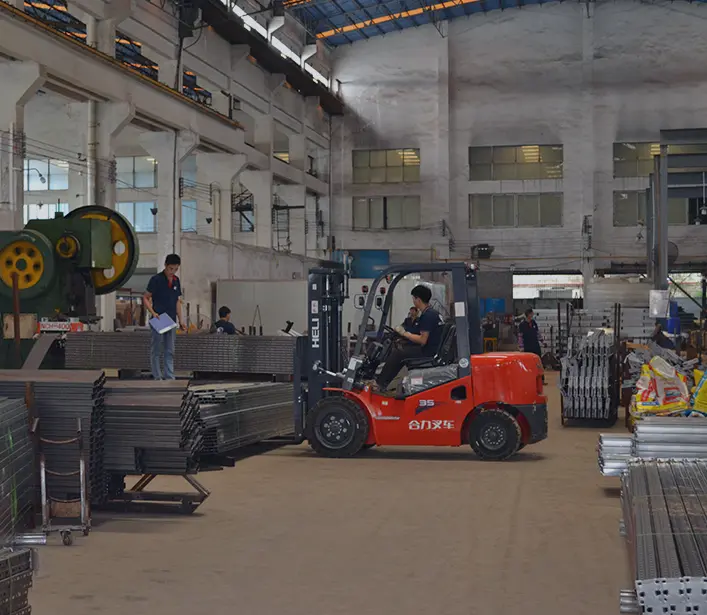
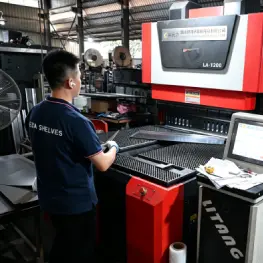
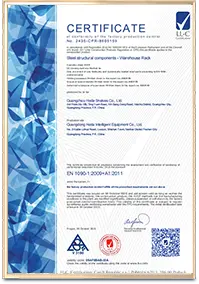
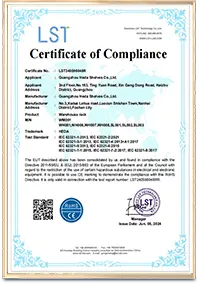
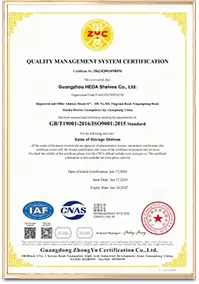
At Guangzhou Heda Shelves Co., Ltd., every racking profile, cross-beam gauge, and rack deck tie is engineered to synchronize with specific industrial rackable pallet designs—accounting for runner geometry, lip engagement, and pallet elastic modulus.
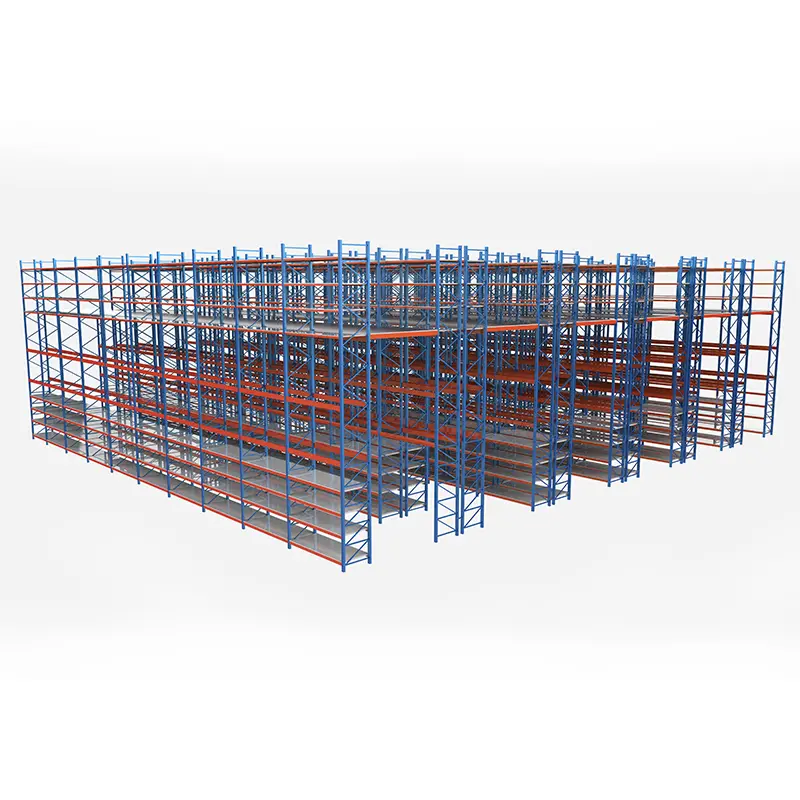
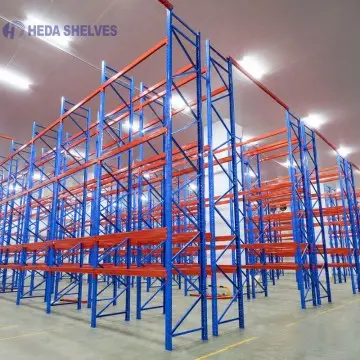 Selective Racks