Engineered Racking & Industrial Storage Portfolio
Factory-direct warehouse storage racking built from high-tensile Q235B and Q355B structural steel. Each system is custom-configured to accommodate standard Kiwi pallet formats (1200 x 1000 mm), extreme seismic zone demands, and heavy point-load requirements.
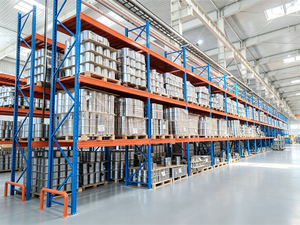
Heavy-Duty Adjustable Steel 5 Layer Multi-Level Bolt-Structured Storage Shelf
- Up to 1,500 kg per level capacity
- Corrosion-resistant electro-coat
- Bolt-structured seismic stability
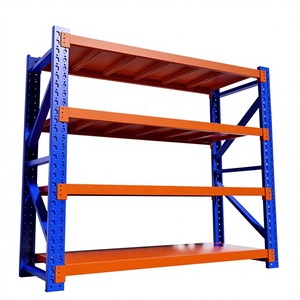
4 Tier Heavy Duty Foldable Boltless Metal Storage Rack Shelving
- 500-800 kg shelf point load
- Rapid modular boltless assembly
- Heavy gauge rolled beam clips
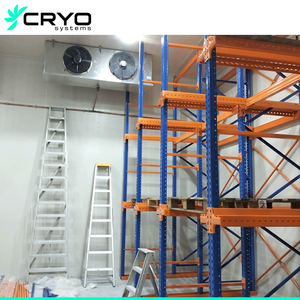
Cold Room Pallet Storage Racking Systems for Meat & Produce Freezers
- Rated to -30°C freezer durability
- Hot-dip galvanised or cold powder
- Drive-in & dense pack options
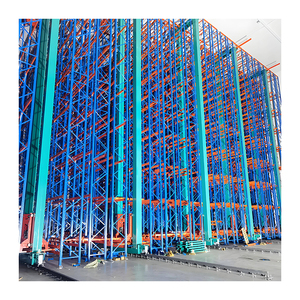
High-Density Pallet Shuttle Racking System 3000kg Capacity
- Semi-automated deep lane shuttle
- Zero forklift aisle collisions
- FIFO & LIFO software integrated
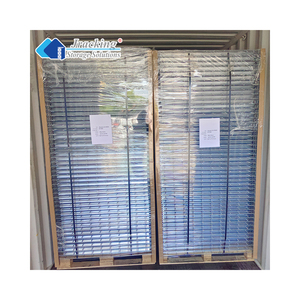
Certified Steel Wire Mesh Decking for Warehouse Pallet Storage Shelving
- NZ fire sprinkler compliant mesh
- 1000 kg UDL distributed load
- Flared channel & step beam fits
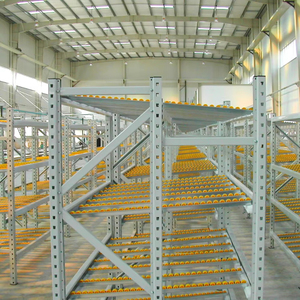
Carton Flow Roller Picking Racking for High-Speed Logistics
- Gravity-fed aluminium roller tracks
- Strict FIFO stock rotation control
- 40% reduction in pick travel time
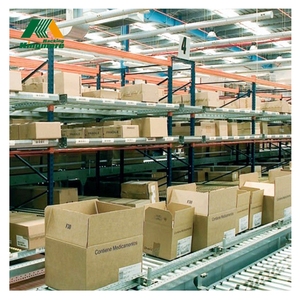
Customized Heavy Gravity Pallet Roller Rack System
- Integrated centrifugal speed brakes
- 1,200 kg dynamic pallet rating
- End-stop separation release pedals
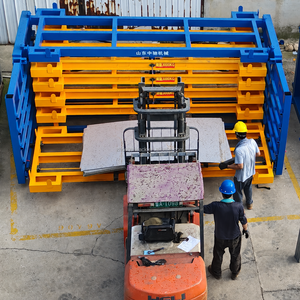
Industrial Heavy Duty Steel Pallet Sheet Metal Drawer Rack
- 100% pull-out telescopic shelves
- Up to 3,000 kg drawer capacity
- CE Certified plate steel racking
Engineered to NZS 1170.5 & AS 4084 Standards: Navigating New Zealand's Seismic Landscape
Importing industrial racking into New Zealand requires far more than generic steel fabrication. New Zealand sits squarely on the Pacific Rim of Fire, subjecting industrial facilities in Wellington, Christchurch, Hawke's Bay, and Auckland to strict structural accountability under the New Zealand Building Code (Clause B1 Structure) and WorkSafe NZ compliance guidance.
At Guangzhou Heda Shelves Co., Ltd., our engineering department designs pallet racking frames, upright sections, baseplates, and row spacers around specific seismic actions formulated in NZS 1170.5:2004 (Structural Design Actions - Earthquake actions - New Zealand). Unlike standard static storage designs, racking installed in Kiwi warehouses must resist high lateral inertial forces while maintaining upright ductility without joint brittle fracture.
Every beam-to-column connector features heavy-gauge cold-formed steel lugs engineered with tight mechanical tolerances, secured by high-tensile locking pins that prevent dislodgement during high-frequency ground oscillations.
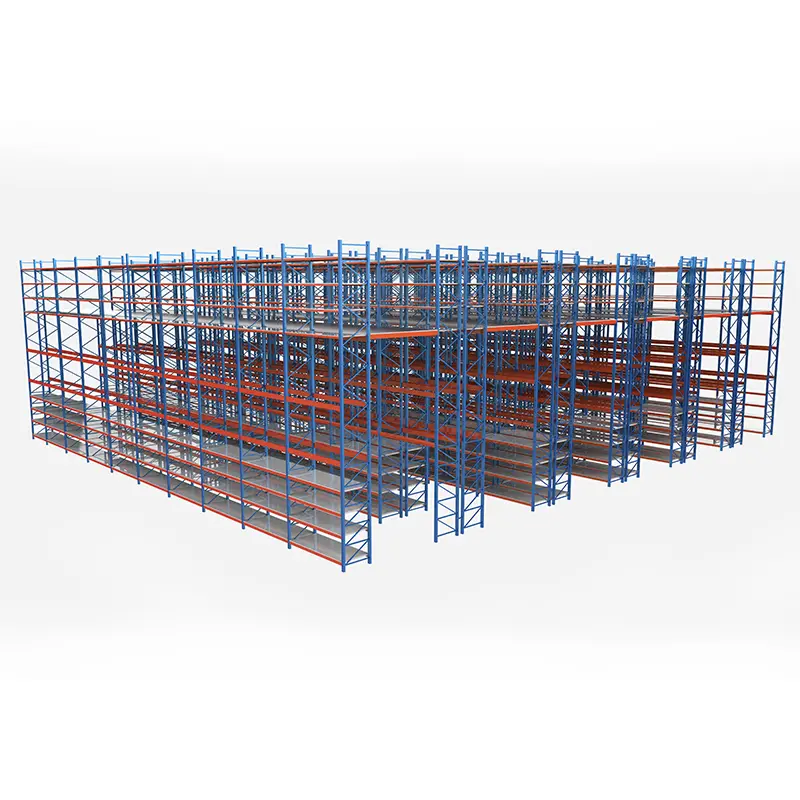
Configured for Key New Zealand Industry Sectors
From South Auckland 3PL distribution mega-hubs to cool stores in the Waikato, Bay of Plenty horticultural packhouses, and Christchurch rebuild logistics centers, our storage systems match Kiwi logistical workflows.
Dairy, Meat & Cold Storage Logistics
Engineered specifically for New Zealand's export-driven meat processing and dairy sector (Waikato, Taranaki, Canterbury). Our sub-zero drive-in and automated shuttle racking systems operate reliably down to -30°C. Heavy-duty galvanised or specialized cold-rated epoxy coatings prevent thermal-shock cracking and condensation rust.
- Freezer Drive-In
- Radio Shuttle
- ISO 1461 Galvanised
Horticulture & Kiwifruit Packhouses
High-volume seasonal throughput in Tauranga, Te Puke, and Hawke's Bay demands dynamic storage. We configure customized gravity pallet roller lanes and carton flow systems that guarantee strict First-In, First-Out (FIFO) product movement for sensitive pipfruit, avocado, and kiwifruit crates during peak harvest export cycles.
- FIFO Roller Beds
- Braking Rollers
- Rapid Picking Incline
South Auckland 3PL Distribution Hubs
With prime industrial floor space in Wiri, Drury, and Airport Oaks carrying premium lease rates, maximizing vertical cubic capacity is imperative. Our high-bay selective racking and narrow-aisle (VNA) systems scale up to 12 meters, engineered for 1200 x 1000 mm Chep NZ pallets and high-density SKU turnover.
- 100% Direct Selectivity
- High-Bay VNA
- NZ Chep Dimensions
Timber, Hardware & Building Supplies
New Zealand's active residential and infrastructure construction sector requires rugged, open-arm storage. Our heavy-duty cantilever systems support structural timber packs, structural steel RHS, PVC pipe bundles, and roofing iron with capacities exceeding 1,000–3,000 kg per arm, suitable for outdoor yard racking.
- Heavy Cantilever
- Outdoor Hot-Dip Galv
- Single/Double Sided
Automotive Aftermarket & Small Parts
Distributors across Auckland, Wellington, and Christchurch utilize multi-tier rack-supported mezzanines and longspan boltless shelving. We double or triple usable floor space without expensive tenancy expansion, integrating wire mesh safety enclosures, steel staircases, and engineered loading gates.
- Rack Mezzanines
- Picking Longspan
- Drop Gates Included
Agricultural Chemical & Fertilizer Warehousing
Storage of agricultural fertilizers, pesticides, and industrial lubricants presents corrosive vapor and strict segregation needs. We provide heavy-duty shelf units fitted with heavy-gauge galvanised wire mesh decking, secondary containment drip tray adapters, and chemical-resistant powder finishes.
- Drum & IBC Supports
- Wire Mesh Flue Spacers
- Corrosion Shielding
Key Developments Shaping New Zealand Warehousing
Logistics operations in New Zealand face unique macroeconomic pressures. Understanding these trends enables business owners and procurement managers to future-proof warehouse racking capital investments.
1. Acute Industrial Land Scarcity
Auckland's industrial vacancy rates have repeatedly hovered below 1.5–2.0%, sending prime warehouse rents in Penrose, Mount Wellington, and East Tamaki soaring. Operators are forced to extract maximum cubic density from existing footprints, driving immediate demand for Very Narrow Aisle (VNA) racking and high-bay configurations that extend upward to 10–12 meters.
2. Semi-Automation Over Costly Labor
With New Zealand's minimum wage increases and competitive logistics labor markets, 3PL and cold chain facilities are pivoting from standard forklift operations to semi-automated radio shuttle racking. Automated shuttles handle pallet retrieval in deep lanes up to 40 meters deep, drastically cutting driver transit hours and equipment maintenance overhead.
3. Stricter Seismic Compliance Auditing
Following post-earthquake updates to structural design protocols, local Building Consent Authorities (BCAs) across Auckland Council, Christchurch City Council, and Greater Wellington demand stringent Producer Statements. Facilities are actively replacing legacy, uncertified racking with engineered systems holding verified material traceabilities and structural calculations.
Engineering Specifications Across Racking Systems
Compare storage density, selectivity, pallet compatibility, and seismic adaptation across our primary industrial racking product lines designed for Oceania facilities.
| Racking System | Space Utilization | Pallet Selectivity | Standard Load / Level | Stock Rotation | Seismic Adaptability (NZS 1170.5) |
|---|---|---|---|---|---|
| Selective Pallet Racking | Medium (40-45%) | 100% Direct Access | 1,000 – 4,500 kg | FIFO / LIFO | Baseplate bolting + heavy vertical diagonal bracing |
| Drive-In / Drive-Through | Very High (75-85%) | Low (LIFO typical) | 1,000 – 1,500 kg/pal | Strict LIFO (FIFO drive-thru) | Reinforced top-portal ties & rear vertical bracing towers |
| Radio Shuttle System | Maximum (85-90%) | Channel Selective | 500 – 2,000 kg/pal | FIFO or LIFO flexible | Low lateral sway; rigid guide rails dampen seismic movement |
| Gravity Pallet Flow | High (70-80%) | Face Selective | 500 – 1,200 kg/pal | Automatic Strict FIFO | Centrifugal speed brake controllers stabilize kinetic roll |
| Heavy Duty Cantilever | High for Linear Goods | 100% Visual / Reach | 1,000 – 5,000 kg/arm | Manual Selective | Solid column base anchoring; custom moment connections |
| Rack-Supported Mezzanine | 200-300% Floor Space | 100% Bin/Shelf Level | 300 – 1,000 kg/m² | Direct Manual Access | Interlocked cross-directional horizontal tie beams & brace sets |
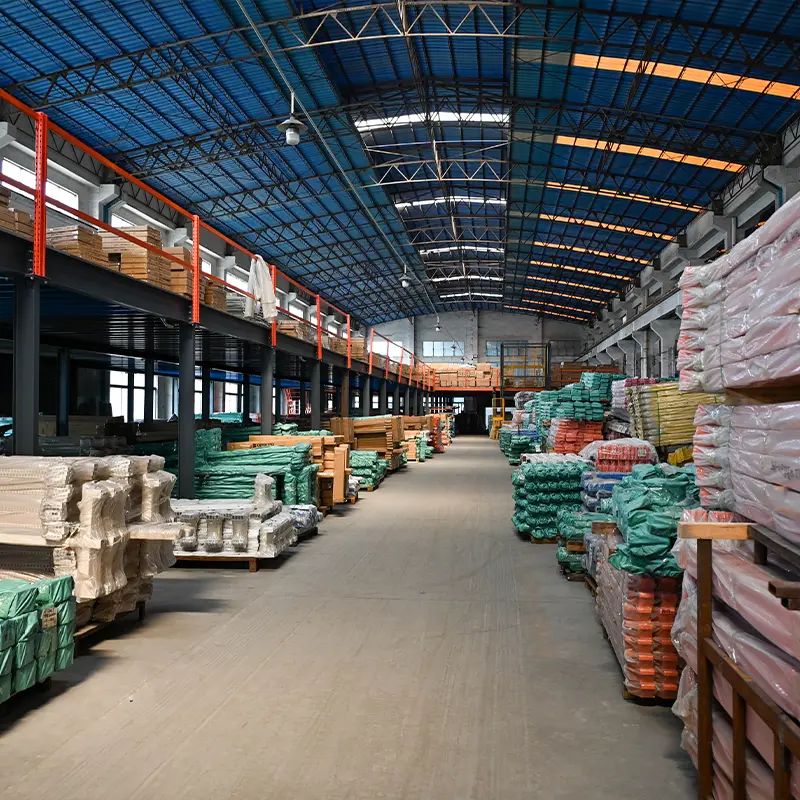
Direct Manufacturing Prowess & Quality Control
Founded in 2001, Guangzhou Heda Shelves Co., Ltd. operates a state-of-the-art 30,000 square meter production facility. By managing the entire manufacturing sequence from prime steel slit coils to finished electrostatic powder coating, we eliminate middlemen markups and maintain complete quality traceability on every shipment to Oceania.
Our upright columns are fabricated on fully automated CNC multi-roll cold forming machines, ensuring identical hole pitches and strict profile tolerances. Beams utilize heavy box profiles with double-C interlocking seams, robotically welded to 3, 4, or 5-hook connector claws for rock-solid stability under heavy dynamic loads.
Raw Steel Assay
Prime Baosteel and Shougang Q235B/Q355B coil selection. Chemical and mechanical tensile verification before rolling.
CNC Roll-Forming
High-precision automated punch and cold profile rolling lines deliver crisp 50mm/75mm adjustment pitch without stress cracks.
Welding & Powder Coating
Robotic MIG welding of beam connectors followed by multi-stage pickling, phosphating, and electrostatic powder baking.
Export Pack & Dispatch
Protected bundle wrapping on steel stillages or ISPM-15 heat-treated wood skids, complete with numbered assembly tags.
New Zealand Customs, MPI Biosecurity & Port Clearance
Importing steel products into New Zealand requires adherence to strict biosecurity protocols governed by the Ministry for Primary Industries (MPI). A failure in packaging biosecurity can result in customs fumigation delays, port demurrage fees, or rejected entry.
-
MPI Biosecurity Compliant: Shipped either on custom welded steel stillages (100% exempt from biosecurity timber quarantine) or strictly heat-treated ISPM-15 certified timber skids bearing legible IPPC stamps.
-
NZ-China FTA Tariff Preference: We provide original Form C Certificates of Origin under the Free Trade Agreement between New Zealand and China, enabling 0% customs tariff treatment for qualified steel structures.
-
Direct Port Logistics: Rapid sailing schedules from South China ports (Nansha, Shekou, Yantian) directly to Ports of Auckland, Port of Tauranga, Napier Port, and Lyttelton (Christchurch) in 18 to 26 days.
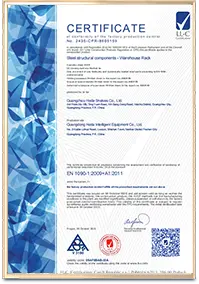 CE Certificate (EN 15095 / EN 15512)
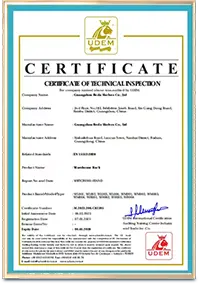 ISO 9001:2015 Registered Facility
Frequently Asked Questions by New Zealand Buyers
Clear, direct answers regarding New Zealand standards compliance, pallet dimensions, seismic engineer sign-offs, freight schedules, and installation logistics.
Request Your Custom Warehouse Layout & Factory Quote
Planning a new warehouse fitout in Auckland, Hamilton, Tauranga, Wellington, or Christchurch? Send us your architectural floor plan or storage brief. Our engineering specialists will return an optimized 3D CAD proposal, seismic load capacities, and direct factory CIF ocean freight pricing.