High-Performance Pallet Racks & Storage Systems for Nagoya
Pre-engineered to integrate seamlessly with Japanese standard JIS T-11 pallets (1,100 × 1,100 mm), narrow-aisle reach trucks, and high-density automotive supply chains.
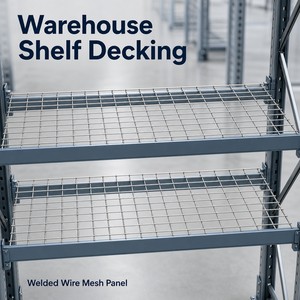 Fire Safety Decking
Galvanized Steel Drop-In Wire Mesh Decking Panel
Welded with bottom reinforced U-channels, compliant with Japanese Fire Service Act (Shobo-ho) sprinkler water penetration guidelines.
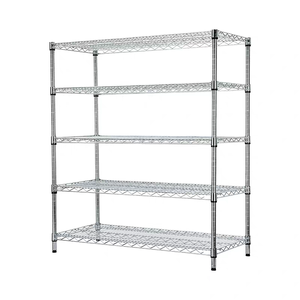
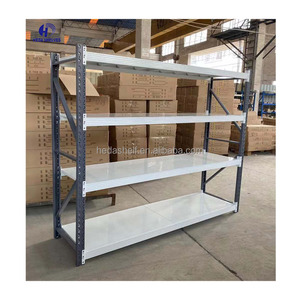 Industrial Shelving
Shelf Rack Metal Multi-Tier Shelving Racking
Boltless precision interlocking design for quick reconfiguration in automotive tooling stores and spare parts distribution facilities.
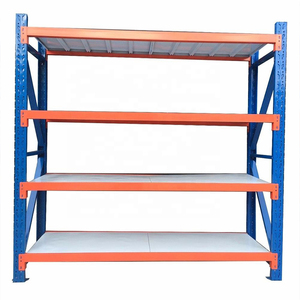 Selective Racking
Adjustable Corrosion-Proof Selective Pallet Rack
Full 100% selectivity with reinforced Omega-profile upright columns designed specifically for high-bay logistics centers in coastal Nagoya.
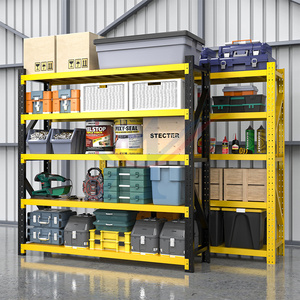 Medium Duty
Custom Medium Duty 4-Tier Powder-Coated Steel Shelving
High-contrast powder-coated finishes engineered for kanban operations, manual bin picking, and small component sub-assembly workshops.
 Multi-Tier Pick
Multi-Tier Storage Shelving for Logistics Hubs
Engineered for E-commerce picking hubs around Komaki and Ichinomiya, maximizing vertical ceiling clear height with integrated walkways.
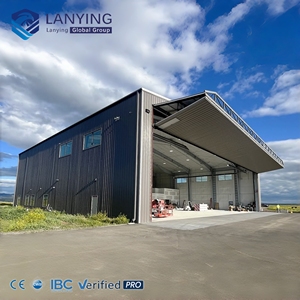 Industrial Shed
Fireproof Prefab Metal Frame Building & Racking Integrated Shed
Heavy-duty structural portal frame and rack-clad integrated warehouse structures designed to resist typhoon and seismic forces across central Japan.
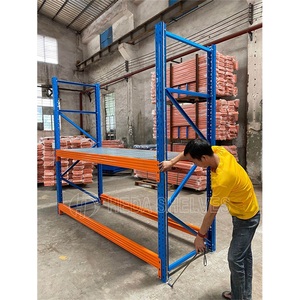 High-Bay Heavy
Heavy Duty Pallet Storage Racking 1000kg–3000kg
Features dual-rib cold-bent box beams with 5-tooth connectors, engineered specifically for high moment rigidity during seismic acceleration.
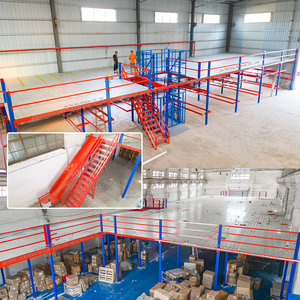 Steel Mezzanine
Elevated Structural Steel Mezzanine Storage Platform
Doubles usable square meters within high-clearance buildings without external expansion; engineered up to 1000 kg/sqm uniform live loads.
Procuring Pallet Rack Structures for the Greater Nagoya Logistics Corridor
Navigating JIS B 8922 earthquake engineering, T-11 pallet footprints, and coastal maritime supply routes from China directly into the Port of Nagoya.
The Greater Nagoya metropolitan area, anchoring Aichi Prefecture and the wider Chubu industrial region, represents the manufacturing heart of Japan. As home to the world's most sophisticated automotive conglomerates, aerospace component suppliers, and precision tooling facilities, Nagoya commands rigorous standards for warehouse racking. For warehouse directors, 3PL logistics executives, and plant managers in Nagoya, Komaki, Inazawa, and Toyota City, sourcing pallet rack systems directly from qualified Chinese manufacturers offers significant capital expenditure savings—provided the engineering aligns impeccably with Japanese structural codes, high-frequency seismic profiles, and strict municipal fire safety bylaws.
1. Critical Engineering Standards: Designing Racks for Tokai-Region Seismicity
Unlike standard static racking deployed across seismically benign territories, storage structures deployed in Aichi Prefecture must address the heightened seismic design expectations of the projected Nankai Trough and Tokai seismic zones. Chinese factories engineering racking for Nagoya cannot merely rely on generic static load charts; structural calculations must reference the dynamic criteria defined under JIS B 8922 (Steel Storage Racks) and the seismic calculation provisions of the Building Standards Act of Japan (Kenchiku Kijun-ho).
To safely absorb and dissipate lateral kinetic energy during a seismic event, our heavy-duty racking columns are roll-formed from certified Q235B and Q355B hot-rolled structural steel coils. Upright frames feature deep-flanged Omega section geometry, cold-rolled with continuous incremental pitch. In place of conventional single-pin connectors, our beam connections utilize 4-to-5-tooth stamped connectors forged from minimum 4.0mm heavy gauge steel plates, equipped with spring-locking automatic safety pins that physically cannot dislodge under resonant vertical and horizontal ground vibrations.
JIS T-11 Optimization
Configured specifically for the universal 1,100 × 1,100 mm Japanese pallet, preventing pallet overhang and deflection while maximizing beam bay efficiency.
High-Damping Baseplates
Oversized cold-formed baseplates (up to 12mm thickness) paired with high-tensile chemical wedge anchors to prevent floor pullout during tremor cycles.
Fire Code Compliance
High-open-area drop-in wire mesh decking engineered to maintain unobstructed water flow from early suppression fast response (ESFR) ceiling sprinklers.
Direct Nagoya Ocean Lane
Direct liner services from South China ports (Nansha/Shenzhen/Ningbo) to Port of Nagoya with 4 to 7 days transit time, lowering logistics cost.
2. Tailoring Racking Structures to the JIS T-11 Pallet Standard
A frequent error made by inexperienced import procurement teams is adopting European (1,200 × 800 mm) or North American (1,219 × 1,016 mm) beam calculations for Japanese logistics operations. Across Nagoya's tier-1 automotive supplier networks, electronics assembly plants, and coastal cold-storage centers, the JIS T-11 pallet (1,100 × 1,100 mm) dominates inventory movement.
Deploying inappropriate bay widths creates dangerous cantilever loading or forces forklifts into excessive maneuvering. When configuring our selective and double-deep racking lines for Nagoya operations, our engineering team standardizes standard 2-pallet bays at 2,300 mm clear beam length and 3-pallet bays at 3,400 mm clear beam length, guaranteeing the mandatory 75–100 mm lateral flue clearances required between pallet loads and upright frame columns. Furthermore, frame depths are manufactured at 1,000 mm, leaving an optimal 50 mm front and rear lip overhang to securely anchor pallets without risk of tip-in dislodgement.
3. Localized Applications Across Nagoya & Greater Chubu Industry
Nagoya's economic footprint is distinguished by specialized industrial sub-sectors, each demanding distinct structural configurations to achieve high-throughput fulfillment without compromising safety margins.
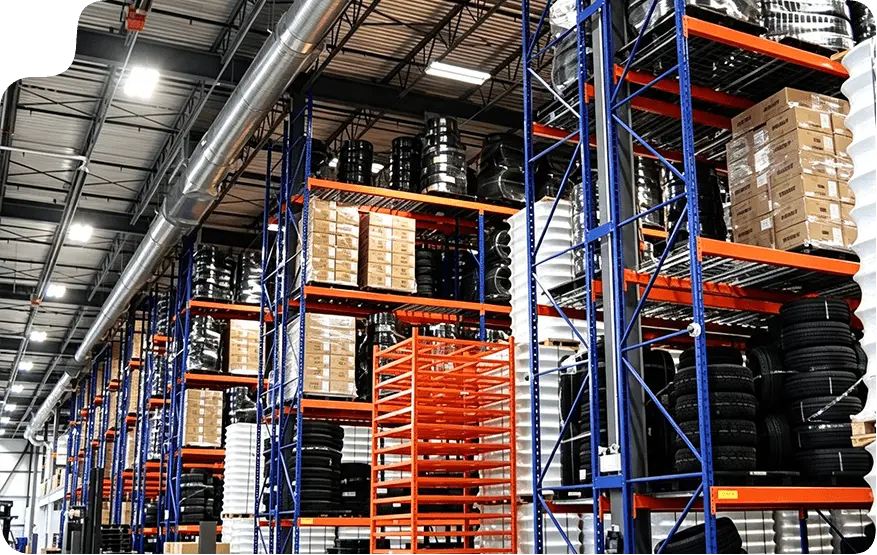
Automotive Stamping & Subassembly
Deploying heavy-duty beam tiers up to 3,000 kg per level equipped with pallet support bars and coil cradles for metal pressings, transmission cases, and JIT subassembly modules across Toyota City and Kariya supply corridors.
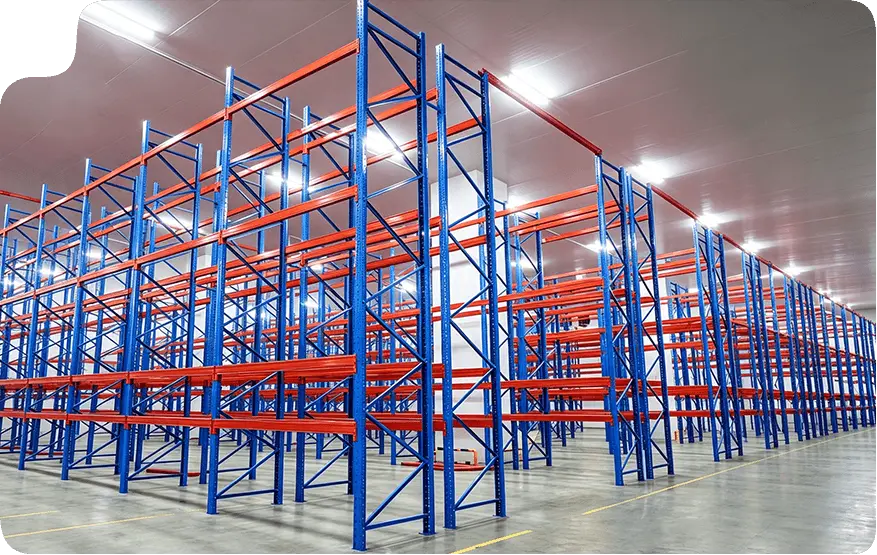
Cold Storage at Port of Nagoya
High-density Drive-in and Semi-Automated Radio Shuttle systems coated with specialized low-temperature epoxy powder formulations designed to resist embrittlement and thermal contraction cracking down to -30°C.
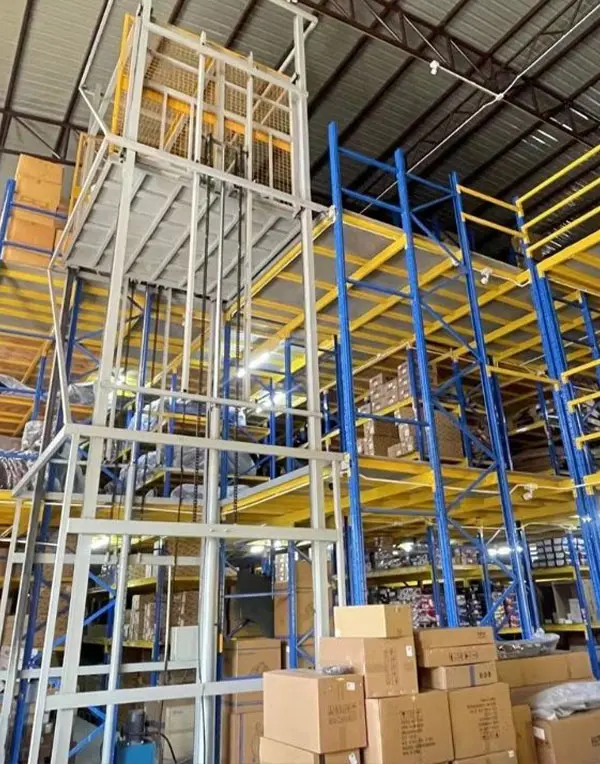
E-Commerce & 3PL Multi-Tier Hubs
Multi-tier rack-supported platforms built in the logistics clusters of Komaki, Ichinomiya, and Kasugai. Integrated carton flow and mesh dividers maximize SKU bin pick density amid rising warehouse land lease costs.
4. Market Dynamics: The "2024 Problem" & Automated High-Density Racking
In Japan's supply chain sector, the enforcement of statutory overtime caps on commercial truck drivers (widely known as the "2024 Problem" (2024nen Mondai)) has accelerated an urgent operational transformation across Aichi Prefecture. Logistics operators can no longer rely on long-haul transport flexibility; instead, regional logistics centers in Nagoya must operate as mega-consolidation hubs operating around the clock with rapid turnaround times.
This macro shift has triggered widespread demand for Radio Shuttle Racking Systems and Narrow Aisle (VNA) Pallet Racks. By eliminating interior forklift access corridors, shuttle systems maximize cube space utilization by up to 75% compared to traditional selective racking. Furthermore, semi-automated shuttles move pallets along high-tensile galvanized running rails, reducing forklift cycle times and drastically lowering collision risks against primary structural uprights.
5. Structural Specification Comparison for Nagoya Installations
Review the primary engineering metrics when evaluating rack types for Japanese industrial facilities:
| Racking Topology | Standard Pallet Compatibility | Max Bay Capacity | Space Utilization | Seismic Damping Adaptability | Recommended Nagoya Facility Type |
|---|---|---|---|---|---|
| Selective Pallet Racking | JIS T-11 (1100×1100), Euro, US | Up to 16,000 kg/frame | 40% – 50% | Standard Baseplate / Top Tie Bracing | Automotive Spare Parts, General 3PL Warehousing |
| Drive-In / Drive-Through | JIS T-11 Standard Only | Up to 14,000 kg/bay | 65% – 75% | Rigid Top Portal Bracing Required | Food Processing, Coastal Port Cold Stores |
| Radio Shuttle System | JIS T-11, Wooden & Plastic | Up to 1,500 kg/lane | 80% – 85% | Internal Rail Stiffeners & Dual Anchor | High-Throughput Beverage, E-Commerce Buffers |
| Rack-Supported Mezzanine | Hand-loaded Bins & T-11 Ground | 300 – 1000 kg/sqm | 100% (Vertical Expansion) | Multi-Level Portal Diagonal Ties | Aerospace Electronics, Assembly & Packing Floors |
| Heavy-Duty Cantilever | Pipes, Extrusions, Bar Stock | Up to 3,000 kg/arm | Variable Open Span | Tapered Base Beam with Ground Flanges | Nagoya Steel Stockyards, Building Material Yards |
6. Why Partner with Guangzhou Heda Shelves for Nagoya Projects
Founded in 2001, Guangzhou Heda Shelves Co., Ltd. has grown to become an international leader in structural rack manufacturing, boasting an advanced 30,000 m² modern fabrication complex and an engineering team exceeding 300 technical specialists. Our monthly cold-rolling capacity exceeds 30,000 metric tons of structural steel components, supporting large-scale rollouts without delivery schedule delays.
For Japanese warehouse engineering teams and procurement specialists, partnering with Heda Shelves provides distinct advantages:
- Factory-Direct Engineering Layouts (Free 3D & CAD): Before production begins, our civil and structural engineers provide millimeter-accurate CAD layout schematics and 3D modeling tailored to your clear building ceiling heights, column grids, fire shutter pathways, and forklift turn radii.
- Full Document Verification Packs: Every project order is backed by material test certificates (MTC), steel tensile analysis, static load calculation reports, and factory inspection test records (FAT) ready for municipal building certifier verification.
- Precision Automated Surface Treatment: Components undergo an automated 10-stage pre-treatment wash consisting of immersion degreasing, ultrasonic rust removal, zinc phosphating, and electrostatically sprayed epoxy-polyester powder coating cured at 200°C for exceptional resistance to coastal humidity around Ise Bay.
- Streamlined Maritime Shipping to Port of Nagoya: Our factory coordinates container stuffing with specialized steel framing and ISPM-15 export stillages to facilitate swift clearance through Nagoya Customs (Nagoya Zeikan) without port detention charges.
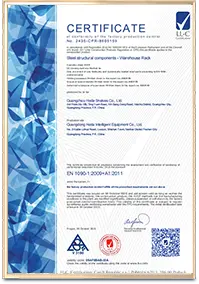
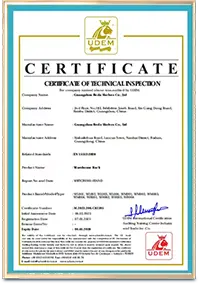
CE Directives Approved
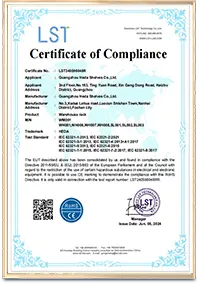
ISO 9001:2015 Certified
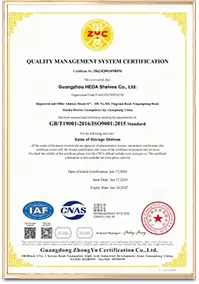
RoHS Compliant Finish
Structural Static Load Tested

Comprehensive QA Protocol
Frequently Asked Questions for Nagoya Racking Procurement
Clear, technical answers to the most common inquiries raised by Japanese warehouse contractors, logistics coordinators, and factory operators.
Request an Engineered Layout & Factory-Direct Quote for Nagoya
Send us your warehouse CAD floor plan, ceiling clear height, pallet dimensions, and seismic site requirements. Our technical design team will produce complete 3D layouts, load tables, and quotation packages within 24 hours.