Engineered Heavy-Duty Flow & Pallet Storage Architectures
Discover factory-direct structural solutions optimized for First-In, First-Out (FIFO) material handling, multi-tier case picking lanes, and hyper-dense cubic storage optimization.
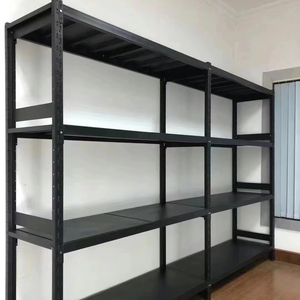
Metal Storage Shelves Pallet Racking 100-200kg Beam Shelf Factory Mount
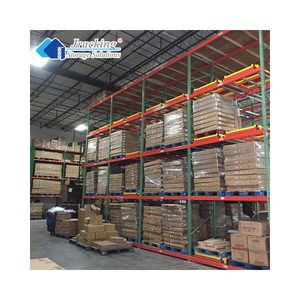
Jracking Warehouse Heavy Duty Pallet Rack Push Back Dynamic Steel Rack
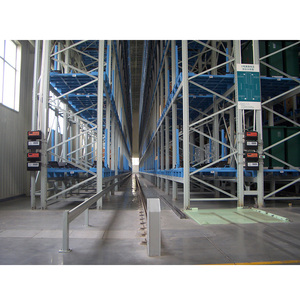
Full Space Utilization Pallet ASRS Automatic High-Bay Racking System
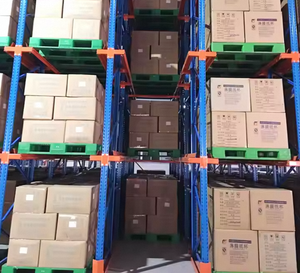
Heavy-Duty VNA Pallet Racking System Drive-In Adjustable Warehouse Rack
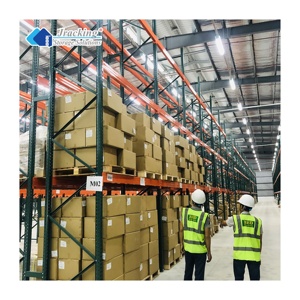
US Standard Storage Steel Heavy Duty Teardrop Pallet Rack System
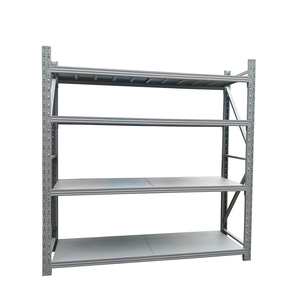
Metal Storage Rack Long Span Steel Light Duty Manual Picking Shelving System
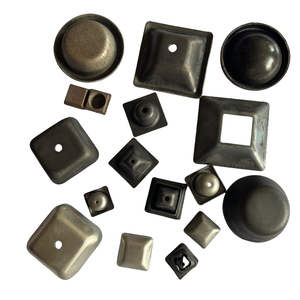
Heavy Duty Round Stacking Steel Pallet Stillage Feet Bottom Base Components
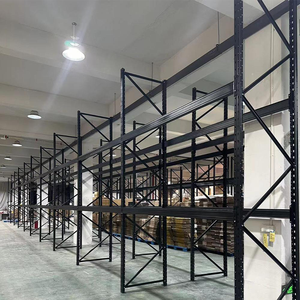
Wire Mesh Deck Pallet Racking Corrosion Resistant Dust Free 5-Layer Storage
Carton & Pallet Flow Picking: Kinematic Engineering & Optimization
A deep technical analysis of dynamic flow beds, friction coefficients, brake roller intervals, and picking cycle economics in modern omnichannel fulfilment centers.
Inclination Angles & Dynamic Slope Ratios
Proper carton flow functionality depends entirely on gravity gradient balance. We engineer roller tracks with precise 2.5% to 5.0% declination adjustments based on tote materials (polypropylene, corrugated board, or timber), ensuring smooth velocity without product crushing.
Centrifugal Speed Controllers & Safety Brakes
For heavy-duty pallet flow beds up to 1,500 kg per position, kinetic energy management is vital. We calculate mass velocity and integrate internal centrifugal braking rollers every pallet interval, paired with reinforced floor mount end stops and entry lead-in guides.
Pick-to-Light & Digital Sensor Integration
Modern split-case picking thrives on digital integration. Our custom cold-formed front shelf profiles feature integrated digital mounting channels for directional pick-to-light LED arrays, optical sensors, and quick-snap aluminum dividers for flexible lane spacing.
Certified Manufacturing Workflow & Metallurgical Standards
Every component leaving our 30,000 m² factory follows strict cold-forming, robotic welding, surface passivation, and powder-coating routines certified to ISO 9001:2015 and CE standards.
Q235B / Q355B Steel Profiling
Continuous coil inspection and testing for yield point tensile strength, followed by CNC roll-forming of high-strength uprights and teardrop columns.
Automated Hole Punching
Ultra-precise 50mm and 75mm pitch punching setups allow high modular flexibility for beam-level elevation changes and roller track bracket reconfigurations.
Chemical Surface Passivation
Eight-stage automated pre-treatment featuring degreasing, ultrasonic rust removal, water washing, and zinc phosphating to guarantee complete adhesion.
Electrostatic Powder Cure
Thermal-cured TGIC-free epoxy-polyester electrostatic coatings providing superior abrasion resilience, chemical barrier defense, and UV stability.
Evolving Trends in Flow Rack Picking: 2026-2030 Outlook
In-depth market insights and actionable recommendations for supply chain leaders, warehouse project consultants, and global equipment importers.
1. Shift to Micro-Fulfilment & Urban Hubs
With same-day deliveries saturating consumer expectations, distribution footprint is compressing into urban brownfield warehouses. Flow rack picking infrastructure must deliver high SKU density per square meter. Compact multi-tier carton flow pick modules embedded directly within mezzanine platforms are rapidly replacing conventional static shelving to double active SKU picking faces without building expansion.
2. Cobotics & AMR-Integrated Pick Faces
Autonomous Mobile Robots (AMRs) are altering the physical layout of picking aisles. Forward-thinking operations are specifying flow beds with open-front cantilevered shelf designs, lowered bottom clearances, and drop-leaf roller ends that enable collaborative AMRs and robotic arms to autonomously replenish or pick split cases directly alongside human pickers without traffic disruption.
3. Structural Seismic & Climate Resilience
Regulatory frameworks across seismically active zones (such as New Zealand NZS 1170.5 and Western US IBC codes) mandate sophisticated non-linear dynamic structural simulations. Sourcing directors increasingly bypass catalog-only sellers in favor of manufacturing engineering teams capable of modifying column gauge, heavy-duty footplates, and chemical anchor specifications to pass engineering reviews.
4. Sustainable Finishing & Closed-Loop Steel
Corporate ESG mandates are reshaping supplier qualification scorecards. Global buyers now scrutinize the environmental footprints of cold-forming mills, requiring low-VOC powder coatings, closed-loop phosphate water purification systems, and verifiable mill certificates that document recycled scrap steel proportions without compromising tensile integrity under static and dynamic picking loads.
5. Real-Time Telemetry & Dynamic Flow Monitoring
Smart flow picking systems are moving beyond passive mechanical rollers. Emerging high-volume lines incorporate IoT-enabled vibration and acoustic sensors inside gravity flow tracks to monitor roller wear, detect lane blockages, and continuously feed inventory movement data to Warehouse Management Systems (WMS) for optimized replenishment timing and reduced pick-cycle latency.
6. Total Cost of Ownership (TCO) Procurement
Savvy logistics buyers look beyond initial metric-ton steel rates. Project TCO is governed by container loading efficiency, numbered kit bundling, and modular assembly speed on site. Pre-assembled flow tracks, pre-welded connectors, and biosecurity-cleared packaging prevent port delays and expensive labor overruns during terminal fit-out phases.
Frequently Asked Questions (FAQ) for Global Buyers
Technical answers addressing seismic sign-off, biosecurity clearing, load ratings, and custom OEM/ODM supply agreements.
How do you ensure flow rack picking compliance with local building standards?
Our engineering division designs structural uprights, dynamic beams, and roller frame assemblies in reference to regional codes including AS 4084 (Steel Storage Racking), EN 15512, and RMI standards. We deliver complete engineering documentation packages including section properties, deflection calculations, and certified load capacity plaques so your registered local engineer can verify compliance seamlessly.
What parameters are required to generate an optimized flow rack picking design?
To produce an exact 3D CAD proposal and structural calculation, we request your warehouse layout drawing (showing columns, fire egress, clear height, and dock locations), package dimensions and weights (length, width, height, minimum and maximum load per carton or pallet), preferred picking methodologies (tote, full case, or pallet), and material substrate details to configure slope ratios and roller types.
How does the factory prevent biosecurity holds during customs import?
We eliminate fumigation and biosecurity quarantine risks by shipping steel profiles and roller beds on custom-fabricated heavy-duty steel shipping stillages or ISPM-15 heat-treated, certified timber. Every container dispatch is accompanied by full sets of compliant Commercial Invoices, Packing Lists with serialized bay marks, Bills of Lading, and Certificates of Origin.
What custom OEM and ODM manufacturing capabilities are offered?
We provide full white-label contract manufacturing for industrial racking distributors worldwide. This includes proprietary upright punching designs (50mm, 75mm, teardrop), customized corporate powder-coat RAL matching, OEM-branded packaging and load rating plates, and custom-formed steel accessories including pallet guides, column protectors, and wire mesh decking engineered to your brand specifications.
How do roller flow beds perform in sub-zero cold storage environments?
Standard nylon and steel rollers can suffer bearing seizure under extreme temperatures. For cold storage and blast freezer facilities (-25°C to -30°C), we configure low-temperature synthetic lubricants, stainless steel axle bearings, and high-impact specialized polymeric wheel assemblies designed to resist thermal shock and dynamic fatigue.
What is the typical production and shipping cycle for full container loads?
Standard fabrication time is 15 to 25 days depending on tonnage and custom color requirements. Maritime transit from our South China shipping terminal to major international ports (including Sydney, Melbourne, Auckland, Rotterdam, and Los Angeles) ranges from 12 to 28 days, supported by complete shipping documentation and container utilization optimization.
Request an Engineered Layout & Production Estimate
Send your floor plans, pallet weights, or custom OEM fabrication drawings. Our senior structural storage engineers will prepare a comprehensive 3D CAD design, load table calculations, and container shipment budget within 24 hours.
Get Catalog