Featured High-Capacity Pallet Storage & FIFO Dynamic Racks
Explore our structural pallet racking line manufactured with premium Q235B/Q355B high-tensile cold-rolled steel, designed for maximum cube utilization, dynamic pallet rotation, and heavy-duty load resilience.
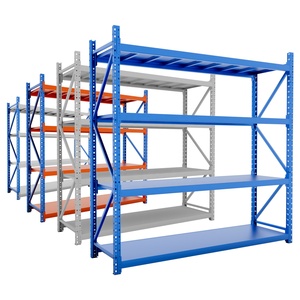
Factory Direct 4-Layer 800kg Medium Heavy Duty Pallet Racking System Steel Adjustable Longspan Warehouse Storage Pallet Racks
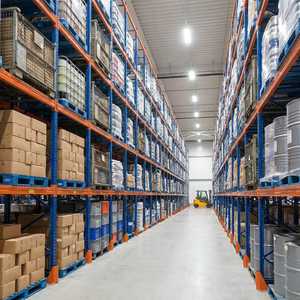
Warehouse Steel Storage Rack Steel Pallet Heavy Duty Adjustable Selective Pallet Racking System For Factory
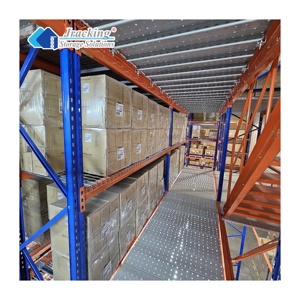
Premium Industrial Storage Stacking Shelves Racks Heavy Duty Steel EU Pallet Racking System For Logistics Warehouses
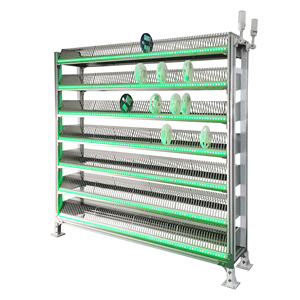
NEW Macinte IRS-20R-1400-7D-16 Stainless Steel 7-Layer SMT Reel Intelligent Selective Pallet Rack ESD Protection for Warehouse
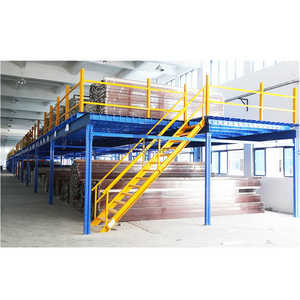
Corrosion-Resistant Bolt-Structured Powder Coating Steel Mezzanine Racks System Metal Storage Racks Shelves for Stacking
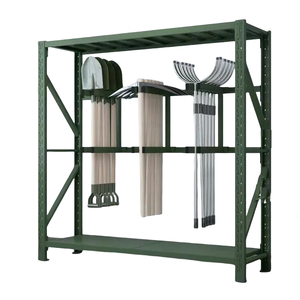
Industrial Storage Shelves Units Adjustable Steel Shelving Warehouse Racking For Wholesale
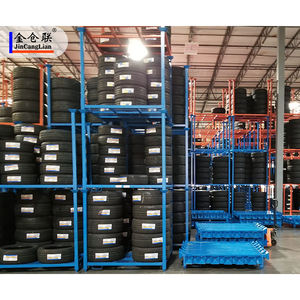
High Standard Steel Tubular Warehouse Racks Stacking Racks Pallet Racking Heavy Duty Corrosion Protection High Storage
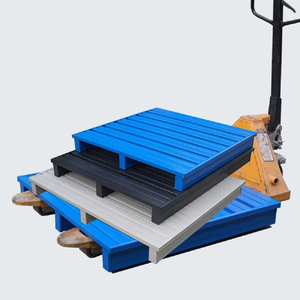
Hot Sale Customizable Single-Faced Euro Pallet Racking Heavy Duty Industrial Storage for Iron Steel Materials in Warehouses
Why Global Supply Chains Trust Guangzhou HEDA Shelves Co., Ltd.
Founded in 2001, Guangzhou HEDA Shelves Co., Ltd. has grown into an international benchmark manufacturer of high-density pallet racking, dynamic FIFO gravity flow racking, automated radio shuttle systems, and multi-tier mezzanine floors. Operating out of our modern 30,000 m² smart factory in Guangzhou, China, our team delivers complete end-to-end intralogistics infrastructure to more than 130 countries worldwide, with dedicated engineering service across Oceania, North America, Southeast Asia, and Europe.
When sourcing First-In-First-Out (FIFO) pallet racking from China, procurement directors face clear logistical and structural hurdles: dimensional conformity, seismic load resistance, steel fatigue limits, and reliable roller bed friction coefficients. HEDA Shelves neutralizes these risks by anchoring production in rigorous metallurgical quality assurance. We utilize prime Q235B and high-yield Q355B cold-rolled structural steel coils sourced directly from Tier-1 state mills (such as Baosteel and Shougang). Our components undergo continuous robotic laser cutting, multi-station automated roll-forming, automatic pickling-phosphating pre-treatment, and static electrostatic powder coating to ensure that every upright frame, load beam, and gravity roller track performs reliably under extreme working conditions.
Independently Verified Certification & Global Standards
We do not make generalized claims regarding quality. We supply full traceability documentation, third-party structural test reports, and registered certificate numbers for compliance checks by local engineering bodies and building certifiers:
- CE Certificate: 2435-CPR-8605159
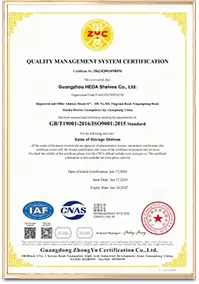
- ISO 9001:2015: 18624Q00169R0M
- AS 4084-2023 Structural Design
- FEM 10.2.02 / EN 15512 Compliance
- NZS 1170.5 Seismic Calculation
- RoHS Environmental Surface Pass
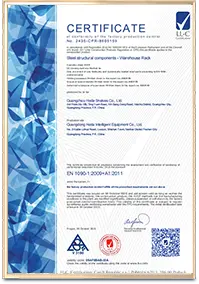 CE Cert
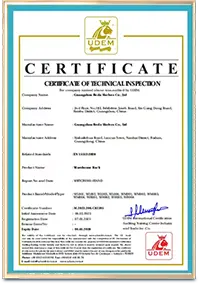 ISO 9001:2015
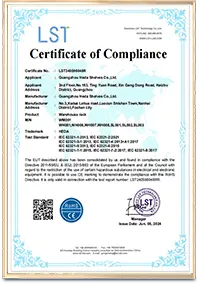 RoHS Report
 Test Report
Engineering Principles of High-Density FIFO Pallet Racking Systems
An in-depth structural and operational comparison between First-In-First-Out gravity flow tracks, semi-automated radio shuttles, and selective live storage systems.
In high-throughput warehousing—notably in pharmaceutical distribution, cold-chain storage, food and beverage processing, and precision electronics—inventory velocity and strict batch rotation are decisive operational metrics. The First-In-First-Out (FIFO) warehousing principle guarantees that the earliest stored pallet is retrieved before later arrivals, completely preventing product obsolescence, minimizing shrinkage from shelf-life degradation, and optimizing picking paths.
While standard static selective racking offers 100% immediate accessibility, its floor space utilization rarely surpasses 35% to 40% due to the extensive aisle space demanded by counterbalanced and reach forklifts. FIFO Pallet Flow Racking (Gravity Racking) and FIFO Radio Shuttle systems eliminate internal forklift access aisles. This condenses storage footprints by up to 65% while enforcing unyielding rotation discipline.
| Engineering Attribute | FIFO Gravity Flow Racking | FIFO Radio Shuttle Racking | Traditional Selective Racking | Drive-In Racking (LIFO Baseline) |
|---|---|---|---|---|
| Stock Rotation Logic | Strict Automatic FIFO | Configurable FIFO or LIFO | Random Manual Access | Strict LIFO (FIFO requires 2 aisles) |
| Volumetric Space Efficiency | Up to 75% Floor Utilization | Up to 85% Floor Utilization | 35% - 40% Floor Utilization | 65% - 70% Floor Utilization |
| Pallet Lane Depth | 2 to 25 Pallets Deep | Up to 50+ Pallets Deep | Single or Double-Deep | 2 to 10 Pallets Deep |
| Handling Equipment Interface | Standard Forklifts (Charge/Discharge) | Shuttle Cart + Standard Forklift | All Standard Lift Trucks | Forklifts Enter Inside Structure |
| Throughput Capacity | Extremely High (Continuous Flow) | High (Dependent on Shuttle Speed) | Moderate (Aisle Congestion) | Low (Slow Driver Maneuvering) |
| Forklift Rack Collision Risk | Very Low (Forklift outside lanes) | Zero Rack-Entry Risk | Moderate Aisle Impact | Severe Risk (Maneuvering inside bays) |
| Cold Storage Feasibility | Optimal (-30°C certified rollers) | Excellent (Lithium Low-Temp Cells) | Expensive Cubic Cost Ratio | Common, but High Damage Frequency |
The Mechanics of Gravity FIFO: Incline Slope, Speed Dampers & Load Separation
A high-performance Gravity FIFO Pallet Racking system is not simply an assemblage of structural steel. It is an intricate mechanical deceleration system governed by kinetic physics and friction coefficients. When procuring gravity flow systems from Chinese manufacturers, warehouse planners must verify three mission-critical mechanical subsystems:
Precision Gradient Pitch
Gravity roller lanes rely on a calibrated gradient, typically engineered between 2.5% and 3.5% (1.4° to 2.0°). If the angle is too shallow, wooden or plastic pallet runners stall midway; if too steep, pallets build uncontrollable momentum, risking rack blowout or product collapse.
- Tailored to 500kg - 1,500kg unit pallets
- Tested for Euro, US GMA & Australian pallets
- Compensates for runner deflection variations
Centrifugal Brake Rollers
To restrict pallet travel velocity to a controlled speed of less than 0.3 m/s, internal centrifugal brake rollers are distributed strategically throughout the lane length. These mechanical governors modulate deceleration force dynamically based on the kinetic energy of each pallet.
- Spaced every 1.0 to 1.2 meters along lanes
- Sealed internal fluid and planetary gears
- Tested across ambient & -30°C environments
Discharge Safety Separator
Without mechanical separation, the cumulative back-pressure of 10 to 20 rear pallets forces the leading pallet tightly against the exit stop, rendering forklift retrieval impossible and causing load distortion. Our automatic mechanical separators decouple the lead pallet until retrieval is complete.
- Removes line hydrostatic pressure
- Allows smooth forklift tines engagement
- Automatic reset upon pallet discharge
Future Procurement & Sourcing Trends in Pallet Racking (2025–2030)
Key trends shaping global supply chains, international steel procurement, cold-chain expansion, and hybrid automated racking systems.
1. Convergence of FIFO Gravity & AMR Automation
Global fulfillment centers are rapidly pivoting away from standalone manual racking. Sourcing specifications now emphasize hybrid racking interfaces where Autonomous Mobile Robots (AMRs) or automated guided vehicles (AGVs) replenish gravity roller channels from the rear loading aisle, while front discharge pick-stations feed automated conveyor belts. Racking designs require tight millimetric tolerances (±1.0 mm) on beam levels and column deflection.
- Laser-guided AMR docking plates
- Photoelectric sensor brackets built-in
- Strict deflection compliance (≤ L/250)
2. Upgraded Seismic Verification (AS 4084 & NZS 1170.5)
Structural authorities across the Asia-Pacific, North America, and Europe are enforcing tighter compliance audits on cold-formed steel racking. Procuring racking today demands verified finite element analysis (FEA), ductile steel baseplate connections, certified expansion anchor embeds, and calculation packages that account for site-specific spectral acceleration coefficients, ductile response factors, and inter-story drift limits.
- High-ductility steel formulations
- Custom heavy-gauge seismic footplates
- Engineering calculation seals for local permit review
3. Cold-Chain Metallurgy & Cryogenic Resilience
The global boom in refrigerated pharma and frozen protein logistics is exposing the limits of standard structural carbon steels, which can undergo brittle fracture transitions below -15°C. Future procurement directives demand Q355B or European equivalent S355JR structural profiles, with mandatory Charpy V-notch impact toughness testing at -20°C and -30°C, combined with high-durability epoxy-polyester coatings.
- Certified sub-zero impact resistance
- Hot-dip galvanizing for marine/condensation sites
- Synthetic low-temperature roller bearing lubricants
The Sourcing Paradigm Shift: Direct-from-Factory Engineering vs Trading Middlemen
In mature logistics hubs across Australia, New Zealand, the United Kingdom, and the Americas, tier-1 3PL operators and warehouse investors are no longer procuring through secondary resellers who mark up components by 40% to 70%. Buyers are establishing direct engineering-partner relationships with certified Chinese manufacturers. This direct model yields significant strategic advantages:
1. Direct CAD / 3D Layout Customization: Warehouse clear eaves heights, column spacing, and sprinkler drops are integrated directly into manufacturing drawings within 24–48 hours, eliminating communication lag.
2. Accredited Export Packaging & Biosecurity: Components are shipped on engineered steel stillages or heat-treated timber that strictly satisfies Australian Department of Agriculture, Fisheries and Forestry (DAFF) and New Zealand Ministry for Primary Industries (MPI) biosecurity import protocols.
3. Complete Tariff Preferential Documentation: Direct factories supply valid Free Trade Agreement Certificates of Origin (such as ChAFTA or RCEP Form E), reducing import duties to zero percent in qualifying partner nations.
10-Stage Precision Manufacturing & QC Workflow
Every ton of structural steel racking engineered at our Guangzhou facility undergoes a continuous 10-stage quality control process to guarantee dimensional accuracy, weld penetration, and coating durability.
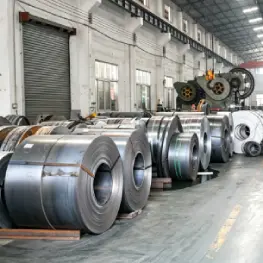
Raw Material Spectroscopy
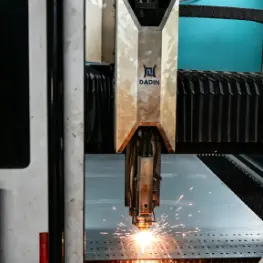
CNC Precision Cutting
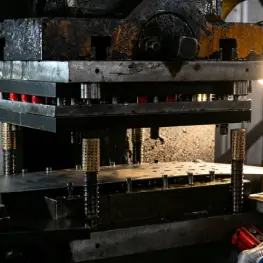
Automated Column Punching
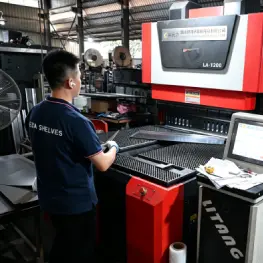
Multi-Roll Cold Forming
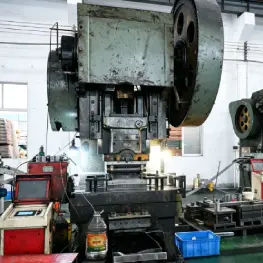
Profile Roll Forming
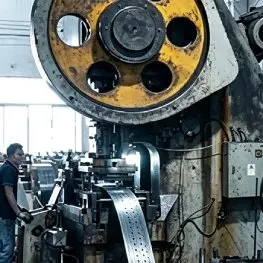
Deburring & Polishing
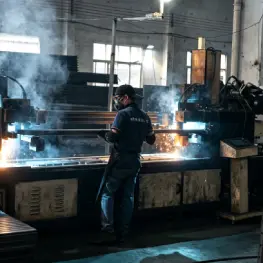
Robotic Beam Welding
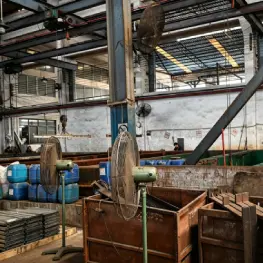
Pickling & Phosphating
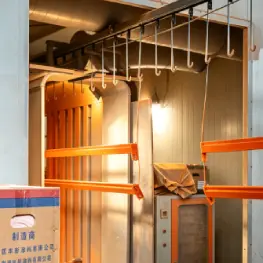
Powder Coating & Cure
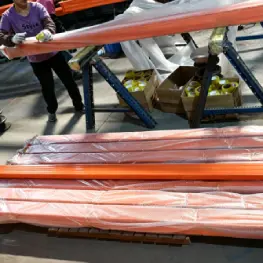
CMM Inspection & Packing
Frequently Asked Questions by Industrial Racking Buyers
Get verified answers to technical, structural, engineering, and shipping questions when importing warehouse racking systems from China.
1. How do HEDA FIFO pallet racking designs comply with Australian AS 4084-2023 and European EN 15512 standards?
2. Can your pallet flow and radio shuttle racking systems be certified for New Zealand seismic zones?
3. What pallet dimensions and bottom configurations are compatible with your FIFO gravity roller beds?
4. What is the expected service lifespan and maintenance routine for gravity brake rollers and separator mechanisms?
5. How does HEDA Shelves comply with biosecurity (ISPM-15) and import quarantine regulations for Oceania?
6. What are the standard production lead times and ocean transit durations to major international ports?
- Sydney, Melbourne, Brisbane (Australia): 14 to 20 days
- Auckland, Tauranga (New Zealand): 18 to 24 days
- Los Angeles, Long Beach (US West Coast): 16 to 22 days
- Rotterdam, Hamburg, Felixstowe (Europe): 28 to 35 days
7. What specific parameters are required to receive a complimentary 3D CAD layout and structural quotation?
- Warehouse Architectural Drawing: CAD file or PDF showing internal perimeter dimensions, column grid positions, dock doors, and building egress paths.
- Clear Usable Height: Distance from finished floor slab to underside of lowest roof obstruction, lighting trusses, or sprinkler lines.
- Concrete Slab Data: Slab thickness (e.g., 180mm–250mm) and compressive strength / allowable point load (kN).
- Pallet Specifications: Width × Depth × Maximum Overall Height (including cargo overhang) and gross pallet weight (average and maximum).
- Forklift Capabilities: Forklift model/type, maximum lift reach, collapsed mast height, and minimum right-angle stacking aisle requirement (AST).
- Operating Environment: Ambient dry warehouse, ambient chemical storage, or cold/freezer storage temperature (-20°C to -30°C).
Ready to Optimize Your Warehouse With Certified FIFO Racking?
Collaborate directly with Guangzhou HEDA Shelves Co., Ltd.'s senior structural engineering department. We prepare custom 3D CAD layouts, structural calculations, and comprehensive FOB/CIF cost matrices tailored to your pallet dynamics.