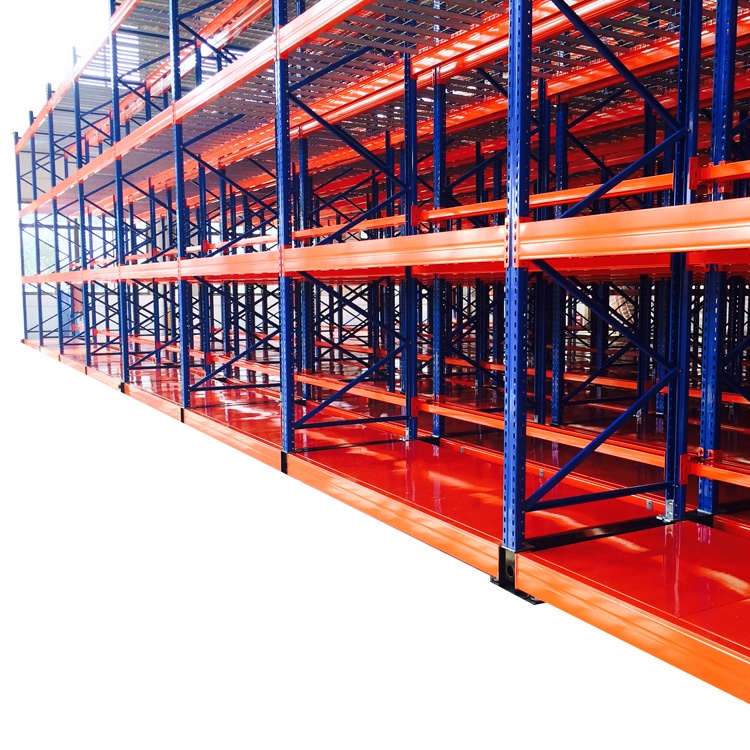
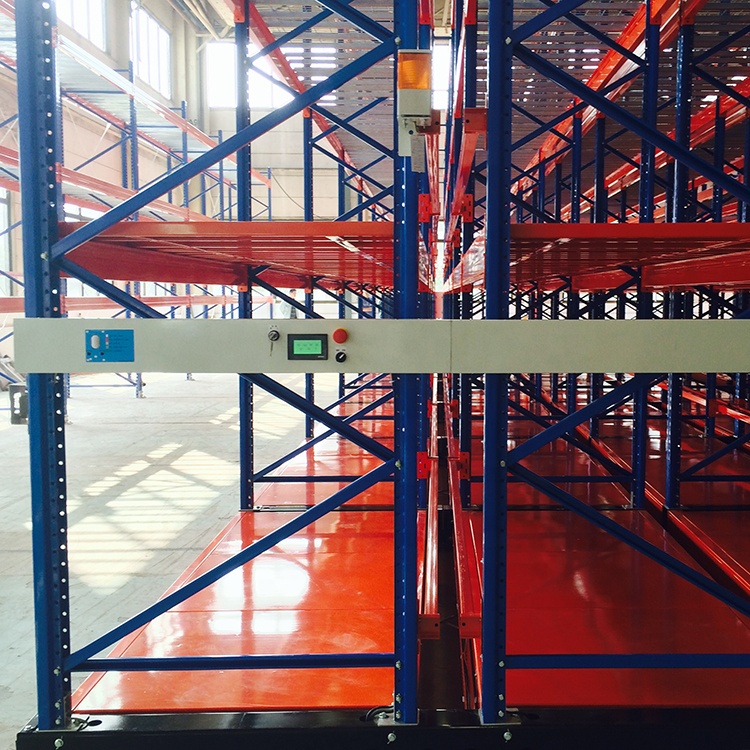
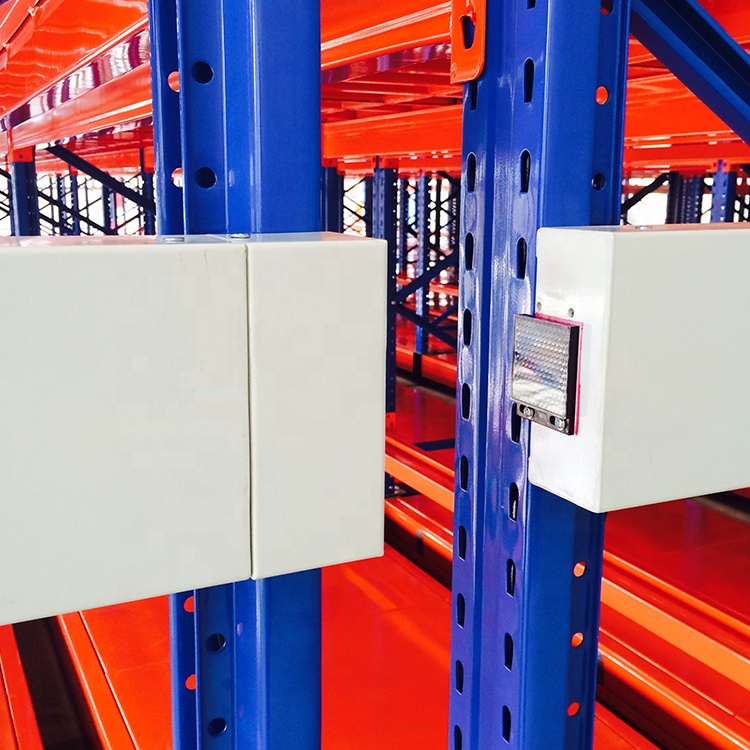
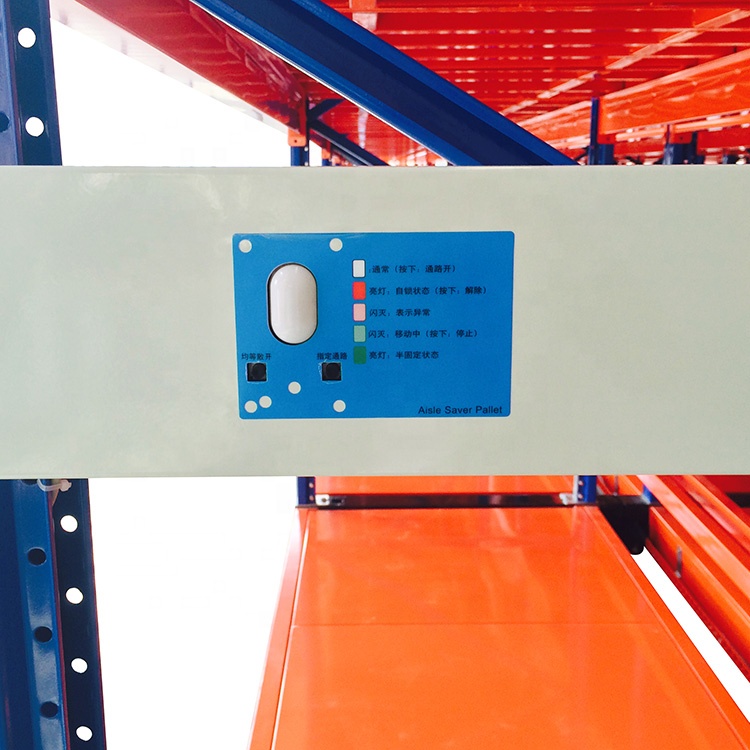
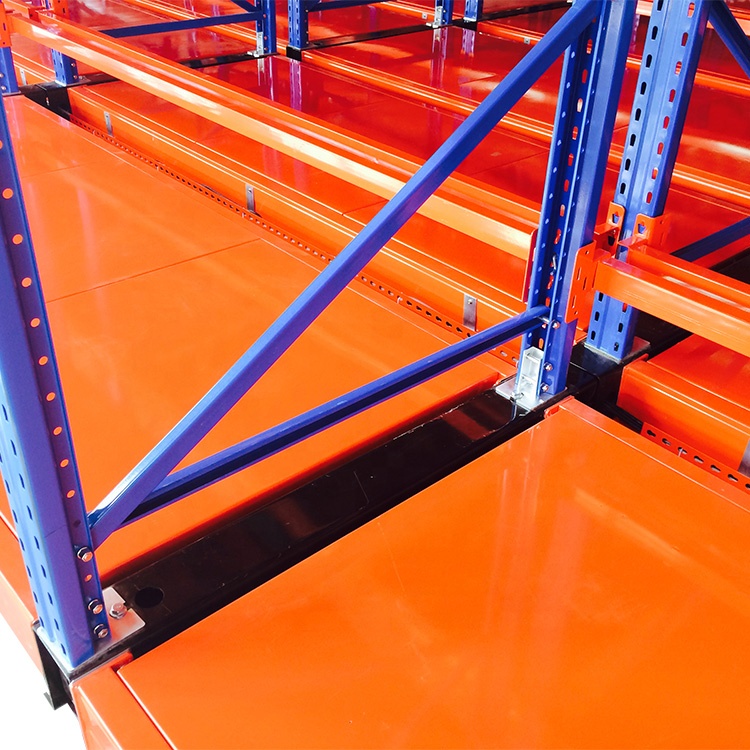
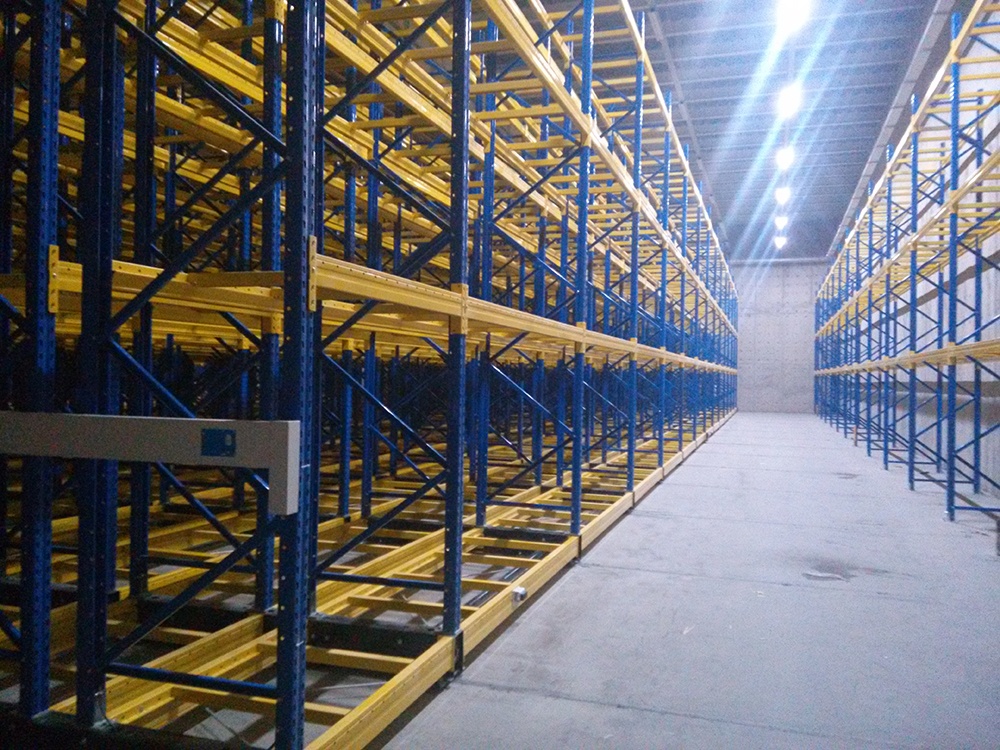
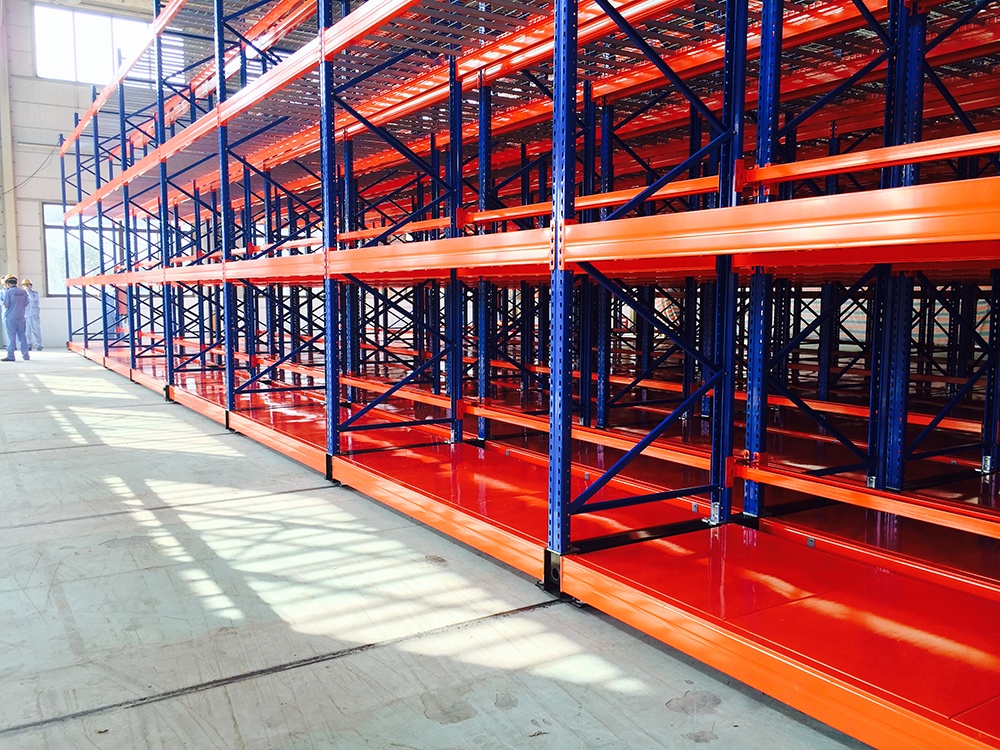
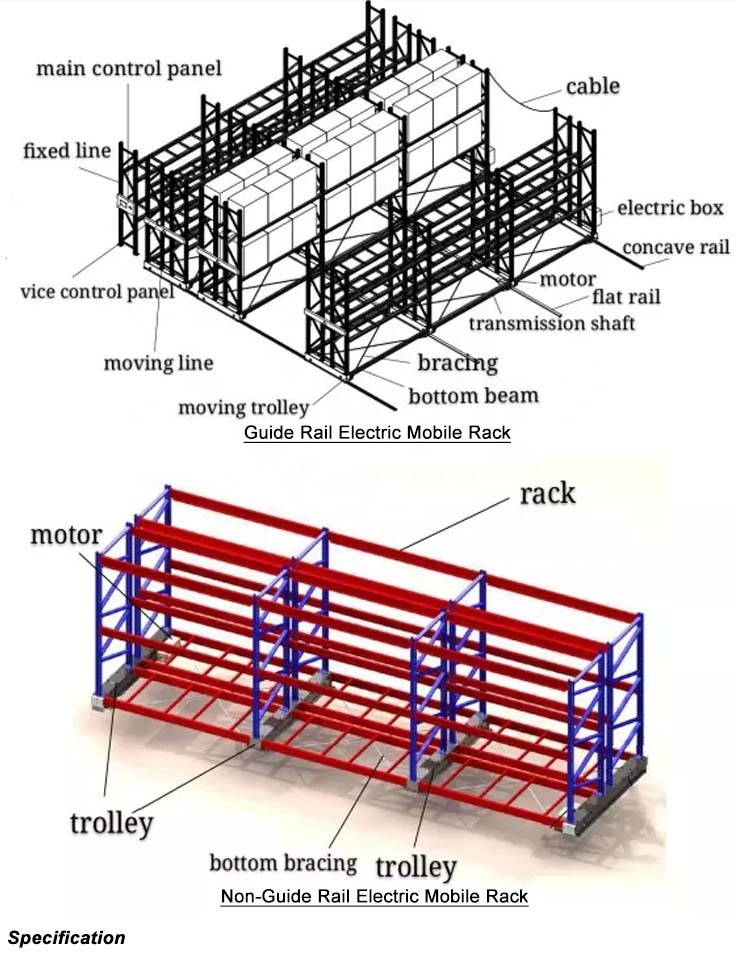
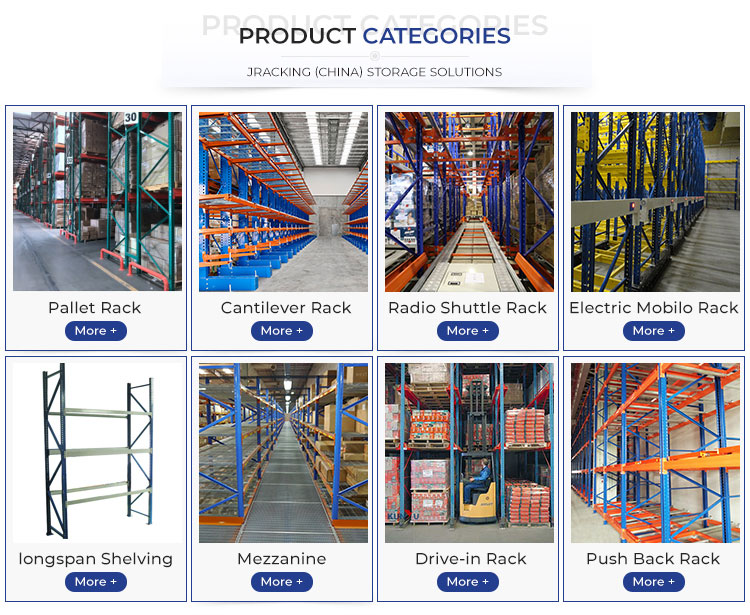
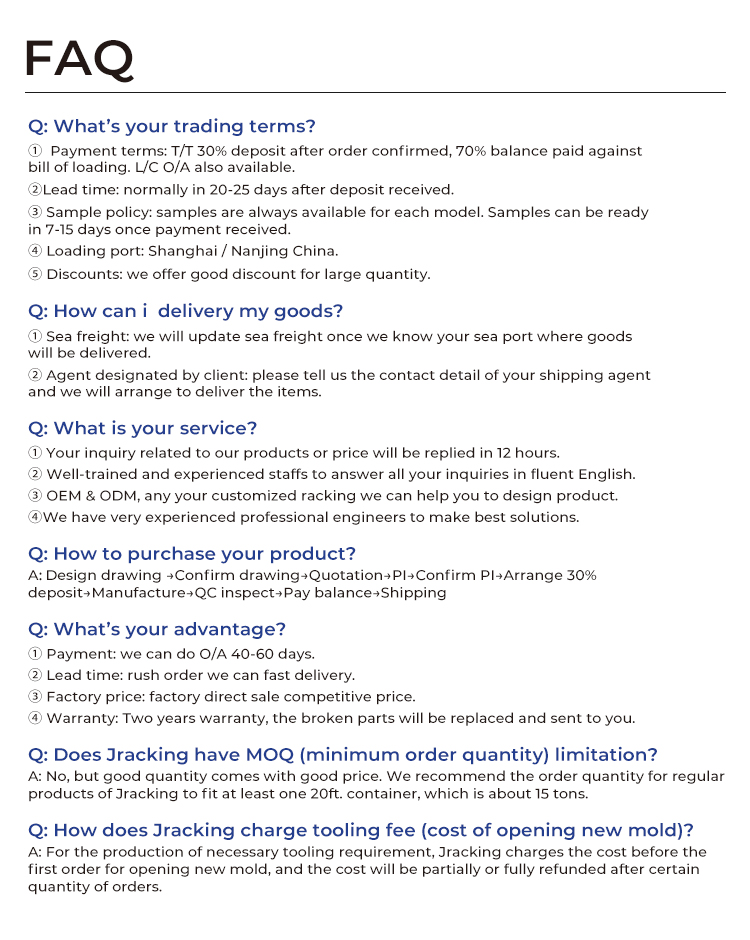
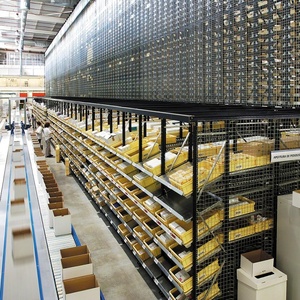
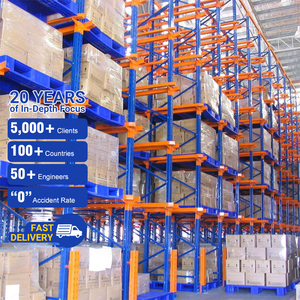
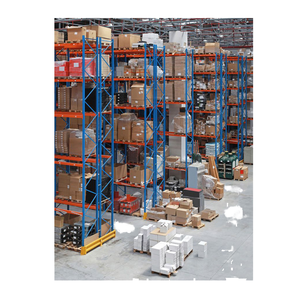
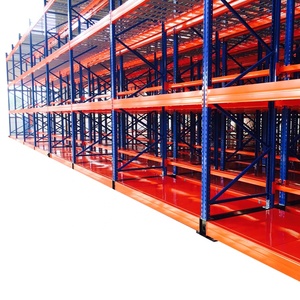
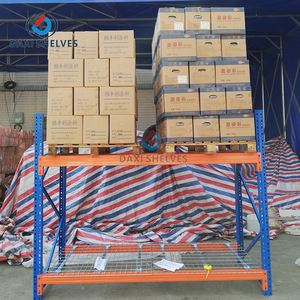
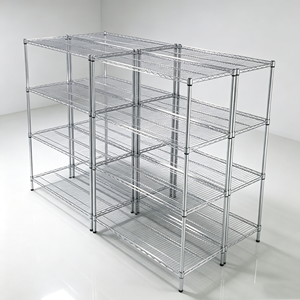
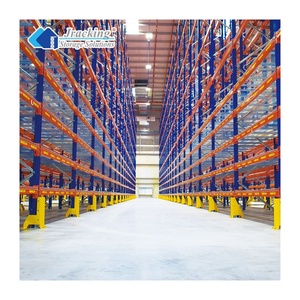
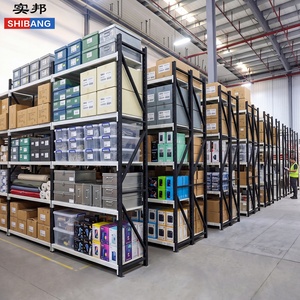
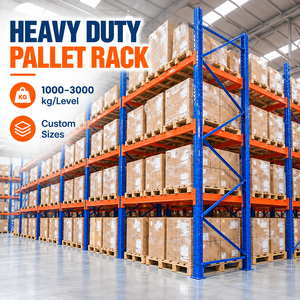
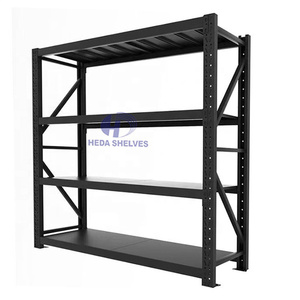
Electric mobile rack takes full advantage of the warehouse space with 3 times the space utilization rate compared to general shelves. Each unit can be moved separately along the guide rail. It is easy to operate—driving a unit requires just pressing a button. Every rack has its own transmission equipment linked to an electromotor and is equipped with safety devices. It is widely applied in refrigerated or anti-explosion warehouses, providing 100% direct access for loading and retrieval.
Name
Electric Mobile Rack
Material
Steel
Dimension
Different sizes are available
Color
Selective
Depth
Customized
Weight Capacity
Customized
Width
Customized
Height
Customized
Finish
Powder coated / Galvanised
Weld
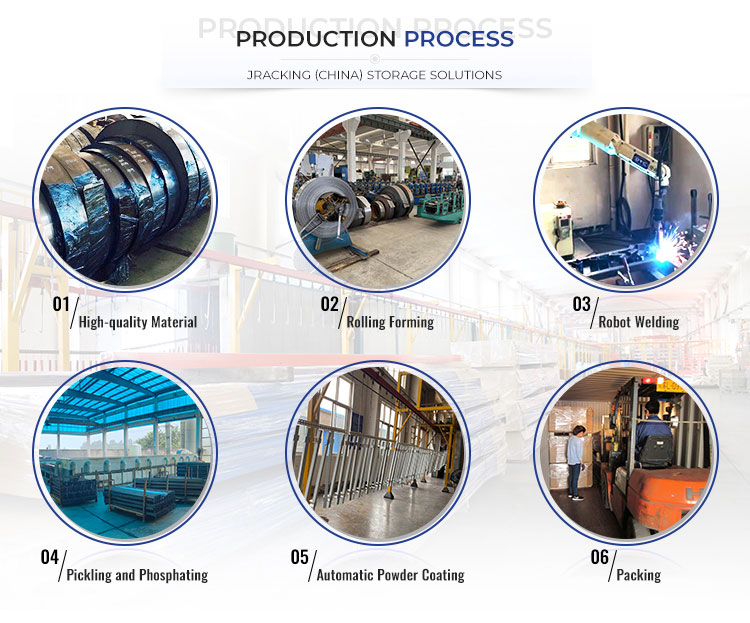
Weld for automatic welding
Rust Protection
Surface antirust
Usage
Warehouse Storage System
Function
Cold Warehouse Storage
Certification
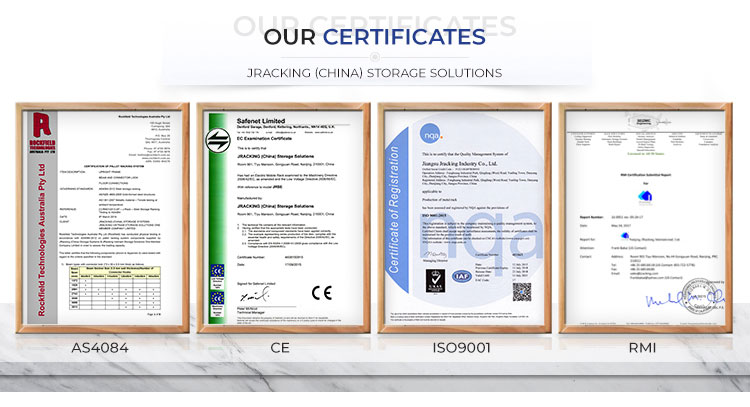
CE, ISO9001:2008
Free Sample
Available (Delivery Cost on Buyer)
OEM
Available
Product Display
Brief Introduction
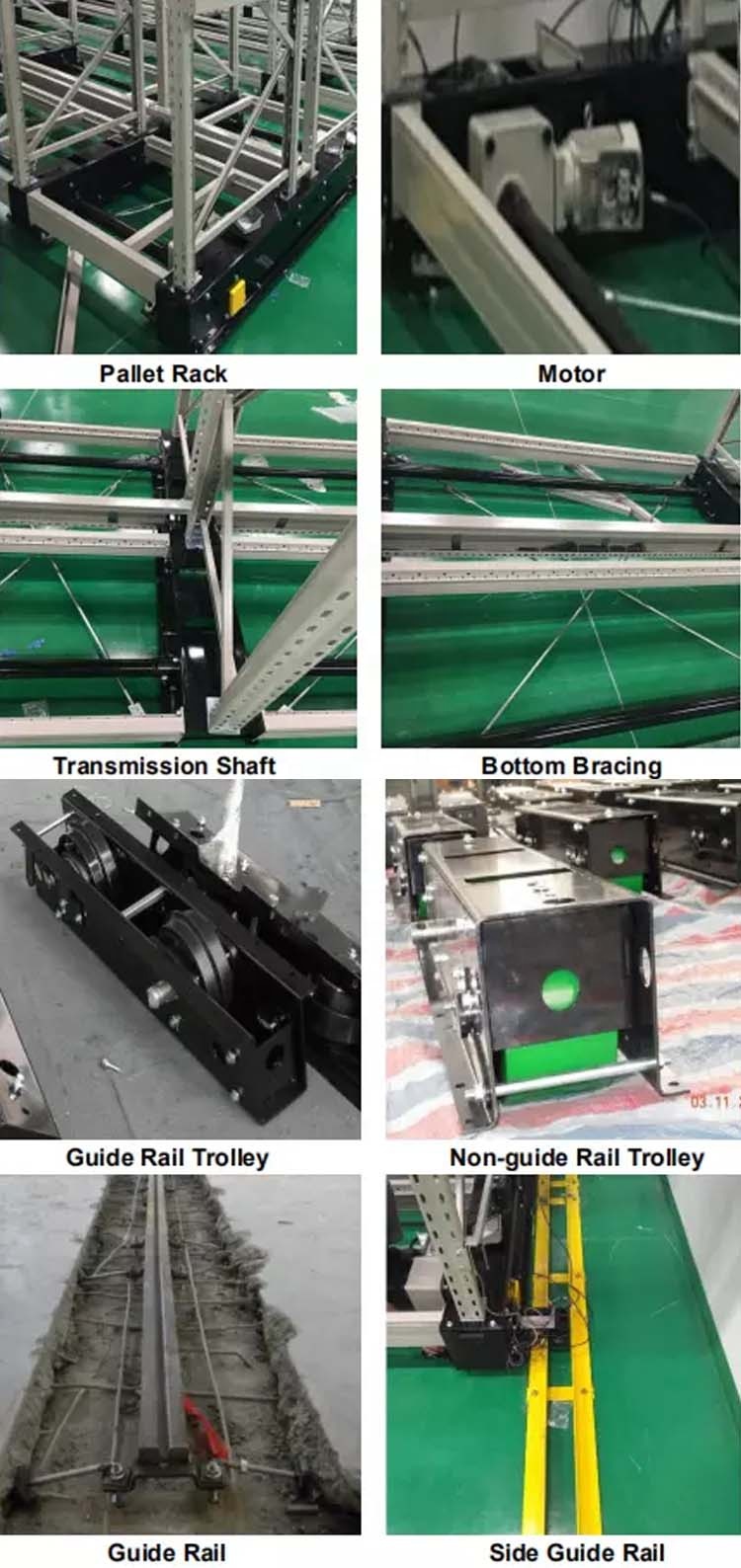
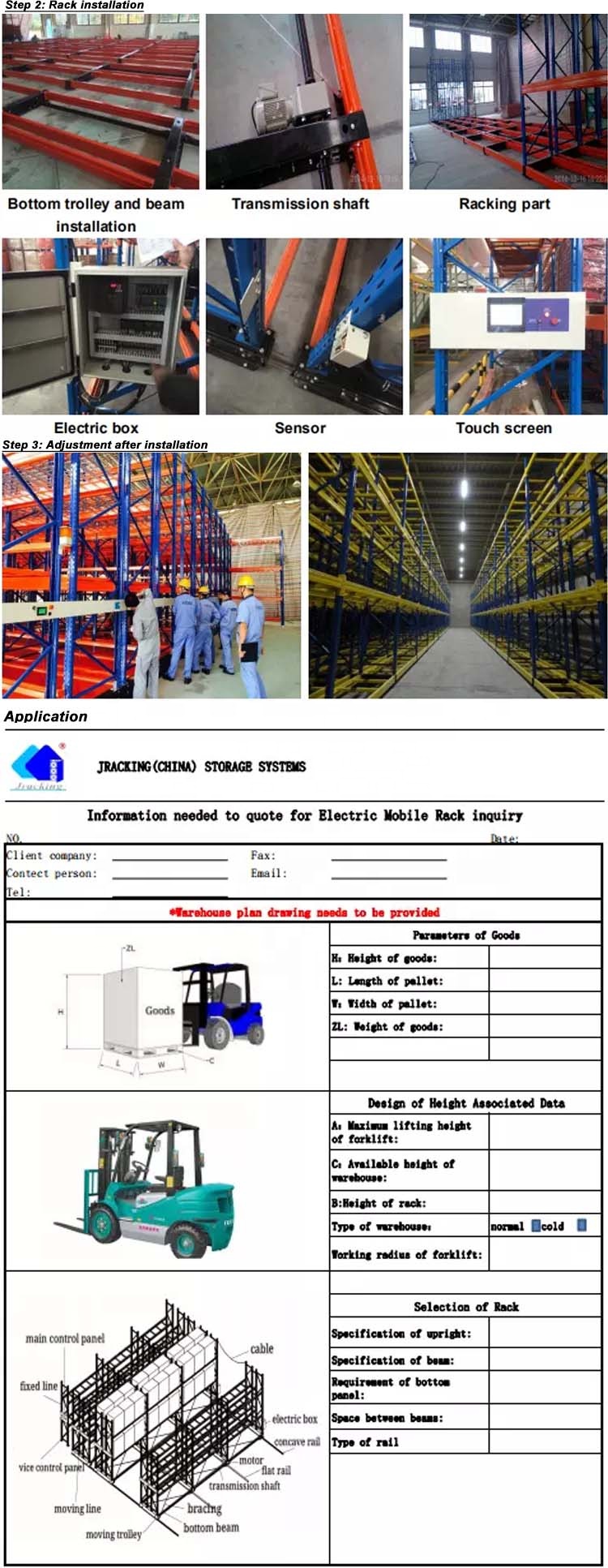
Electric Mobile Rack is the most common form of high-density storage, utilizing forklifts to access goods. Its space utilization rate can reach more than 85%. The electric mobile rack system is engineered with tracks (or guide devices), trolley (walking mechanism), motors, racks, detection sensors, an operation panel, and an intelligent software control system. According to the rail structure, it is categorized into guide rail and non-guide rail types.
Technical Parameter
Guide Rail Type
Non-Guide Rail Type
Loading Capacity
32 tons/unit
16 tons/unit
Wheel Material
Cast Iron
Polyurethane
Width of Trolley
210 / 226 mm
300 mm
System Cost
Standard
High
Running Speed
Max 10 m/min
Floor Notching
Required
Not Required
Guidance Method
Rail Guidance
Mechanical Guidance
Power of Motor
0.4 KW, 0.75 KW
Features and Advantages
Increases overall storage capacity by more than 85%.
Reduced operating and real estate costs through outstanding surface area utilization (>80%).
Optimally suited for multiple types of goods with smaller individual quantities.
Direct access to pallet slots prevents unnecessary and time-consuming product relocations.
Simple structure design, highly dependable, and easy to operate.
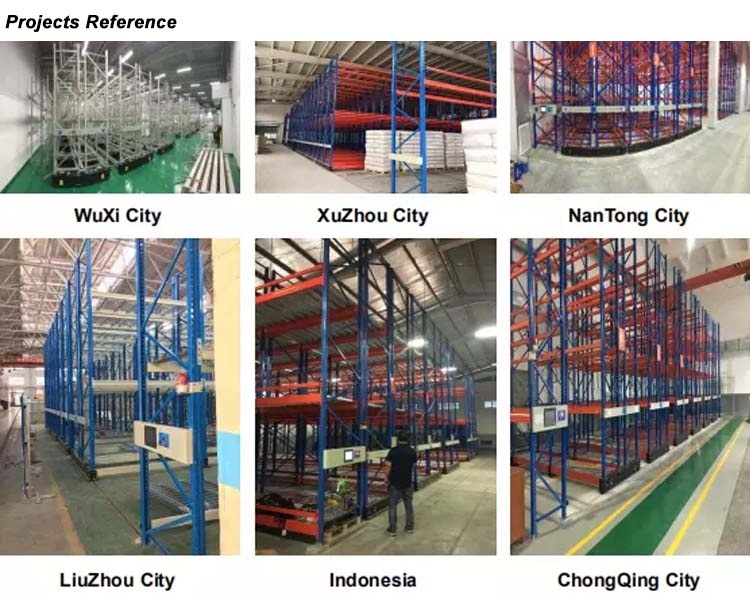
Engineered for earthquake-proof setups, deep-freeze cold storage, food/drug, and new energy sectors.
Requires notching, rail laying, concrete pouring, and rail maintenance. Suitable for warehouses requiring heavy loading capacity where floor grooving is permissible.
Eliminates the need for floor notching. Ideal for warehouses with lighter load demands or where floor excavation is restricted.
Get More Technical Information & Customized Solutions
Product Categories
Company Profile
Certifications
Production Process
Frequently Asked Questions
How does an electric mobile racking system maximize warehouse space?
Unlike static racks requiring multiple permanent aisles, electric mobile racks mount shelving onto motorized wheel bases that travel on tracks. Only a single operating aisle needs to be opened at any time, boosting storage capacity by more than 85% and achieving up to 3 times the storage density of conventional shelving.
What is the main difference between guide rail and non-guide rail systems?
The guide rail system uses embedded cast iron wheels on floor-mounted guide tracks, supporting heavy loads up to 32 tons per unit, which requires ground notching. The non-guide rail system utilizes polyurethane wheels and mechanical guidance, eliminating the need to slot the floor, making it ideal for lighter loads (up to 16 tons per unit) or facilities with floor modification limits.
Is electric mobile racking suitable for cold storage facilities?
Yes, it is highly recommended for cold and deep-freeze warehouses. Because refrigerated floor space and cooling power are costly, the extreme density of mobile racking significantly lowers energy consumption and cold storage operating expenses.
What safety mechanisms are built into the mobile racks?
Every mobile racking unit is equipped with integrated electronic detection devices, photoelectric safety barriers, anti-collision sensors, and emergency stop push buttons to instantly halt movement if an obstacle or forklift is detected in the aisle.
Can the system dimensions and loading capacities be customized?
Yes, all rack depths, widths, heights, and load capacities are custom engineered to match your facility dimensions, pallet dimensions, and specific logistical workflows. OEM configurations are fully supported.