Featured Industrial Pallet Racking & Modular Storage Systems
From single-bay selective heavy racks to automated high-density shuttle systems and multi-tier mezzanines, explore certified structures engineered for global logistics hubs and harsh industrial environments.
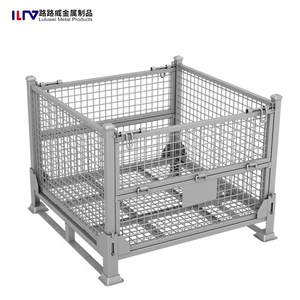
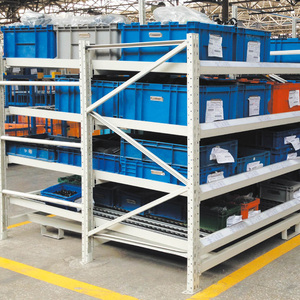
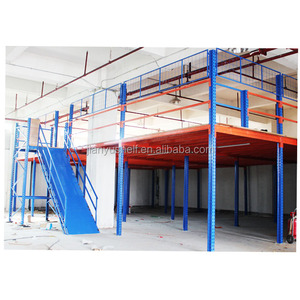
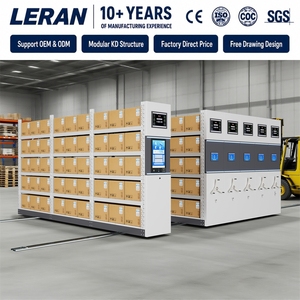
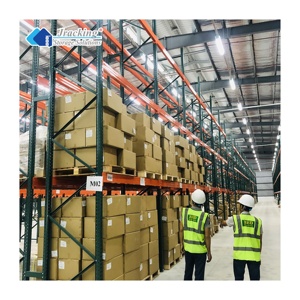
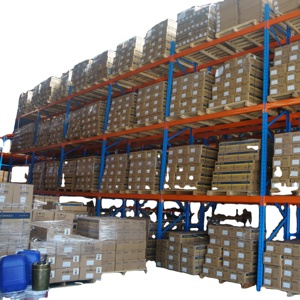
Engineering Integrity of CE-Certified Industrial Storage Systems
In modern logistics engineering, a storage rack is not mere furniture—it is a critical, load-bearing structural civil framework governed by stringent safety codes, finite element dynamics, and catastrophic collapse prevention protocols.
CE Compliance (EN 15512 & EN 15620)
Under the European Construction Products Regulation (EU No 305/2011), structural racking destined for European and global Tier-1 operations must fulfill rigorous limit-state mechanical verifications. Our CE certificate (Certificate No. 2435-CPR-8605159) validates that steel chemistry, continuous automated column punching, weld penetration, and beam-end connector moment-rotation profiles strictly conform to EN 15512 standards.
Finite Element Analysis & Cold Bending
Every cold-formed omega and teardrop profile undergoes advanced 3D FEA stress simulations. Using prime cold-rolled Q235B and Q355B structural coil, our roll-forming lines introduce precision-stiffening rib geometries. This optimizes the second moment of area (Ix, Iy) while preventing torsional-flexural buckling and local web crippling under live seismic and forklift dynamic impact forces.
AS 4084 & NZS 1170.5 Seismic Ductility
For seismically active zones across the Pacific Rim, Australia, and New Zealand, racking structures require dedicated site-specific ductile design factors. We engineer heavy-duty footplates with wedge anchoring arrays, reinforced spine cross-bracing, and heavy-gauge box beams to absorb horizontal spectral accelerations without brittle fastener shear failures.
| Structural Parameter | EN 15512:2020 (European Standard) | AS 4084-2023 (Australia / Oceania) | ANSI / RMI MH16.1 (North America) | HEDA Shelves Manufacturing Standard |
|---|---|---|---|---|
| Primary Steel Grades | S235JR, S355MC structural coil | AS/NZS 1365 Grade 250 / 350 | ASTM A1011 / A36 Cold Rolled | Certified Q235B & Q355B (MTR Verified) |
| Beam Deflection Limit | L / 200 maximum vertical deflection | L / 200 under nominal safe working load | L / 180 of clear beam span | L / 200 (Design allowable: ≤ L/250) |
| Beam Connector Safety Factor | γM = 1.1 with positive safety locking pin | Lock withstands 5 kN upward force | Locking pin prevents disengagement at 1,000 lbf | Integrated 5-Tooth Lug + Spring Pin |
| Surface Pre-Treatment | Multi-stage chemical conversion | Zinc phosphate or blast clean | Iron/zinc phosphate pre-wash | Shot-blast + 8-Stage Pickling/Phosphating |
| Seismic Design Modeling | Eurocode 8 modal response spectrum | AS 1170.4 / NZS 1170.5 Dynamic Analysis | ASCE 7 / FEMA 460 RMI Provisions | Custom FEA Node & Baseplate Calibration |
Future Procurement Trends in Industrial Storage Systems (2025–2030)
Supply chain executives and procurement directors face unprecedented structural shifts. Navigating warehouse construction inflation, rising cubic real estate costs, and decarbonization benchmarks demands a forward-looking procurement roadmap.
1. Cubic Real Estate Maximization
Horizontal land acquisition costs have surged across metropolitan transit corridors. Global procurement trends have pivoted aggressively toward ultra-tall high-bay racking (15m to 35m+) and modular structural mezzanine platforms. Buyers now evaluate racking suppliers based on "storage density per cubic meter" rather than simple unit frame cost.
2. Total Cost of Ownership (TCO) Direct Sourcing
Distributors and 3PL operators are bypassing intermediary brokers in favor of factory-direct partnerships. Direct factory procurement secures millimeter-level CAD customizations, comprehensive material test certificates (MTRs), and significant economies of scale, slashing project CAPEX by 22% to 38% while streamlining warranty enforcement.
3. Low-Carbon Steel & Eco-Finishes
ESG disclosures and the EU Carbon Border Adjustment Mechanism (CBAM) are compelling enterprise buyers to demand verified Environmental Product Declarations (EPDs). Procurement contracts increasingly specify heavy-metal-free, zero-VOC electrostatic powder coatings and high-efficiency closed-loop steel recycling credentials.
4. Automation-Ready Engineering
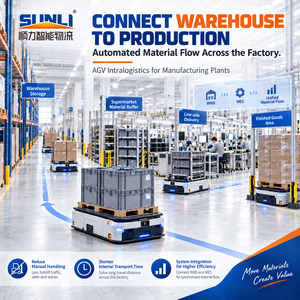
Static manual racks are frequently rendered obsolete by sudden automation upgrades. Astute buyers now mandate "hybrid-readiness"—specifying upright punch profiles, beam web dimensions, and floor track tolerances capable of integrating Autonomous Mobile Robots (AMRs), shuttle carts, and automated pallet cranes later without total frame tear-down.
5. Biosecurity & Fast-Track Customs
Customs and biosecurity clearance holds represent substantial hidden freight costs. Importers in Oceania (DAFF/MPI) and the Americas require certified export packing protocols, including ISPM-15 heat-treated dunnage, heavy-duty steel stillage packaging, and pre-cleared electronic manifests with preferential FTA documentation.
6. Regional Seismic Verification
Global logistics hubs are expanding in seismically complex zones. Leading global enterprise buyers no longer accept generic engineering stamps. Instead, they require bespoke calculations referencing local building codes—ensuring floor anchor depth, anchor shear resistance, and structural ductilities are fully certified by local licensed structural engineers.
Technological Innovations Driving Heavy Industrial Storage
The storage rack is evolving from an inert passive structure into an intelligent, sensor-monitored, dynamic component of the high-speed autonomous supply chain.
Four-Way Radio Shuttle Ecosystems
Traditional drive-in systems present significant operational bottlenecks and rack strike vulnerabilities. Modern developments favor intelligent 4-way pallet shuttle systems. Traveling at speeds up to 1.5 m/s across high-precision roll-formed track profiles, shuttles optimize dense storage depth (up to 30 pallets deep) with sub-millimeter positioning, cutting forklift travel time by 60%.
Structural Health Monitoring (SHM)
Forklift impacts represent the leading root cause of catastrophic racking failures. Next-generation smart racks integrate wireless micro-electro-mechanical system (MEMS) triaxial accelerometers and strain gauges onto lower upright columns. These IoT sensors log real-time impact energies, alerting warehouse managers to yield-level impacts via WMS dashboards before progressive failure occurs.
Advanced Roll-Forming Metallurgy
Manufacturing advancements in multi-pass continuous cold-roll forming allow for complex upright profiles featuring up to 16 reverse-bend stiffening facets. Utilizing ultra-high-strength micro-alloyed steel sheets allows a 15% reduction in dead tare weight while increasing permissible axial column loads by more than 28% compared to legacy box designs.
Guangzhou Heda Shelves Co., Ltd. — Your Global Engineering Partner
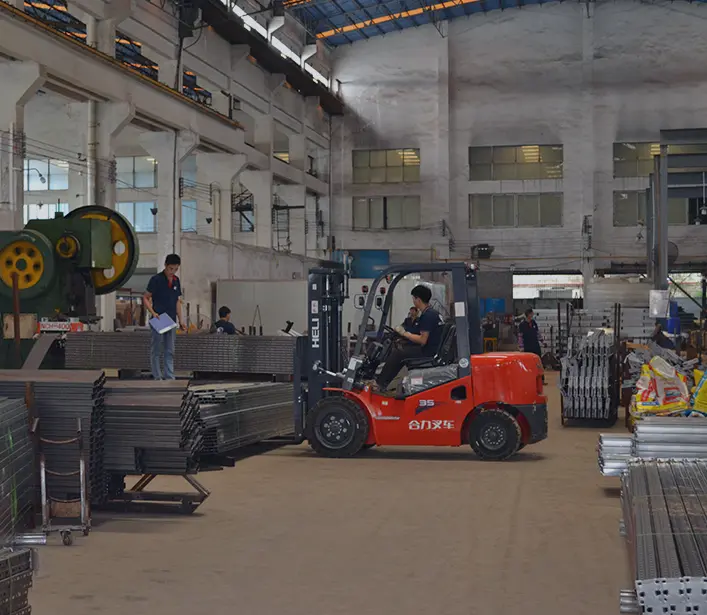
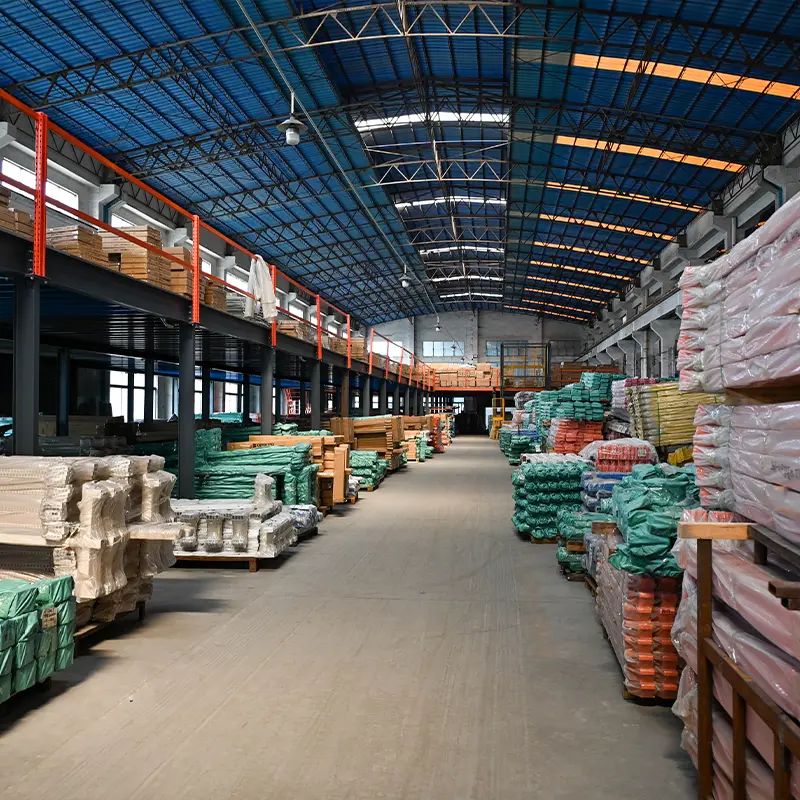
Established in 2001, Guangzhou Heda Shelves Co., Ltd. has grown from a specialized steel fabrication facility into an international manufacturing powerhouse. Operating a state-of-the-art 30,000 m² factory equipped with computerized CNC continuous punching lines, automatic roll-forming mills, and dual electrostatic powder coating tunnels, we deliver turnkey industrial storage systems designed to perform under extreme operational demands.
-
30,000 Tons Monthly Output Massive steel roll-forming capacity guaranteeing short lead times for multi-thousand bay logistics hubs.
-
300+ Dedicated Personnel Over 50 in-house structural engineers, FEA calculation specialists, and certified QC inspectors.
-
Free 3D & CAD Design Services Complete layout simulation, pallet layout optimization, and engineer review drawings supplied within 24 hours.
-
Rigorous 10-Stage Quality Control From raw coil spectrometer verification to ultrasonic weld testing and impact-resistant powder cure checks.
 CE Certificate No. 2435-CPR-8605159
 ISO 9001:2015 No. 18624Q00169R0M
 RoHS Non-Toxic Coated
Frequently Asked Questions for Industrial Racking Procurement
Essential technical, compliance, logistical, and structural answers prepared by HEDA senior engineering directors to assist global procurement teams.
Optimize Your Warehouse Real Estate with Certified Racking Systems
Don't leave your warehouse capacity to guesswork. Our senior intralogistics structural engineering team will evaluate your warehouse layout, analyze your pallet turnover matrix, and deliver a comprehensive Free 3D CAD System Simulation & Load Verification Report within 24 hours.