Precision Structural Racking & Heavy-Duty Storage Configurations
Explore factory-certified wide aisle, selective, dynamic flow, and heavy industrial profile systems manufactured under strict CE CPR No. 2435-CPR-8605159 and ISO 9001:2015 quality control.
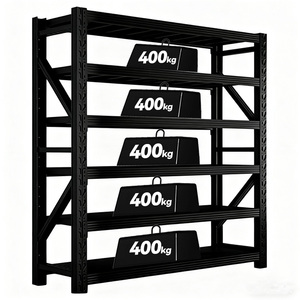 Adjustable Steel
5/6 Layer Heavy Light Duty Steel Warehouse Rack Adjustable Industrial Shop Storage 400kg Garage Metal Workshop Shelf
- Capacity: 400kg - 800kg UDL / Level
- Material: Cold-rolled Q235B High-Tensile Steel
- Pitch: 50mm Adjustable Beam Slotting
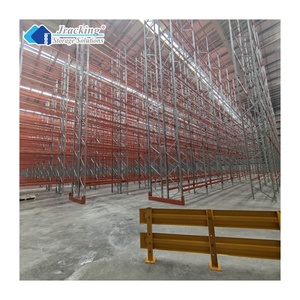 AS 4084 Compliant
Jracking Heavy Duty Steel Warehouse Storage Rack System Customized AU Standard Pallet Racking For Factory Workshops
- Standard: AS 4084-2023 & CE Certified
- Profile: 90/100/120mm Heavy Omega Upright
- Aisle Design: 3.2m - 3.8m Counterbalance Reach
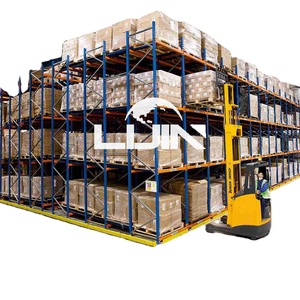 Dynamic FIFO Flow
High Standard OEM Live Pallet Rack Gravity Flow Rack
- Rotation: First-In First-Out (FIFO) Roller Bed
- Brakes: Integrated Speed Magnetic Dampers
- Integration: Fast-Moving FMCG / Cold Store
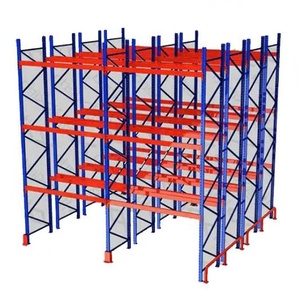 Wide Aisle Selective
Perter High Density Storage Stack Selective Heavy Duty Pallet Racking System Design Warehouse Pallet Shelves
- Direct Access: 100% Individual Pallet Selectivity
- Bay Load: Up to 22,000kg Static Frame Load
- Connectors: 4-Claw Interlocking Safety Lug
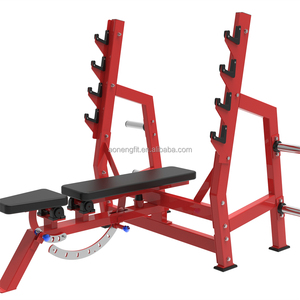 Specialized Frame
Wholesale Bodybuilding Commercial Gym Equipment Multi Function Safety Adjustable Chest Push Rack for Arm Back Muscle Exercise
- Fabrication: Robotic Continuous Seam Weld
- Steel: Heavy Gauge Structural Tube Engineering
- Coating: Dupont Anti-Scratch Powder Layer
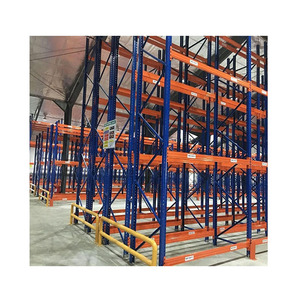 Hot-Dip Galvanized
industrial galvanized steel rack heavy duty pallet racking system VNA/double deep high density warehouse storage racks
- Protection: ISO 1461 Hot-Dip Zinc Coating
- Operation: Coastal & Sub-Zero Freezers (-35°C)
- Modularity: Wide Aisle / Double Deep Hybrid
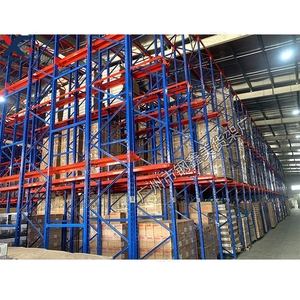 Drive-In / High Density
Boltless Metal Steel Stacked Parking System Refrigerated Warehouse Drive-in Rack Double Pallet Rack System
- Space Efficiency: 85% Volume Floor Utilization
- Arm Support: Continuous Heavy Formed Cantilever
- Thermal Testing: Certified for Extreme Cold Stores
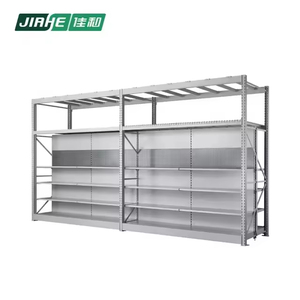 Retail & Bulk Hybrid
Heavy Duty Hypermarket Shelving Industrial Shelving Warehouse Heavy Duty Storage Rack Integration Racking
- Dual Function: Pallet Buffer Above, Pick Face Below
- Deck Options: Steel Wire Mesh, Timber or Perforated
- Standards: Retail Public Space Deflection Compliant
Structural Principles of CE Certified Wide Aisle Selective Racking
A rigorous engineering evaluation of load vectors, cold-formed omega upright profiles, nodal connector stiffness, and structural safety parameters under European EN 15512 and International AS 4084 benchmarks.
Cold-Formed Omega Upright Profiles
Wide Aisle Pallet Racking (APR) structural stability relies upon cold-rolled Omega-section upright columns. Rolled from micro-alloyed structural steel (Q235B to Q355B), uprights feature multi-bend profiles configured to maximize the second moment of area (Iy & Iz) while suppressing local, distortional, and torsional-flexural buckling modes under asymmetric warehouse loads.
- Profile widths: 80mm, 90mm, 100mm, 120mm with steel gauges from 1.8mm to 2.5mm
- Yield strength thresholds engineered up to 355 MPa for high-bay stability
- 50mm and 75mm slotted connection centers calibrated for high connection stiffness
Interlocking Connector Endplates & Moment Resistance
The beam-to-column node is the primary mechanism resisting lateral wind, seismic, and accidental forklift sway in wide aisle structures. Our CE-certified beams utilize multi-claw end connectors laser-welded with automated continuous lines. These provide predictable rotational stiffness, ensuring rotational slip is restricted within EN 15512 execution limits.
- 3-claw and 4-claw cold-stamped end connectors with automatic safety lock pins
- Spring-loaded steel safety pins resisting dislodgement shear loads exceeding 5.0 kN
- Box beam profiles with continuous robotic seam welding preventing torsion
Deflection Limits & Structural Safety Factors
Structural reliability requires rigorous limit-state design criteria. Beam deflection under full Uniformly Distributed Load (UDL) is restricted to a maximum of L/200 (optional L/250 for automated crane and AGV integration). Frame stability checks integrate second-order P-Delta effects, floor slab compression elasticity, and dynamic forklift impact margins.
- Deflection tolerance limit: maximum vertical deflection ≤ L/200 in span length
- Global safety factor: γM ≥ 1.4 for dead/live structural combinations
- Accidental impact capacity: 2.5 kN upright baseline reinforcement absorption
Comparative Performance Matrix: Industrial Pallet Racking Systems
Operational trade-off analysis comparing Wide Aisle Racking against alternative warehouse racking typologies for global logistics procurement teams.
| Racking Topology | Aisle Width (Operating) | Selectivity Ratio | Storage Volume Density | Forklift Equipment Compatibility | Capital Investment (CAPEX) | Throughput Velocity |
|---|---|---|---|---|---|---|
| Wide Aisle (Standard Selective) | 3,200mm – 3,800mm | 100% Direct | Moderate (40–50%) | Standard Counterbalance, Reach Truck | Lowest TCO | Maximum (Fastest Pick) |
| Very Narrow Aisle (VNA) | 1,600mm – 1,900mm | 100% Direct | High (65–75%) | Specialist VNA Turret Truck, Wire/Rail Guided | High (Slab & Truck) | Moderate to High |
| Double Deep Racking | 3,000mm – 3,400mm | 50% Immediate | High (60–65%) | Pantograph Reach Truck (Telescopic Forks) | Low to Medium | Moderate (Re-handling) |
| Drive-In Racking | Lane-Based (No Aisles) | LIFO / Low | Extreme (80–85%) | Counterbalance, Reach (Drive Inside) | Medium | Slow (Batch Only) |
| Radio Shuttle System | Semi-Automated Lanes | FIFO or LIFO | Maximum (85–90%) | Standard Reach + Autonomous Shuttle Cart | High (Robotics) | High (Semi-Auto) |
Strategic Procurement Trends in Wide Aisle Pallet Systems
How supply chain executives, global distributors, and cold storage developers are balancing decarbonization mandates, seismic resilience, and material automation integration.
Autonomous Forklift & AMR Harmonization
Wide aisle configurations are emerging as the prime testing bed for Autonomous Mobile Robots (AMRs) and automated counterbalance forklifts. Unlike narrow aisles that tolerate zero sensor drift, wide aisle racking provides optimal LiDAR/SLAM localization clearance, enabling facilities to introduce robotic picking fleets without exorbitant floor re-leveling costs.
Low-Carbon "Green" Steel Procurement
Global logistics contracts in Europe, Australia, and North America increasingly demand Environmental Product Declarations (EPD). Tier-1 manufacturers are transitioning from traditional blast-furnace hot bands to Electric Arc Furnace (EAF) scrap-recycled structural steel, reducing embedded carbon emissions per pallet position by 35% without forfeiting structural yield strength.
Dynamic Seismic Ductility Engineering
Warehouses across New Zealand, the Pacific Rim, and Southern Europe are facing rigorous seismic mandates (NZS 1170.5, Eurocode 8). Procurement specifications have shifted from rigid static over-sizing to calibrated ductility (R-factor) baseplate engineering, featuring sacrificial energy-dissipating anchors that absorb ground acceleration without beam-column disengagement.
Integrated Sensor-Embedded Uprights
Smart upright protection is moving from passive polymer sleeves to integrated IoT strain-gauge telemetry. Next-generation installations integrate impact-detection nodes along high-traffic transfer aisles, alerting facility managers via central WMS dashboards to real-time structural strikes, overload conditions, or localized deflection anomalies.
25 Years of Precision Engineering for High-Stakes Global Supply Chains
Guangzhou Heda Shelves Co., Ltd. is an internationally recognized structural storage manufacturer operating a state-of-the-art 30,000 m² production base staffed by over 300 experienced engineers, technicians, and logistics specialists. We deliver turn-key engineering, 3D CAD stress modeling, and high-volume containerized export packaging for major distribution centers across Europe, Australia, New Zealand, the Pacific Islands, and the Americas.
Unlike simple traders, our in-house manufacturing ecosystem controls the entire structural lifecycle: from high-precision roll profiling and robotic beam welding to our multi-stage zinc phosphating pre-treatment and electrostatic powder coating line. Our factory operates in strict conformity with CE CPR No. 2435-CPR-8605159, ISO 9001:2015 Quality Management (Cert No. 18624Q00169R0M), and RoHS environmental directives.
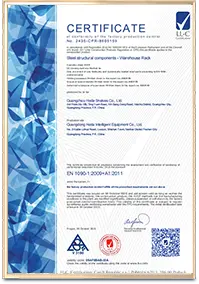 CE Certificate
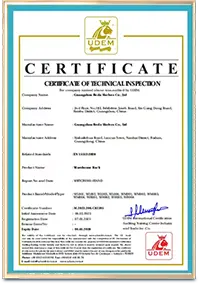 ISO 9001:2015
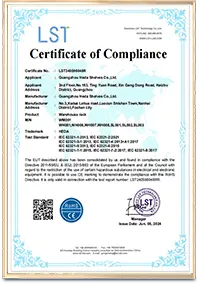 RoHS Certificate
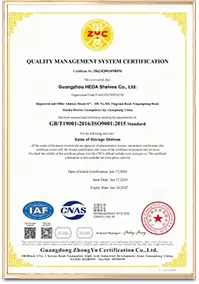 Test Report
10-Stage Precision Heavy Industrial Manufacturing Process
Every beam, upright column, bracing diagonal, and baseplate is manufactured through automated machinery, ensuring metallurgical consistency and dimensional accuracy across high-volume export orders.
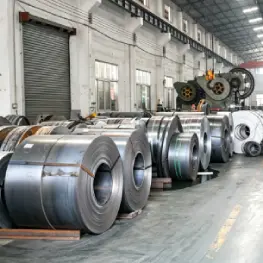
Raw Material QC
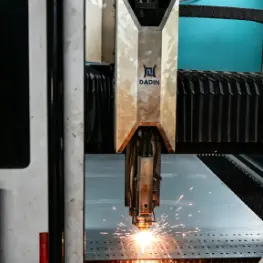
Precision Cutting
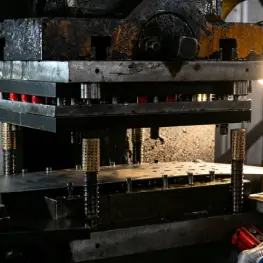
Column Punching
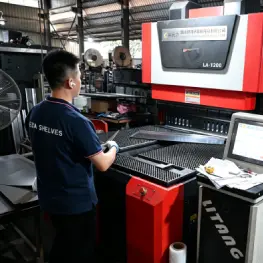
Cold Bending
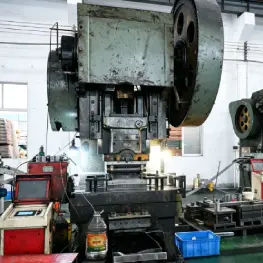
Profile Roll Forming
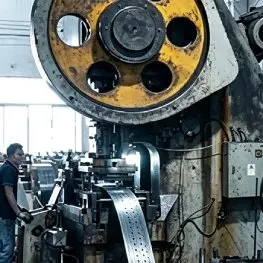
Surface Polishing
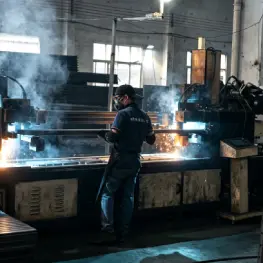
Robotic Welding
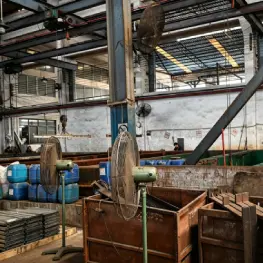
Pickling & Phosphating
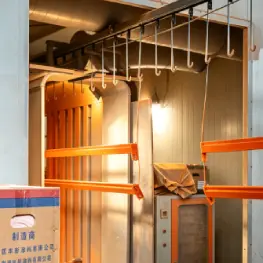
Powder Coating
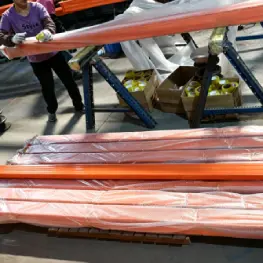
Final QC & Shipping
Frequently Asked Questions: Global Racking Procurement & Compliance
Essential technical, regulatory, structural, and logistical questions answered for warehouse directors, structural engineers, and international procurement managers.
What specific criteria does CE Certification mandate under CPR 305/2011?
Under the European Construction Products Regulation (EU CPR 305/2011) and EN 1090-1 / EN 15512, steel storage racking used as structural building components or load-bearing logistics frameworks must demonstrate Factory Production Control (FPC). Our CE Certificate (No. 2435-CPR-8605159) guarantees that raw materials meet yield and tensile thresholds, weld procedures are certified to ISO 15614, and load tables supply verified allowable bending moments and deflection curves.
How does Wide Aisle Racking integrate with standard Counterbalance and Reach Forklifts?
Wide aisle layouts are typically engineered with aisle clear widths spanning 3,200mm to 3,800mm for conventional counterbalance forklift trucks, and 2,700mm to 3,100mm for reach trucks. Aisle dimensions are determined by calculating the forklift's outer turning radius (Wa), load overhang distance (x), pallet dimensions, and adding a mandatory 200mm clearance margin per standard FEM 10.2.02 / AS 4084 guidelines.
How do you verify compliance with Australian AS 4084 and New Zealand NZS 1170.5?
For Oceanic orders, Heda Shelves supplies structural engineering data sheets including section modulus, moment of inertia, beam connector shear capacities, and baseplate anchorage calculations formatted for local certifiers. For high-seismic zones (e.g., Wellington, Christchurch), uprights are upgraded with heavy-duty back-to-back stiffeners, enlarged baseplates, and high-tensile chemical anchors to absorb design ground accelerations.
What are the floor slab tolerance specifications (TR34) required for installation?
Because wide aisle racking relies on standard counterbalance or reach trucks rather than mast-stabilized turret trucks, slab flatness tolerances are governed by Concrete Society Technical Report 34 (TR34) Classification FM3 or FM2. This eliminates the need for expensive ground-level laser grinding required by VNA systems, substantially reducing overall warehouse construction capital expenditure.
What finishes are available for humid, coastal, or extreme sub-zero cold storage?
For standard ambient warehouses, our 60–80 micron electrostatic epoxy-polyester powder coating delivers long-term corrosion resistance. For sub-zero freezers (-30°C) with persistent condensation, or open-sided coastal transit facilities in Australasia and Southeast Asia, we supply ISO 1461 hot-dip galvanized components with zinc coating thicknesses ranging from 65 to 85 microns, preventing internal tube rust.
How do you address biosecurity, DAFF, and MPI border inspection protocols?
Cross-border export shipments must comply with stringent timber pest regulations. Heda Shelves packs all heavy components using custom-welded steel stillages or ISPM-15 certified heat-treated and debarked dunnage stamped with verified treatment markings. Every container is accompanied by clean commercial invoices, detailed component packing lists, and certified mill test certificates to prevent port quarantine delays.
What is the typical sea freight transit and lead time from your factory?
Standard fabrication cycle for orders ranging from 2 to 20 containers (40ft HQ) averages 20 to 25 business days. Direct sea freight from our South China port to major oceanic and international ports (Sydney, Melbourne, Auckland, Rotterdam, Long Beach, Singapore) ranges from 12 to 28 days depending on the maritime carrier. Full customs clearance documentation (ChAFTA, Form E, Bill of Lading) is released prior to vessel docking.
How are load signage plaques and operational safety ratings delivered?
Every completed racking project is accompanied by aluminum or rigid PVC load safety plaques engineered to EN 15635 and AS 4084 requirements. These plaques explicitly stipulate Maximum Permissible Unit Load per pallet, maximum uniformly distributed load per beam level, maximum total frame bay capacity, and mandatory clear flue and ceiling distances for fire sprinkler hydraulic coverage.
Accelerate Your Logistics Project with a Free Engineering Layout
Connect directly with Heda Shelves’ structural engineering department. Provide your warehouse floor plan, ceiling clear height, forklift model, and pallet payload parameters to receive an optimized 3D CAD layout, load calculation tables, and complete FOB/CIF quotation within 24 hours.