Engineered Industrial Roller Racking & Pallet Storage Configurations
Browse our field-proven warehouse installations. Every system is fully customizable via our Guangzhou manufacturing base, providing complete load calculations, finite element analysis (FEA), and custom finishes.
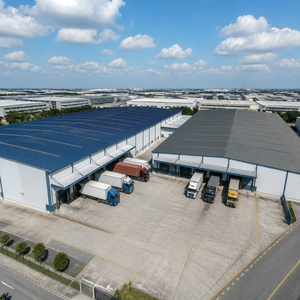 High Bay Structure
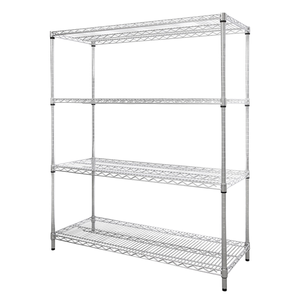 Carton Picking
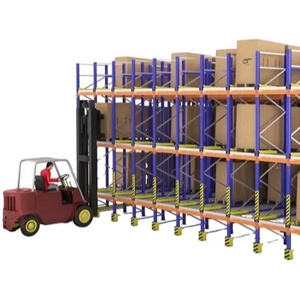 Core Roller Flow
 Modular Stillage
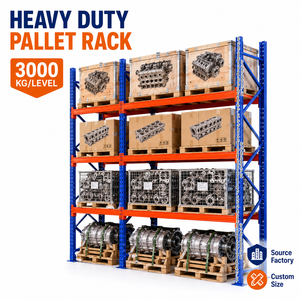 Heavy Duty Storage
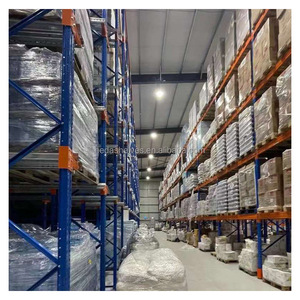 Boltless Quick-Lock
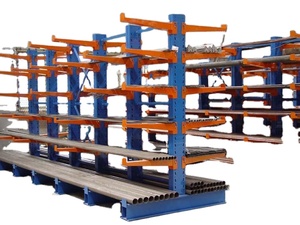 Long Profiles
Kinematics & Structural Design of Heavy-Duty Roller Racking Systems
A dynamic Roller Racking System (frequently referred to in material handling engineering as Gravity Flow Pallet Racking or Pallet Flow Racking) operates on an inclined dynamic plane (typically calibrated between 2.5% to 3.5% gradient). Unlike static selective racking that requires deep access lanes for material handling equipment, dynamic roller beds utilize natural gravity to convey palletized loads seamlessly from an induction/loading face to a dedicated retrieval aisle.
For operations handling perishable consumer goods (FMCG), cold store pharmaceuticals, or high-throughput distribution hubs across Oceania and North America, implementing certified roller racking guarantees strict First-In, First-Out (FIFO) batch turnover, decreases internal forklift transit distances by up to 42%, and compacts required floor space by eliminating non-productive access aisles.
Calculated performance metrics: Gravity Roller Racking vs. Alternative High-Density Methodologies.
| Storage Paradigm | Density | FIFO Compliance | Forklift Cycle Time |
|---|---|---|---|
| Roller Flow Rack | Very High (85%) | 100% Strict FIFO | Optimal (-40%) |
| Selective Racking | Low (40%) | 100% Direct Access | Baseline (Standard) |
| Drive-In Racking | High (75%) | LIFO Strict Only | Sluggish (+35%) |
| Radio Shuttle System | Maximum (90%) | FIFO / LIFO Hybrid | Fast (Automation Dependent) |
Strategic Technological Trends in Modern Dynamic Roller Systems
As smart factories and high-throughput distribution centres accelerate automation, roller racking systems are transitioning from passive mechanical chutes into intelligent, sensor-integrated storage cells.
Telemetric & Inertial Braking Rollers
Traditional friction-based brake drums are rapidly being upgraded with non-wearing eddy-current magnetic brake rollers. These contact-free magnetic deceleration components eradicate mechanical lining erosion, eliminating dust generation inside cleanroom pharmaceutical and baby-formula distribution centers while extending maintenance intervals past 750,000 dynamic cycles.
AMR & AGV Roller Docking Integration
Modern high-throughput intralogistics demands direct hand-off between gravity roller tracks and Autonomous Mobile Robots (AMRs). HEDA’s ODM division manufactures photo-electric sensor-triggered terminal retention stops that automatically index pallets onto AGV bi-directional conveyor beds without manual intervention.
Cryogenic High-Performance Polymer Rollers
In cold chain environments (-25°C to -30°C), traditional cheap plastic rollers suffer embrittlement, bearing seizure, and micro-cracking. Next-gen systems integrate ultra-high-molecular-weight polyethylene (UHMW-PE) roller sleeves paired with low-temperature synthetic polyalphaolefin (PAO) grease.
Future Procurement Trends: Total Cost of Ownership (TCO) Shift
Corporate procurement teams are migrating away from lowest-initial-bid evaluations. Instead, industrial buyers focus on lifecycle metrics, steel provenance, and localized seismic engineering credentials.
Standardized Structural Traceability (AS 4084 / RMI)
Supply chain insurers across Australia, New Zealand, and the United States now demand mill-certified high-tensile steel (minimum Q235B / Q355B yield strength) accompanied by third-party mechanical test reports. Procurement officers mandate traceable heat numbers, weld penetration certifications, and section modulus documentation prior to factory bill of lading issuance.
Direct OEM Engineering Collaboration
Bypassing intermediate white-label broker markups, enterprise logistics operators are working directly with qualified Tier-1 manufacturing facilities. This eliminates communication lag in customized 3D CAD layout development, ensures factory-level structural guarantee, and secures tailored tooling for non-standard pallet geometries (e.g., 1165 x 1165 mm AU pallets or 1200 x 1000 mm ISO pallets).
Seismic & Environmental Optimization
Global warehouse footprints demand site-specific seismic base plates, heavy ductile floor anchors, and micro-climate surface treatments. From high-salinity maritime logistics sheds requiring 80-micron hot-dip galvanizing to high-seismic sub-zones requiring extended column flanging, regional adaptability is now a core requirement in international tender specs.
Why Partner with Guangzhou Heda Shelves Co., Ltd.?
Since 2001, Guangzhou Heda Shelves has operated as an engineering-driven industrial manufacturing powerhouse, serving clients across Australia, New Zealand, Europe, and the Americas.
Massive Production Scalability
Our 30,000 m² state-of-the-art Guangzhou manufacturing plant operates continuous automated roll-forming lines, multi-torch robotic welding stations, and high-throughput powder coating tunnels.
- 30,000 Metric Tons Monthly Capacity
- 300+ Skilled Technical Specialists
- Over 25 Years Industrial Experience (Est. 2001)
Rigorous International Certifications
We publish our independent audit numbers to provide full procurement transparency, ensuring our systems comply with statutory health, safety, and structural requirements.
- CE Certification: No. 2435-CPR-8605159
- ISO 9001:2015 Management: No. 18624Q00169R0M
- AS 4084 / NZS 1170.5 Seismic Calculation Ready
Turnkey Export Engineering Services
From initial DWG site layout and 3D finite element stress analysis to custom ISPM-15 export stillages, we manage the entire project lifecycle for seamless sea-freight deployment.
- Free 3D Layout & Pallet Flow Calculation within 24h
- Strict Biosecurity DAFF & MPI Export Packing
- ChAFTA / Regional FTA Preferential Duty Paperwork
Frequently Asked Questions: Roller Racking & Gravity Flow Systems
Direct technical answers addressing the structural, financial, and operational criteria evaluated by warehouse engineers and global procurement managers.
What slope gradient is required for reliable pallet flow without runaway acceleration?
Standard industrial pallet flow systems operate on an engineered gradient of 3.0% to 3.5% (approx. 1:30 slope) for timber pallets. For heavy or rigid plastic containers, a shallower 2.5% slope is specified. Gravity velocity is strictly governed by mechanical centrifugal brake rollers installed at one-pallet intervals along the lane to ensure a consistent travel speed (approx. 0.25 m/s) and prevent impact shock at the discharge face.
How do roller racking systems accommodate damaged or variable-dimension pallets?
Pallet quality is vital for dynamic roller tracks. Inconsistent bottom runners or split boards can snag on narrow rollers. HEDA addresses this through full-width split cylindrical steel rollers and three-track roller beds with entry guides. For multi-type pallets (e.g. CHEP, GMA, and Euro pallets in one facility), our engineering team conducts physical test runs on custom-pitched roller prototypes before committing to volume fabrication.
What are the structural considerations under AS 4084-2023 or European FEM standards?
Dynamic roller systems exert both vertical gravity loads and horizontal dynamic braking thrust loads onto racking upright frames. In accordance with AS 4084 and FEM 10.2.02, HEDA engineers calculate dynamic magnification factors (typically 1.2x to 1.4x static deadweight) and incorporate heavy-gauge cold-formed portal frames, heavy-duty floor baseplates, and additional spine bracing to eliminate longitudinal frame deflection.
Can roller racking systems be deployed in sub-zero refrigerated or blast freezer warehouses?
Yes. HEDA specializes in cryogenic roller racking configurations down to -30°C. Cold-chain systems require specialized low-viscosity synthetic bearing lubricants to prevent bearing lock, cold-resistant polyurethane speed controller linings, and galvanized steel structural elements (uprights, beams, and roller tubes) to resist thermal shock condensation during defrost cycles.
What is the typical production and delivery lead time for factory-direct orders?
Custom OEM/ODM manufacturing at our 30,000 m² factory typically takes 20 to 30 calendar days following drawing sign-off. Direct sea freight transit from Guangzhou/Shenzhen port to Australian major ports (Sydney, Melbourne, Brisbane) or New Zealand (Auckland, Tauranga) requires 14–22 days, making turnkey turnaround around 6 to 8 weeks from design sign-off to port arrival.
What installation and engineering documentation is provided with shipments?
Every shipment includes stamped structural engineering load signs, complete 2D/3D CAD erection drawings with color-coded assembly steps, component mark registers, and certified mill test certificates (MTCs). For major distribution projects, HEDA can deploy an on-site installation supervisor or coordinate with qualified local installation crews for rapid sign-off.
Request Your Free 3D CAD Warehouse Flow Layout
Send our senior engineering team your warehouse DWG floor plan, clear building height, pallet specifications, and target storage capacity. We will return an AS 4084/FEM-compliant 3D rendering, detailed load capacity breakdown, and complete factory-direct pricing within 24 hours.